

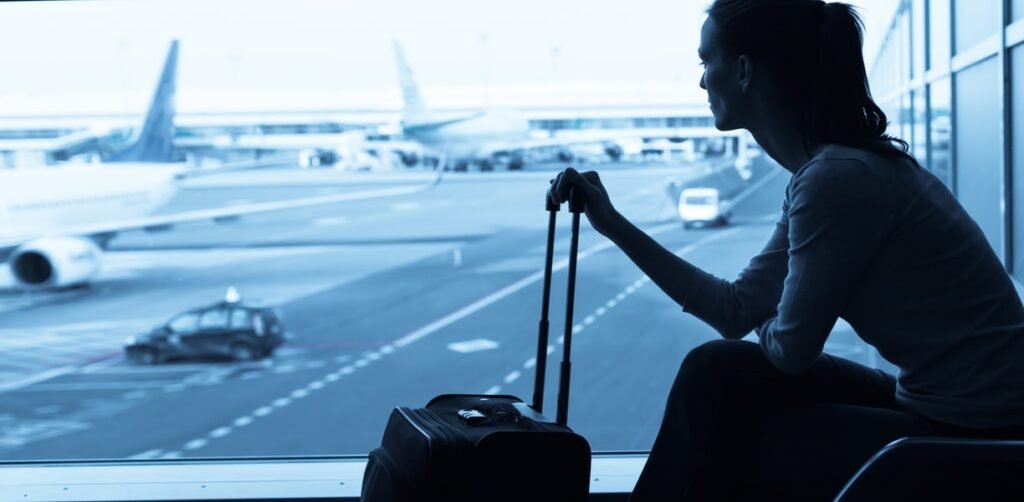
Flight disruptions are frustrating, but passenger protection in the UK is built on practical measures. How far you travel and how late you arrive usually determine what the airline must do. Understanding the structure behind delayed flight compensation helps families, tourists, and business travellers recognise when support should increase and what outcomes may realistically follow from a difficult journey.
Table of Contents
Why distance bands exist
UK passenger rights rules (UK261) divide flights into groups based on mileage. The intention is fairness. A short domestic hop and a long international service do not create the same level of inconvenience, so compensation and assistance thresholds differ. The commonly used categories are easy to follow.
Up to 932 miles is treated as short haul.
Between 932 and 2,175 miles falls into the medium range.
Above 2,175 miles is considered long haul.
These divisions guide how airlines, courts, and regulators review cases.
How time transforms the situation
Length of delay is just as important as distance. Early in the disruption, airlines focus mainly on information and revised departure forecasts. Once specific waiting periods linked to delay length and distance pass, the duty of care begins. That means refreshments, communication options, and possibly accommodation if travel moves to the following day. Importantly, this support must be offered even while the cause of the delay is still being analysed.
Typical compensation levels in the UK
When eligibility is confirmed and responsibility rests with the carrier, fixed sums are linked to the mileage band. These amounts are standard references in passenger rights discussions.
Up to 932 miles: £220
Between 932 and 2,175 miles: £350
Over 2,175 miles: £520
There can be a reduction when rerouting allows arrival close to the original schedule, as set out under UK261.
Why arrival time carries more weight
Passengers naturally watch departure boards, but legal review usually centres on the moment of arrival. A flight leaving late can sometimes make up minutes in the air. In other cases, congestion after landing extends the delay further.
Because of this, preliminary announcements rarely provide the final answer. Verified arrival data, recorded when at least one aircraft door opens, tends to be decisive.
Making sense of complicated journeys
Travel is not always direct. Replacement aircraft, missed connections, or shared flight numbers between airlines can blur responsibility. Two passengers on similar routes may therefore receive different outcomes.
Simple preparation helps protect clarity later.
Keep booking confirmations.
Save boarding passes.
Retain written communication.
Note any explanations given at the airport.
These details make professional evaluation far easier.
How Skycop Will Help
Examining how mileage and elapsed time interact with regulation can take patience. Specialists like Skycop can review operational records, prepare structured claims, and correspond with airlines using established procedures. This approach allows passengers to avoid technical exchanges while still pursuing their rights.
Conclusion
UK passenger protection relies on measurable criteria rather than guesswork. Once travellers understand how distance bands and delay duration combine, airline obligations become more predictable. Careful documentation strengthens any discussion. When further guidance is required, Skycop can help organise communication and turn complex frameworks into clearer outcomes for future journeys.