

An HVAC system can still heat or cool a home while quietly working far harder than it should. The house reaches the thermostat setpoint, but the equipment runs longer, sounds louder, cycles more often, or consumes more energy than expected for the weather. Homeowners usually notice it as higher bills, rooms that feel stuffy despite constant operation, or a system that seems to “never stop” during normal conditions. Contractors focus on these cases because unnecessary workload accelerates wear on motors, compressors, and burners, and it can turn a manageable maintenance issue into a costly repair later. Identifying the cause requires more than guessing at a single part; it requires examining airflow, controls, duct conditions, building losses, and how the system is operated day to day.
Signs the System Is Overworking
- Runtime Patterns That Don’t Match the Weather
One of the first things contractors evaluate is runtime behavior compared to outdoor conditions. A system that runs nearly nonstop on a mild day is often operating under a hidden restriction or fighting a load that should not be there. Contractors ask when the system runs the most, whether it cycles frequently, and whether the home reaches the setpoint quickly and then drifts. They may compare indoor temperature stability to the thermostat schedule to see if setbacks are creating repeated “catch-up” events. They also look for overworking in the opposite direction: short cycling, where the system turns on and off rapidly, which can still feel like constant effort because the equipment is starting repeatedly. Short cycling can be caused by thermostat placement, oversized capacity, or control issues, and it increases wear because starts are hard on electrical components. By tracking these patterns, contractors narrow the problem toward airflow, control logic, or building load rather than assuming the equipment is simply old. When runtime patterns appear abnormal, they begin measuring the factors that determine how efficiently the system transfers heat.
- Airflow Restrictions That Force Longer Cycles
Restricted airflow is one of the most common reasons HVAC equipment works harder than necessary. When the blower cannot move enough air across the coil or heat exchanger, the system’s ability to deliver comfort drops even if the equipment is otherwise functional. Contractors check the filter condition, filter type, and whether the filter rack allows bypass or pinches the filter. They inspect return grilles for blockage by furniture or rugs and look for signs of high suction, such as whistling. They also evaluate the duct system for crushed flex duct, closed dampers, and register closures that raise static pressure. In many homes, previous “comfort fixes” like closing vents can reduce total airflow, forcing the equipment to run longer to achieve the same thermostat reading. If a service call is coordinated through our Boiling Springs office, the contractor may still follow the same airflow-first process because airflow affects every performance reading they take afterward. Once airflow is corrected, the system often cools or heats faster with less strain, and the next diagnostic steps become clearer.
- Duct Leakage and Poor Distribution Creating Invisible Load
Even with clean filters and open vents, a system can overwork if ductwork is leaking or poorly routed. Supply leaks dump conditioned air into attics, crawlspaces, or wall cavities, meaning the equipment must run longer to deliver the same comfort to living areas. Return leaks can pull hot, humid, or dusty air from unconditioned spaces, increasing the load the system must handle and making indoor humidity harder to control. Contractors inspect accessible duct connections, plenums, and boots for gaps, loose tape, or damaged insulation. They also account for temperature loss along long runs that pass through very hot or very cold spaces. Poor distribution can create the impression that the system is weak, causing homeowners to lower setpoints or run the fan continuously, which increases runtime and energy use. Contractors may measure temperature at several registers to see if certain branches deliver warmer supply air due to heat pickup in the duct. Sealing and insulating ducts can reduce wasted capacity and allow the system to reach comfort targets with fewer operating hours.
- Control Settings That Cause “Unnecessary Effort”
Sometimes the equipment works harder because the controls are telling it to. Contractors review thermostat programming, fan settings, and any smart features that influence runtime. Aggressive setbacks can lead to long recovery periods, while schedules that change too frequently can result in repeated ramp-ups. If a thermostat is placed in a location that heats up quickly—near a kitchen, a sunny window, or an electronics-heavy area—it can cause overcooling cycles that make the rest of the home feel uneven, prompting constant adjustments. Contractors also look for conflicts in multi-stage systems where staging is not set correctly, causing the system to jump to a higher stage when it could run steadily at a lower one. For heat pumps, they check when auxiliary heat engages, since frequent backup heat use can dramatically increase energy consumption and make the system seem like it’s always running. They may also evaluate whether the fan is set to run constantly, which can increase electrical use and, in some climates, affect the humidity feel. Correcting control logic often reduces run hours without changing any hardware.
- Heat Transfer Problems Inside the Equipment
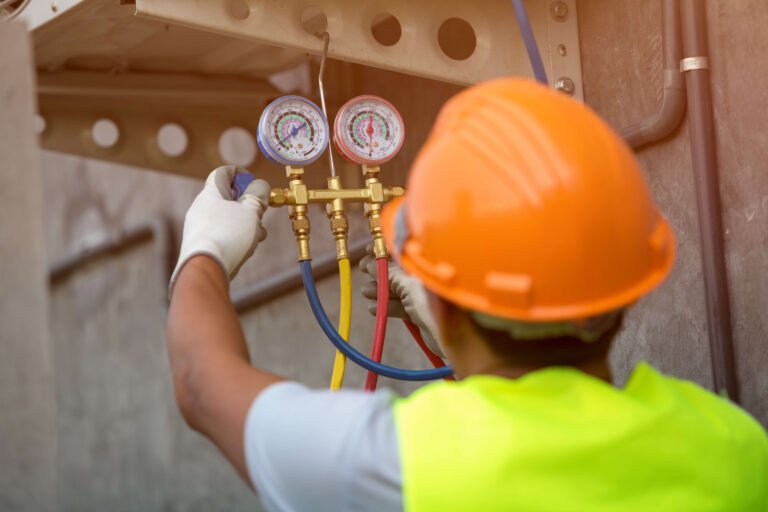
Once airflow and controls appear reasonable, contractors assess whether the equipment can transfer heat efficiently. In cooling mode, a dirty indoor coil or outdoor condenser coil can reduce capacity and force longer cycles. A clogged condensate drain can trigger safeties or reduce dehumidification effectiveness, making the home feel uncomfortable even when the temperature is near setpoint. Contractors may check the temperature split across the evaporator coil, inspect coil cleanliness, and verify the outdoor fan and compressor operation. In heating mode, they may evaluate temperature rise, burner operation, and whether the heat exchanger and blower are performing within expected ranges. Refrigerant issues can also contribute to overworking, but contractors typically confirm airflow and coil condition first because those factors can mimic refrigerant problems. They look for signs of icing, oil residue that could suggest leaks, and performance that drops under higher outdoor temperatures. Heat transfer problems don’t always manifest as a complete failure; they often show up as a system that “still works” but takes longer to do the same job. That extra runtime is a clear sign of unnecessary strain.
- Building Envelope Losses That Make the System Chase a Moving Target
An HVAC system can be forced to work harder when the building itself loses conditioned air too quickly. Contractors may ask about drafts, attic insulation levels, sun exposure, and whether certain rooms heat up or cool down faster than others. Air leaks around doors, windows, attic hatches, and recessed lights can allow hot or cold outdoor air to flow in, raising the load the system must offset. Poor insulation can lead to significant heat gain in summer afternoons and rapid heat loss in winter nights. Contractors sometimes find that the HVAC equipment is sized correctly and functioning normally, but the home has envelope issues that create constant demand. In the cooling season, unshaded west-facing windows and hot attics can raise indoor temperatures late in the day, keeping the system running long after it should have stabilized. During the heating season, leaks and thin insulation can lead to frequent calls for heat even when outdoor temperatures are moderate. Contractors may recommend air sealing, attic insulation improvements, improved window shading, or targeted fixes such as sealing duct penetrations into the attic. Reducing building losses often reduces runtime more effectively than replacing equipment.
- A Short Efficiency Check
This paragraph is intentionally shorter and focuses on what contractors look for quickly when a system seems to overwork. They compare the runtime to the outdoor temperature and ask whether the home reaches the setpoint or drifts. They check the filter condition and verify returns and supplies are unobstructed. They listen for whistling or rattling that suggests high static pressure. They inspect ductwork for obvious leaks and poor insulation in attics or crawlspaces. They review thermostat settings for aggressive setbacks, incorrect staging, or constant fan operation. Finally, they confirm coil cleanliness and basic temperature readings across the system. These steps often reveal whether the system is overworking because of airflow, controls, duct losses, or building load.
HVAC contractors identify when equipment is working harder than necessary by connecting symptoms—long runtimes, frequent cycling, noise, and rising energy use—to measurable causes. They start with runtime patterns and then check airflow restrictions, because filters, blocked returns, and closed vents can quietly reduce system capacity. They inspect duct leakage and distribution issues that waste conditioned air and pull in unconditioned air, forcing longer operation. They evaluate thermostat logic and staging, since control settings can create repeated recovery events or trigger higher capacity than needed. When those areas look normal, they check heat transfer conditions like coil cleanliness and operational readings that affect capacity. Finally, they consider building envelope losses that keep adding load no matter how well the equipment operates. By correcting the specific source of unnecessary workload, contractors help the system reach comfort faster, reduce wear, and lower operating costs without relying on constant thermostat adjustments.


