

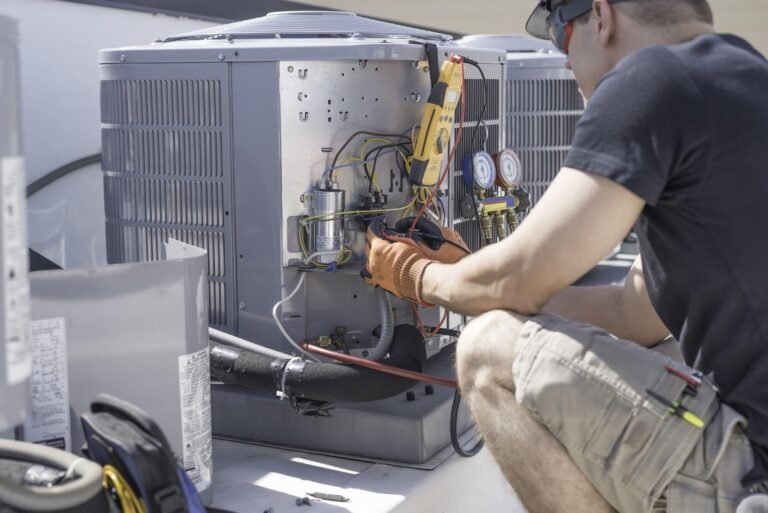
Heating and cooling systems are often treated as “replace it when it breaks” equipment, but most comfort problems and high energy costs come from decisions made years earlier. Long-term system planning is the process of treating HVAC as an evolving part of the building, one that should match changing family needs, seasonal patterns, and future upgrades. HVAC contractors support this planning by turning scattered service calls into a clear picture of how the system is performing over time. They track performance trends, identify weak points in airflow or controls, and recommend phased improvements that prevent sudden failures. Instead of waiting for emergencies, long-term planning helps homeowners and facility managers budget wisely, reduce disruptions, and enhance system reliability through informed, predictable choices.
Making HVAC decisions with a future view
- Building a Baseline Through Ongoing Performance Checks
Long-term planning begins with understanding what “normal” looks like for a particular system and building. HVAC contractors create that baseline by measuring airflow, temperature differentials, static pressure, and runtime patterns during maintenance visits. These measurements reveal whether the system is operating smoothly or compensating for restrictions that will shorten its life. A baseline also helps identify seasonal variations that might otherwise seem random, such as longer runtimes in certain rooms or shifting humidity levels. Over time, contractors can compare new readings to older ones to spot drift, like slowly rising static pressure or declining output. In service areas such as Easley, SC, where humidity and summer load can stress systems for long stretches, baseline tracking is particularly valuable because it highlights early wear patterns before they become costly. When contractors maintain a performance baseline, homeowners gain clarity about what needs attention now and what can be planned for later.
- Predicting Wear and Timing Repairs Strategically
Most HVAC failures do not occur suddenly; they develop through wear in motors, capacitors, contactors, coils, and bearings. Contractors support long-term planning by recognizing these patterns and advising on timing that reduces risk. Instead of reacting to breakdowns during peak season, homeowners can schedule repairs during off-peak periods when scheduling is easier and downtime is less disruptive. Contractors also help prioritize repairs by explaining which issues create cascading damage if ignored. For example, a weak capacitor can lead to hard starts that strain a compressor, while dirty coils can raise operating pressure and increase wear. By addressing key wear points early, contractors prevent the chain reactions that turn minor repairs into major replacements. Strategic timing also allows homeowners to bundle tasks, such as coil cleaning with electrical inspections, thereby reducing the need for repeated service calls. This approach turns HVAC care into planned upkeep rather than a surprise expense.
- Planning for Home Changes and Future Loads
Buildings change, and HVAC systems need to keep up without being forced into constant strain. Contractors help homeowners plan for future loads by asking questions about renovations, additions, attic conversions, or changes in occupancy that will affect heating and cooling demand. Even lifestyle shifts, such as working from home more often, can change runtime patterns and comfort expectations. Long-term planning includes assessing duct capacity, return pathways, and zoning potential to ensure the system can adapt without premature replacement. Contractors may recommend incremental upgrades, such as adding return air in a problem area, improving insulation in high-loss areas, or upgrading controls to match new usage patterns. The goal is to ensure the HVAC system remains aligned with the building’s real needs rather than running harder each year to keep up. When future changes are considered early, homeowners avoid rushed decisions and improve long-term comfort and stability.
- Budgeting and Replacement Planning Without Pressure
System replacement is inevitable at some point, but long-term planning makes it predictable rather than stressful. HVAC contractors support this by helping homeowners understand the typical aging curve of their system based on condition, maintenance history, and operating environment. They can explain what signs indicate a system is nearing the point where repairs become less sensible, such as repeated failures, declining efficiency, or costly component replacements. Contractors also help homeowners budget by offering phased plans, such as completing duct improvements or control upgrades now, then replacing equipment later when it aligns with financial timing. This reduces the pressure on emergency replacement decisions when options are limited, and costs can rise. Replacement planning also includes discussing equipment types that may better meet future needs, such as variable-speed systems or heat pumps, depending on the home’s layout and comfort goals. By treating replacement as a planned project, homeowners keep control over cost and timing.
- Improving Efficiency Through Step-by-Step Upgrades
Energy efficiency is rarely improved through one big change alone; it often comes from layered improvements that reduce waste. Contractors support long-term planning by identifying where efficiency is being lost and recommending upgrades that make sense in stages. This might include sealing duct leaks, upgrading filtration systems to reduce pressure strain, improving thermostat controls, or addressing insulation gaps that cause heating and cooling losses. Contractors also check refrigerant performance and airflow balance because an efficient system still wastes energy if it is not moving air properly. Step-by-step efficiency work is valuable because it spreads cost across time while delivering incremental improvements. Homeowners often notice these upgrades through more stable temperatures, quieter operation, and shorter runtimes. Over several seasons, small improvements add up to meaningful reductions in energy use and wear. Contractors help ensure each upgrade complements the others, creating a system that operates smoothly rather than a collection of disconnected fixes.
- Creating a Maintenance Roadmap That Stays Consistent
A long-term HVAC plan needs a realistic, consistent maintenance roadmap. Contractors help create this roadmap by scheduling seasonal inspections, outlining filter replacement frequency based on household conditions, and setting expectations for coil care and drain maintenance. They also recommend periodic performance testing to ensure the system remains within safe operating ranges as it ages. A roadmap reduces the risk of neglect by turning maintenance into a routine rather than a task people remember only after something goes wrong. Contractors may also document service history so future decisions are based on records rather than memory. This matters when selling a home or managing a building with multiple decision-makers, because a clear record supports smarter choices. With a maintenance roadmap, systems tend to last longer, breakdowns become less frequent, and comfort remains steady year after year.
Long-Term Planning Keeps Comfort Predictable
HVAC contractors support long-term system planning by turning service work into a structured approach that protects comfort and budget over time. They establish performance baselines, anticipate wear, plan around future home changes, and guide replacement timing so decisions are made calmly rather than under pressure. They also help homeowners improve efficiency through staged upgrades and maintain reliability through consistent maintenance roadmaps. The outcome is a system that feels predictable, with fewer sudden disruptions and fewer costly surprises. Long-term planning does not eliminate repairs or replacement, but it makes those moments manageable and well-timed. When HVAC is treated as a long-term asset, the home stays comfortable, and the system stays dependable through the years.


