

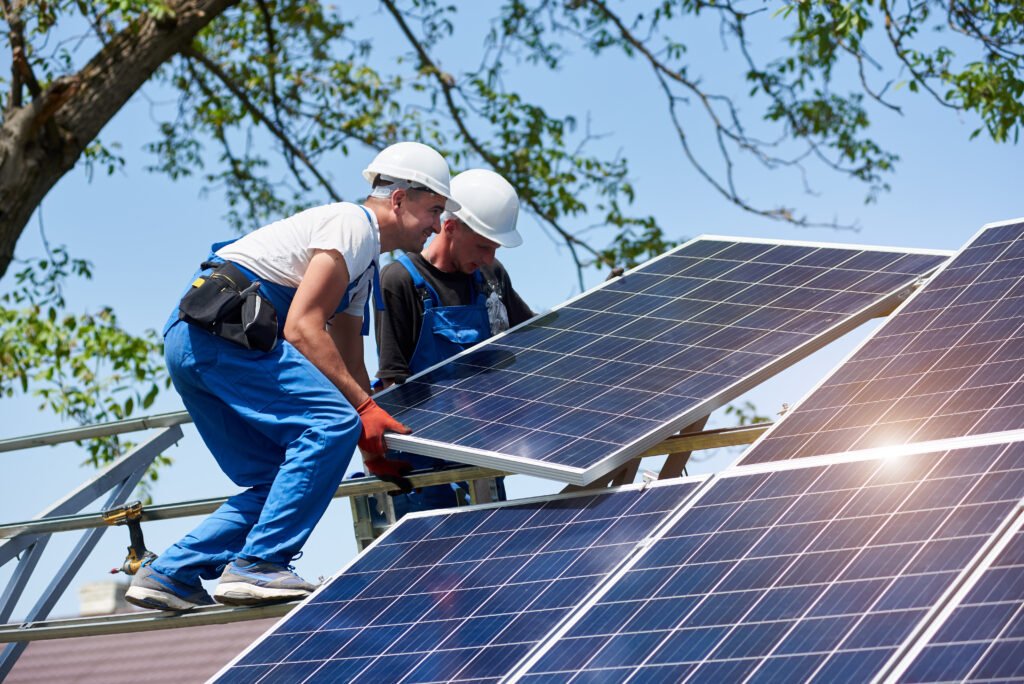
Installation day can feel exciting and slightly stressful at the same time. A solar system is a major upgrade, and most homeowners want the process to move quickly without surprises. Solar companies help make that happen by preparing the home, the paperwork, and the work plan in advance so the crew is not solving basic problems on the roof with tools in hand. When preparation is done properly, the install team arrives with a clear layout, correct materials, and an organized sequence for electrical work, roof work, and cleanup. Homeowners also feel calmer because they know what to expect, what access the team will need, and what changes might affect the household routine for a day or two. Preparation turns installation day into a planned event rather than a disruption.
Getting the home ready for solar work
- Confirming Site Details and Finalizing the Game Plan
Before installation day, solar companies usually conduct a final review of site conditions to ensure the plan matches reality. This can include verifying roof measurements, confirming shading conditions, checking attic access, and reviewing where conduit and equipment will be placed. Small details matter because they affect both appearance and efficiency, such as where the inverter will sit, where the electrical shutoff will be mounted, and how cables will be routed to keep everything neat and protected. Companies also check for roof obstacles that may not have been obvious during the first consultation, like hidden vent locations or roof repairs that need attention. Many homeowners appreciate this structured approach when working with AWS Solar because it reduces last-minute changes that can slow down the job. This step ends with a clear plan for where panels will go, what the crew will do first, and how the home will be accessed during the work.
- Explaining What Homeowners Need to Do the Day Before
A big part of preparation is helping homeowners understand what they can do the day before installation to make access easy and safe. Solar companies typically advise clearing the driveway so trucks can park close and materials can be moved efficiently. They may suggest moving outdoor furniture or grills away from work zones, especially if ladders will be set up near the patio or side yard. If attic access is needed, homeowners are often asked to clear a path to the attic hatch and remove stored items that block entry. Inside the home, installers may need access to the electrical panel, so companies usually recommend keeping that area open and easily accessible. Pets are another practical concern, so homeowners are often advised to secure dogs indoors or in a safe area away from gates and work zones. These small preparations reduce delays and help the crew focus on quality work rather than navigating avoidable obstacles.
- Coordinating Electrical Panel Work and Power Interruptions
Solar installations usually involve some electrical work that may require brief power interruptions. Solar companies prepare homeowners by explaining when power might be shut off and for how long. They also confirm whether the main electrical panel is in good condition and whether any upgrades are needed before solar can be connected. If a panel upgrade is required, companies often schedule it in advance so installation day stays focused on solar equipment rather than on unexpected electrical changes. They also explain the placement of new breakers, labeling, and safety disconnects so homeowners understand what will be added and why. This communication is important because it helps homeowners plan their day, especially if they work from home and rely on internet equipment. When electrical planning is handled early, the crew can complete wiring work more efficiently, inspections are smoother, and the homeowner feels informed rather than surprised by temporary power changes.
- Setting Expectations for Noise, Safety, and Daily Routine
Even a well-run installation creates noise and activity that homeowners should expect. Solar companies help by describing what the day will feel like, including foot traffic on the roof, drilling sounds, and repeated trips between the truck and the work area. They explain safety boundaries so homeowners know where not to walk, especially around ladders and staging areas. If children are in the home, companies often advise keeping them away from work zones to reduce risk. Homeowners are also prepared for the fact that workers may need to access the backyard or side gate multiple times, so gate access is discussed in advance. Some companies explain that there may be brief periods where someone needs to come inside to check the panel or confirm wiring routes. Setting expectations prevents frustration and helps homeowners feel like the process is controlled, not chaotic. When homeowners know what to expect, the day feels smoother, even if it is busy.
- Reviewing Permits, Inspections, and What Happens After
Preparation also includes explaining what installation day does and does not complete. Solar companies often remind homeowners that the system may be physically installed before it is fully operational, since inspections and utility approvals usually come next. They review the permit status, explain the inspection process, and clarify how long it typically takes for final approval. This helps homeowners avoid the common misunderstanding that power will start flowing the moment panels are mounted. Companies may also explain what the inspector will check, such as labeling, conduit routing, grounding, and panel placement. They prepare homeowners for the utility’s involvement, including the interconnection approval and any meter changes. Clear guidance about these steps reduces anxiety, because homeowners can see the full timeline and understand the difference between installation completion and permission to operate. When the process is explained clearly, homeowners feel confident rather than confused during the waiting period.
- Clean-Up, Walkthrough, and First-Time Monitoring Setup
A strong installation day ends with cleanup and a walkthrough that helps homeowners understand what was done. Solar companies often explain how the system components work together, where shutoffs are located, and what to do in the rare case of an emergency. They may also help set up monitoring apps or explain how monitoring access will be provided once the system is activated. This walkthrough can include basic expectations about production changes through seasons and what normal operation looks like. Homeowners may also receive guidance on roof care around the array, such as avoiding stepping on panels and watching for debris buildup near roof valleys. The goal of the walkthrough is to hand over a system that feels understandable and well-organized rather than mysterious. When homeowners leave installation day knowing what was installed, where the equipment is located, and what the next steps are, the entire experience feels more complete.
Preparation Makes Installation Feel Easy
Solar installation day goes smoothly when preparation is treated as part of the service rather than an afterthought. Solar companies help homeowners by confirming site details, explaining what to clear and secure, coordinating electrical work, and setting realistic expectations about noise and access. They also clarify the permit, inspection, and activation steps so homeowners know what happens after the crew leaves. Finally, they provide a cleanup and a walkthrough that makes the system feel easy to live with. When preparation is thorough, installation day becomes a well-managed project milestone, and the homeowner feels confident that the system was installed with care and clear communication.