


Table of Contents
Quick Answer
After a motor vehicle collision, your immediate focus should be on safety, documentation, and medical care. Even if injuries seem minor, some conditions develop over time. Record details from the scene – license plates, witness contacts, weather conditions – and report the incident to authorities. Avoid admitting fault or accepting quick settlement offers from insurers. Keep all medical records, repair estimates, and communication logs. Understanding your rights under provincial no-fault insurance systems is critical, as is recognizing when third-party liability may apply. Timing matters – delays can impact evidence integrity and legal deadlines.
Introduction
The day after the crash, the world doesn’t stop – but your life might feel like it has. The dinging of your phone, the stack of bills, the quiet ache in your shoulder you didn’t notice until now – these aren’t just inconveniences. They’re the quiet aftermath of something that changed everything in seconds. For many, the hardest part isn’t the physical recovery. It’s navigating the system meant to help you while feeling unheard, overwhelmed, and unsure where to turn.
That’s where clarity becomes essential. Knowing how to act after a motor vehicle accident isn’t about memorizing steps – it’s about understanding priorities. Who to call, what to document, when to seek advice. Too often, people try to handle it alone, trusting insurance adjusters who work for the company, not for them. But there’s a difference between guidance and advocacy. And sometimes, that difference is the key to rebuilding not just your vehicle, but your peace of mind.
If you’re trying to figure out how to get compensation after a car crash, you’re not alone. Many Canadians don’t realize that compensation isn’t automatic – it’s the result of careful steps, timely action, and sometimes, professional support. That’s where you learn how a car accident lawyer can help you make a tangible difference, not by promising outcomes, but by ensuring your voice is heard in a system designed to move quickly past you.
What to Do After a Motor Vehicle Accident
There’s no playbook for the moments after a crash – but there are proven steps that can protect your health, your rights, and your future. Skipping even one can limit your options later. Here’s what matters most, in order of priority.
Immediate Actions at the Scene
- Ensure safety first. Move to a safe location if possible, turn on hazard lights, and avoid standing in traffic.
- Call 911. Even for minor collisions, a police report creates an official record – critical for insurance and legal purposes.
- Exchange information. Get names, contact details, insurance info, and license plate numbers from all drivers involved. Don’t discuss fault.
- Document everything. Take photos of vehicle damage, road conditions, skid marks, traffic signs, and any visible injuries. Record the time, weather, and lighting.
- Speak to witnesses. Ask for their names and phone numbers. Their statements can be invaluable later.
Medical Attention Is Non-Negotiable
Adrenaline can mask pain. Whiplash, internal bleeding, or concussions may not show symptoms for hours – or days.
- Visit an emergency room or urgent care clinic within 24 hours, even if you feel “fine.”
- Keep all medical records, prescriptions, and appointment notes. These are not just for healing – they’re part of your case file.
- Avoid downplaying symptoms to insurers. Consistency in reporting matters.
Notify Your Insurance – But Carefully
You’re required to report the accident to your own insurer under provincial no-fault systems. But:
- Stick to facts: “I was involved in a collision on [date] at [location].”
- Do not speculate: “I think they ran the light.”
- Do not sign anything without review. Adjusters may ask for recorded statements – these are not mandatory and can be used against you.
| Step | Why it Matters | Common Mistake |
| File police report | Creates official record | Assuming a minor fender-bender doesn’t need one |
| Seek medical care | Links injury to incident | Waiting days because “it’ll pass” |
| Document scene | Preserves evidence | Relying only on memory or vague descriptions |
| Avoid recorded statements | Prevents misinterpretation | Thinking “I have nothing to hide” means I can talk freely |
When to Consider Legal Support
You don’t need a lawyer for every claim – but you should consider one if:
- You’re dealing with denied coverage or lowball offers
- Injuries are ongoing or require long-term care
- The other party is uninsured or underinsured
- There’s dispute over who was at fault
This is where motor vehicle accident legal help becomes more than an option – it becomes a strategic step toward fairness.
How to Get Compensation After a Car Crash
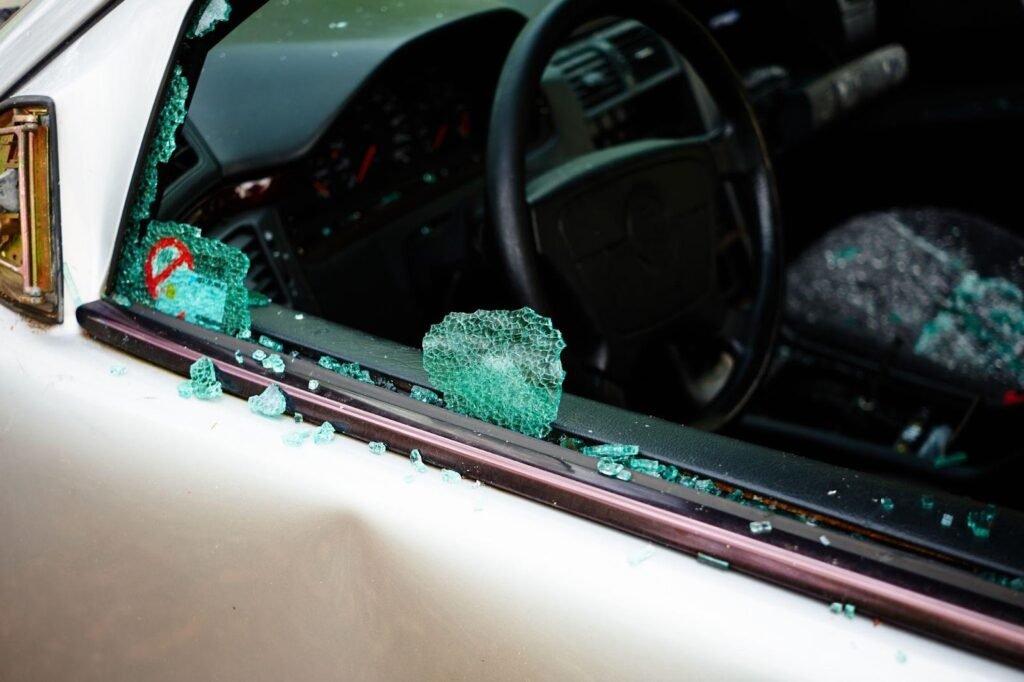
Compensation after a crash isn’t handed out – it’s built, and usually, with the help of a personal injury lawyer for car accidents. It’s the result of documented injuries, clear liability, and timely action. In Canada, the path to recovery is shaped by two systems: no-fault accident benefits and third-party liability claims. Knowing how they work – and how they interact – is key.
What You’re Entitled To (Without Proving Fault)
Under provincial no-fault insurance (like Alberta’s Autoplan), you can access benefits regardless of who caused the crash:
- Medical and rehabilitation expenses (physiotherapy, chiropractic care, counselling)
- Income replacement if you’re unable to work
- Attendant care for daily tasks you can no longer manage
- Death and funeral benefits in tragic cases
These are designed to support recovery quickly – but they often have caps. If your losses exceed these limits, or if another driver’s negligence caused serious harm, you may be eligible for additional compensation through a third-party claim.
When You Can Pursue Extra Compensation
You can seek damages beyond no-fault benefits if the accident was caused by someone else’s negligence. This includes:
- Pain and suffering
- Loss of future earning capacity
- Home modifications due to permanent disability
- Out-of-pocket expenses not covered by insurance
| Type of Loss | Covered Under No-Fault? | Eligible for Third-Party Claim? |
| Medical bills up to $50,000 | Yes | Yes, if limits exceeded |
| Lost wages (short-term) | Yes | Yes |
| Permanent disability | Partially | Yes, full value claimable |
| Emotional trauma | Limited | Yes, if documented by a professional |
| Vehicle damage | Yes (through property damage claim) | No – handled separately |
Why Timing Is Everything
There’s a two-year limitation period in most provinces to file a lawsuit against the at-fault party. But waiting isn’t strategic – it’s risky. Evidence fades. Witnesses forget. Insurance companies close files. The longer you wait, the harder it becomes to prove your case.
This is where “how Edwards Injury Law helps after a car accident” becomes more than a phrase – it becomes a practical reality for those who need structure in chaos. Not because they’re forced to, but because they choose to act with clarity.
Final Thoughts – Taking the Right Step After a Crash
A car accident doesn’t just disrupt your day – it can shift the direction of your life. In the weeks that follow, it’s easy to feel pulled in too many directions: doctors’ appointments, insurance calls, time off work, and the quiet weight of uncertainty. But you don’t have to carry it all alone.
The choices you make now don’t need to be perfect – just thoughtful. Prioritize your health. Document what matters. Understand your rights under Canada’s injury compensation system. And if things feel unclear or overwhelming, know that support exists – not to pressure you, but to clarify your path forward.
You’ve already taken a meaningful step by seeking information. Whether or not you choose legal help, doing so with intention makes all the difference.
Recovery isn’t measured in courtrooms or settlements alone. It’s found in regaining control, one decision at a time.