

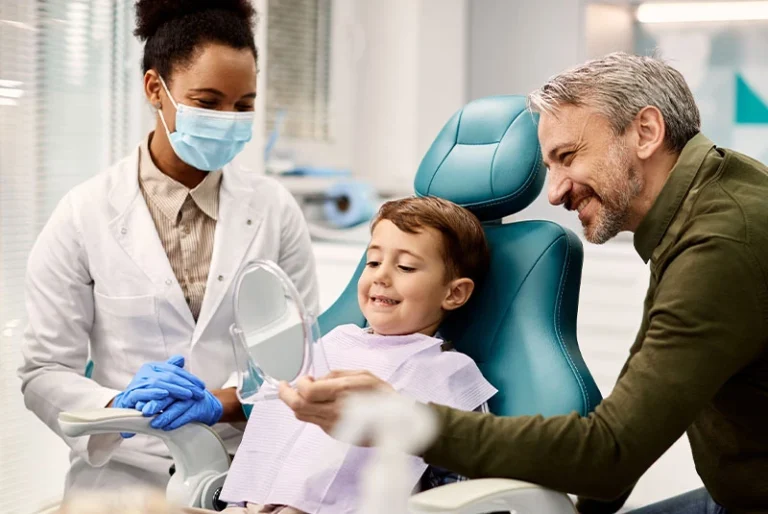
Teen years can feel rough on your smile. Braces, sports injuries, late-night snacks, and stress all leave marks. You may shrug and think, “It’s just teeth.” Yet your mouth shapes how you speak, laugh, and meet the world. Family dentistry gives you a steady place to ask questions, push back, and learn what truly works for your body. A Marrieta dentist who treats children and adults together sees how habits grow over time. That dentist can show you what happens if you ignore small problems, and what changes when you take charge. You start to see dental visits less like punishment and more like training. You get clear steps, honest feedback, and room to decide. Over time, you build skills, not fear. You walk out knowing the smile in the mirror is your work, your choice, and your power.
Table of Contents
Why teen ownership of oral health matters
You carry your teeth for life. Parents can remind and nag. Coaches can warn. Yet you are the one who lives with pain, cost, and lost time when problems grow. Early cavities, gum swelling, and cracked teeth can affect how you eat, sleep, speak, and feel about your face.
The Centers for Disease Control and Prevention reports that tooth decay is one of the most common chronic conditions for teens. You can see data on teen oral health on the CDC Oral Health Fast Facts page. These problems are common. They are also preventable when you take the lead.
Family dentistry supports that shift. You move from “My parents made the appointment” to “I know what I want for my smile.”
How family dentists build trust with teens
Trust grows from clear talk, steady routines, and real choice. A family dentist office often sees you as a child, then as a teen, and sometimes as a young adult. That long view helps you feel known and safe.
Here is how that trust usually forms.
- You see the same team at each visit. Faces become familiar. Anxiety drops.
- You hear the same simple steps every time. Brush. Floss. Protect. You know what to expect.
- You get time to speak alone with the dentist. You can ask about breath, braces, sports, or looks without parents in the room if you want.
Trust leads to honesty. You are more likely to say, “I do not floss” or “Energy drinks are my thing.” That truth gives the dentist a chance to help you plan, not judge.
From being told what to do to making your own choices
As a child, adults decide. They schedule visits. They sign forms. They set rules. As a teen, you need a new role. Family dentistry can make that shift clear and firm.
At visits, the dentist can speak to you first. A strong pattern might look like this.
- You explain your habits in your own words.
- The dentist shares what they see and what it means for you.
- Together, you pick two or three changes that feel realistic.
Parents still support. Yet you set the goals. Maybe you choose to cut sports drinks to once a week. Maybe you choose to wear a mouthguard every game. Maybe you choose a short nightly routine you can keep even when tired.
Simple data that shows why your choices count
Research shows that brushing twice a day, using fluoride, and seeing a dentist on a regular schedule lower decay and tooth loss. You can compare two common patterns for teens.
| Habit pattern | Typical daily choices | Short term effect | Long term risk |
|---|---|---|---|
| Low control | Brush once or less. Rare floss. Sugary drinks. Skip checkups. | Bad breath. Stains. Tender gums. | Higher chance of cavities, root canals, and tooth loss. |
| High ownership | Brush twice. Floss most days. Water more than soda. Regular visits. | Fresher breath. Cleaner feel. Less soreness. | Lower chance of decay, gum disease, and costly treatment. |
You cannot control every factor. Genetics and past damage still matter. Yet your daily choices change the odds in your favor in a real way.
Using family history as a warning and a guide
One strength of family dentistry is history. Your dentist knows your parents’ and siblings’ dental stories. That can sound scary. In truth, it gives you useful warnings and examples.
You might hear things like these.
- Your parent had gum problems at a young age. So the dentist checks your gums more often.
- Your sibling had many cavities between teeth. So the dentist stresses flossing for you.
- Your family tends to grind at night. So you get checked for jaw tension and wear.
You see what happens when habits slip. You also see what happens when someone changes course. That contrast can light a fire. It can move you from “I will be fine” to “I want a different path.”
Sports, braces, and other teen pressures
Many teens juggle sports, band, work, and social life. Many also live with braces or clear aligners. Each of these adds risk and stress. A family dentist can help you balance them instead of feeling crushed by them.
For example, you can work with your dentist on three common trouble spots.
- Sports injuries. You can get a custom mouthguard that fits your bite. You can also learn how to handle a knocked out tooth on the field.
- Braces care. You can practice cleaning around wires. You can learn which snacks break brackets and which ones are safer.
- Dry mouth and stress. You can talk about stress, meds, and sleep. You can learn simple ways to protect teeth when your mouth feels dry.
This kind of planning turns you into a problem solver. You are not a passive patient. You are an active partner.
Using science and trusted sources to guide your choices
Family dentists often share short handouts or links that you can read on your own. These resources let you check facts without pressure. For example, the National Institute of Dental and Craniofacial Research has teen friendly information on cavities, braces, and gum health. You can explore that on the NIDCR Oral Health Information page.
When you see that advice from your dentist matches what national experts say, you gain confidence. You know you are not just following orders. You are acting on solid science.
Three steps you can take before your next visit
You do not need a full life overhaul. You can start small and steady. Consider these three steps.
- Pick one drink change. Replace one sugary drink each day with water or milk.
- Set a two minute brush timer. Use your phone. Stick with it for two weeks.
- Prepare one question for your dentist. Write it in your notes app so you do not forget.
These actions are simple. They also send a clear message. You are in charge of your mouth.
Owning your smile for the long run
Your smile follows you into jobs, college, and every new chapter. Cavities and lost teeth do not care how busy or successful you become. When you build strong habits now, you give your future self a gift. Less pain. Lower costs. More comfort when you speak and laugh.
Family dentistry creates a safe space to grow into that power. You get support from your parents and your dentist. Yet you hold the steering wheel. Each choice you make today shapes the teeth you use tomorrow. That ownership is not a burden. It is a form of control in a world that often feels chaotic. Use it.


