

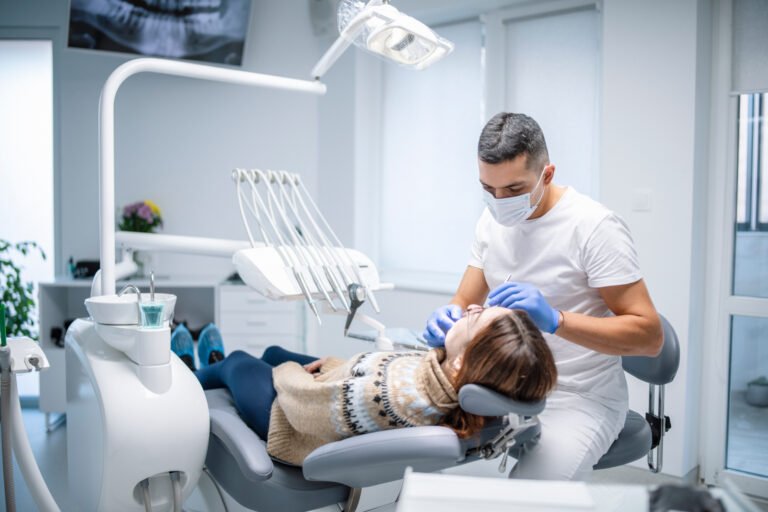
Your mouth changes as you age. Your care should change with it. A family dentist in Northport, NY understands that a toddler, a teen, an adult, and a grandparent bring different needs, fears, and health risks to the same chair. One plan does not fit every age. Instead, your dentist adjusts each step. They change how they talk to you. They change tools, treatment plans, and follow-up. They also watch for silent warning signs that match your stage of life. This blog explains how your dentist thinks through care for children, adults, and older adults. You will see what to expect at each age, why certain treatments appear at certain times, and how small choices now protect you later. You can then walk into your next visit feeling prepared, calm, and ready to ask for the care that fits your age.
Table of Contents
Why age shapes your dental care
Your teeth and gums do not stay the same. They grow, wear down, and react to illness and medicine. You also face different pressures at each stage. School, work, sports, stress, and caregiving all shape your habits. Your dentist looks at three things.
- Your stage of growth or aging
- Your risk for decay, gum disease, and injury
- Your ability to clean your teeth at home
Then the dentist adjusts how often you visit, what treatments you receive, and how they speak with you or your child. This keeps care safe, simple, and focused.
How care changes with age
The table below shows how family dentists often adapt care. It is a guide, not a rule. Your dentist still looks at your own health and history.
| Age group | Main goals | Common treatments | Visit focus |
|---|---|---|---|
| Toddlers and young children(1 to 6 years) | Build trustPrevent early decayGuide new teeth | Gentle cleaningsFluoride varnishSimple X‑rays if needed | Short visitsCalm languageParent coaching |
| School‑age children(7 to 12 years) | Protect permanent teethSupport daily brushingWatch jaw growth | CleaningsSealants on molarsFluoride treatments | Hands‑on brushing tipsSports guard talkDiet review |
| Teens(13 to 19 years) | Protect teeth during rapid changeSupport independencePlan for straight teeth | CleaningsOrthodontic checksDecay and gum checks | Private talks on habitsInjury and tobacco riskWisdom tooth planning |
| Adults(20 to 64 years) | Prevent gum diseaseRepair wear and damageSupport whole body health | CleaningsFillings and crownsNight guards | Stress, diet, and meds reviewScreening for oral cancerHome care upgrades |
| Older adults(65 years and older) | Preserve comfort and chewingManage dry mouthSupport medical needs | Dentures or implantsMore frequent cleaningsAdjustments and repairs | Fall and fracture riskMedication reviewPain and sore spot checks |
Care for babies and young children
The first tooth and the first birthday mark the time for a first visit. The goal is not a long cleaning. The goal is comfort and trust.
You can expect the dentist to:
- Check how teeth line up and how the jaw grows
- Look for early decay and weak enamel
- Review thumb sucking and bottle or sippy cup use
- Show you how to clean tiny teeth
Fluoride varnish and simple cleanings protect baby teeth. These early steps lower the risk of pain and infection that can affect speech and sleep. The American Academy of Pediatric Dentistry and the Centers for Disease Control and Prevention both support early preventive visits.
Care for school‑age children
When permanent molars appear, your dentist shifts focus. These teeth carry chewing forces for life. They need strong protection.
Your dentist may:
- Place sealants in the grooves of back teeth
- Use fluoride treatments during cleanings
- Talk about sports mouthguards
- Check for early crowding or bite problems
At this age, your child can brush and floss alone. You still play a role. You set routines and watch for missed spots or bleeding gums.
Care for teens
Teens often face braces, busy schedules, and sleep loss. They may also test risky habits. Your dentist responds in three ways.
- Respects privacy and speaks with your teen one-on-one
- Shows the link between habits like vaping and gum disease
- Watches wisdom teeth and jaw growth
Cleanings often take more time because of braces or aligners. Your dentist may use special tools and show new brushing paths around wires and attachments. This limits permanent white spots and decay.
Care for adults
Adult mouths show wear. You may grind your teeth, skip cleanings due to work, or live with long-term illness. Your dentist looks beyond single teeth.
During adult visits, you can expect:
- Screening for gum disease and bone loss
- Checks for oral cancer, especially if you smoke or drink
- Talk about jaw pain, headaches, or clenching
- Review of medicines that cause dry mouth
Research links gum disease to heart disease, diabetes, and pregnancy problems. When your dentist knows your health history, they can adjust X‑ray timing, cleaning type, and treatment plans.
Care for older adults
Later in life, you may face tooth loss, arthritis, memory loss, or many medicines. Each one can change your mouth.
Your dentist may:
- Increase cleaning visits to control gum disease
- Adjust dentures or partials to prevent sores
- Suggest saliva substitutes or fluoride for dry mouth
- Work with your doctor if you take blood thinners or bone drugs
If you care for an older family member, ask the dentist for simple routines and tools. Large handled brushes, floss holders, and written step-by-step plans can ease daily care.
How to help your dentist tailor your care
You can help your dentist match care to your age and life by sharing three things at every visit.
- New medicines or health diagnoses
- Changes in pain, chewing, or sleep
- Any fear or past bad dental experiences
This honest talk gives your dentist a clear picture. Then they can adjust visit length, numbing methods, and long-term plans. You receive care that fits your stage of life and your daily reality.


