

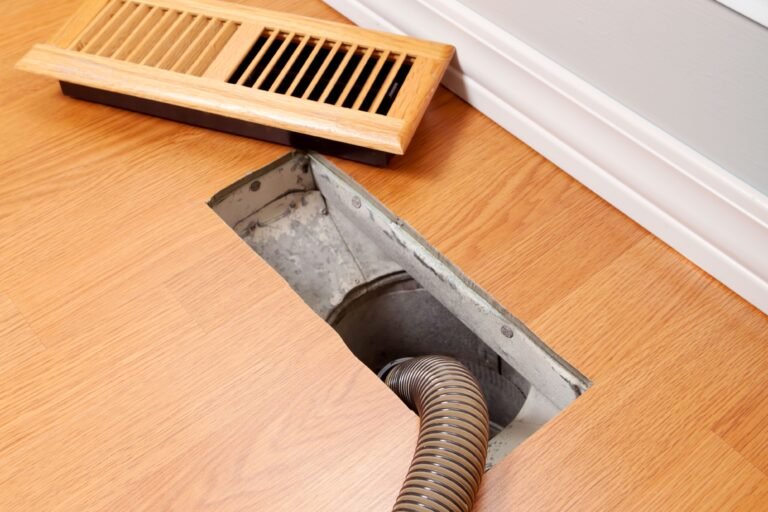
Houston’s warm, humid climate pushes air conditioners to work hard almost all year. That constant use traps dust, pollen, and moisture inside air ducts, which can affect air quality and system efficiency. Most homes in Houston need air duct cleaning every 3 to 5 years, though homes with pets, smokers, or allergy concerns may require it more often.
Humidity encourages mold and mildew to form in ducts faster than in drier regions. As a result, routine cleaning becomes part of keeping the entire HVAC system in good shape. The right cleaning schedule protects both indoor comfort and respiratory health.
This post explains how Houston’s weather affects air ducts, how to recognize signs of buildup, and what cleaning frequency works best for long-lasting performance. Each section helps homeowners make clear, practical decisions about how to keep their air clean and their systems running smoothly.
Table of Contents
How Houston’s Humid Climate Influences Air Duct Cleaning Frequency
High humidity levels in Houston create a perfect setting for mold, mildew, and dust buildup inside air ducts. Moist air and heavy use of air conditioning combine to trap contaminants that damage air quality and strain HVAC systems. Regular care and reliable air duct cleaning services help maintain cleaner ducts and a more efficient system.
Risks of Mold and Mildew in Air Ducts
Houston’s climate keeps the air damp for much of the year, which allows mold and mildew to develop inside ventilation systems. Moisture from high humidity or condensation on cooling coils can enter ducts and settle on dust particles. Once this happens, mold can grow quickly and spread spores through the air each time the system turns on.
Mold inside air ducts can cause musty odors and worsen allergies or asthma. It may also lower the efficiency of the HVAC system by coating metal surfaces and blocking airflow. Technicians from local cleaning services often use specialized vacuums and safe antimicrobial solutions to remove growth without damaging duct materials.
To reduce the chance of mold, homeowners can keep indoor humidity below 50%. Using dehumidifiers and scheduling regular inspections after heavy rain or summer use can help prevent major buildup before it affects the entire system.
Impact of Dust, Pollen, and Allergens on Indoor Air Quality
Dust and pollen enter Houston homes through open doors, windows, and vents throughout the long warm season. Once inside, these particles settle inside ducts where they mix with pet dander and bacteria. Because the city’s air conditioners run much of the year, these allergens circulate repeatedly through living spaces.
High humidity makes some allergens stick to duct walls, which makes them hard to remove without a professional cleaning. People with respiratory conditions or allergies can notice more sneezing, coughing, or irritation due to this buildup. Regular duct cleaning removes the fine dust layers that standard filters often miss.
It also helps maintain even airflow across rooms, reducing the amount of debris the system pushes out each time it runs. A cleaner duct network can reduce the need for frequent filter changes and limit dust from collecting on furniture and floors.
Signs You Need Air Duct Cleaning in Houston
Some signs suggest the ducts need attention. A few include:
| Visible Clue | What It Means |
| Dark mold near vents | Moisture trapped inside ducts |
| Weak airflow | Dust or debris blocking ducts |
| Musty odor | Possible mildew or mold growth |
| Dust around registers | Accumulation inside vent lines |
A spike in energy bills or uneven cooling can also show that the system works harder than it should. In Houston’s sticky climate, even small traces of condensation inside ducts can increase mold risk.
If the home recently had remodeling work, water damage, or a new pet, the ducts may collect more debris than normal. Professional inspection every two to three years helps maintain clean air movement and prevents larger problems later.
Importance of Regular HVAC Maintenance
Humidity and constant air conditioner use make regular system maintenance important in Houston. Dust buildup inside ductwork and on coils forces the system to work for longer cycles and use more electricity. Scheduling routine care keeps the system moving air smoothly and reduces wear on fans and filters.
Professional cleaning teams often check both ducts and ventilation components to remove hidden dust pockets. They may also use eco-friendly products to sanitize airways and prevent future odor issues. Consistent servicing extends the lifespan of the HVAC unit and helps detect moisture leaks that cause mold or rust.
A routine cleaning plan every few years can balance performance, cost, and comfort for both residential and commercial buildings. Regular follow-up care provides cleaner air and fewer breakdowns during Houston’s long, humid season.
Recommended Cleaning Schedules and Best Practices for Houston Homes
Regular air duct cleaning improves indoor air quality, supports efficient HVAC system performance, and reduces the buildup of dust, mold, and allergens. A consistent schedule also helps homeowners avoid costly repairs and unpleasant musty smells often caused by humidity and trapped debris.
Optimal Timeline for Professional Air Duct Cleaning
In Houston’s humid and warm climate, professional air duct cleaning is generally advised every 3 to 5 years. Homes with pets, smokers, or residents who have asthma or allergies may need more frequent service, closer to every 2 to 3 years. Moisture and pollen levels in Houston often lead to faster accumulation of buildup inside ducts.
Households that run air conditioning most of the year circulate large volumes of air through their air ducts, carrying dust and microscopic particles. Over time, this buildup restricts airflow and contaminates the air supply. Regular inspections between cleanings allow early detection of debris or mold growth before it spreads.
Health Benefits of Clean Air Ducts
Clean air ducts support healthier indoor breathing conditions. Removing trapped dust, mold spores, and allergens reduces respiratory irritation for people with asthma or seasonal allergies. Residents often notice fewer headaches, sneezing episodes, and less throat dryness after professional cleaning.
In humid Houston homes, moisture trapped in ducts can lead to mold growth that spreads spores throughout living areas. Regular cleaning stops mold from multiplying and prevents musty odors. Families with children or elderly members benefit most because cleaner ducts mean less exposure to bacteria and airborne pollutants.
Maintaining clean ducts also improves comfort by keeping air feeling fresh and balanced instead of stale. For best results, professionals often recommend pairing cleaning with routine filter replacement every one to three months.
Preventing Airflow and System Efficiency Issues
Air ducts filled with dust or debris force the HVAC system to work harder to maintain temperature levels. Reduced airflow wastes energy and shortens system life. Regular cleaning helps maintain even air circulation, which lowers monthly energy costs and keeps rooms evenly cooled or heated.
Ignoring buildup may also cause uneven air delivery, making some rooms stuffy while others stay cool. This airflow imbalance signals that duct surfaces might be clogged or poorly sealed. Professional cleaning removes blockages and helps maintain consistent air movement.
Scheduling duct and vent checks before peak summer or winter seasons helps avoid strain on the system. In the long term, well-maintained air ducts protect equipment efficiency and promote a steady, clean air supply throughout the home.
Conclusion
Regular air duct cleaning supports cleaner air and better system efficiency in Houston’s humid climate. High moisture and constant AC use allow dust and mold to build up faster than in drier areas.
Most homes benefit from a cleaning every 3–5 years, though households with pets, smoking, or allergies may need it more often.
Key factors to track include:
| Condition | Suggested Cleaning Interval |
| Pets or smokers | Every 2–3 years |
| Allergies or asthma | Every 2–3 years |
| No pets or sensitivities | Every 3–5 years |
A simple inspection or professional HVAC evaluation helps decide if ducts need attention sooner. By staying aware of indoor air quality and visible dust or odor, residents can maintain a comfortable and healthy home environment.


