

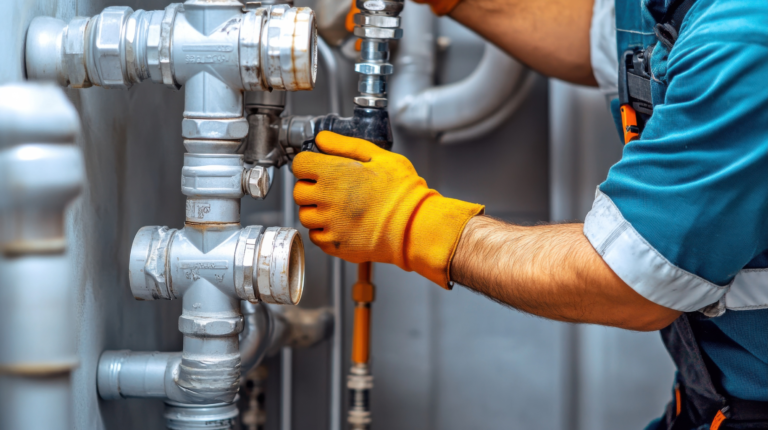
Plumbing problems rarely start as full-blown crises. In most cases, they begin as small issues that grow worse over time. In commercial properties, even a minor plumbing failure can disrupt work, frustrate customers, and force temporary closures. These shutdowns often lead to lost revenue and damaged trust.
Proactive commercial plumbing helps businesses avoid plumbing emergencies by focusing on steady care instead of rushed repairs.
Table of Contents
Catching Problems Early
Routine plumbing checks help spot issues before they spread. Signs like slow water flow, odd smells, or damp areas often point to deeper trouble. Clogged drains, for example, may seem minor at first but can quickly lead to backups and water damage.
Regular inspections allow plumbers to address problems while they’re still manageable. Clearing buildup, sealing leaks, or adjusting pressure early helps avoid sudden breakdowns. This early attention keeps operations running and lowers the risk of unexpected shutdowns.
Fewer Plumbing Emergencies
Plumbing emergencies often strike without warning. Burst pipes, overflowing toilets, or blocked drainage systems can make spaces unsafe or unusable. In many cases, businesses must stop operations while waiting for emergency service.
Proactive maintenance reduces how often these situations occur. Systems that receive regular care tend to fail less often. When emergencies happen less frequently, businesses stay open longer and avoid last-minute disruptions that affect staff and customers.
Maintenance That Fits Business Hours
Unplanned plumbing work often interrupts daily operations. Employees may need to stop working, and customers may need to leave. These disruptions can hurt productivity and reputation.
Scheduled maintenance helps prevent that. Plumbing work can happen during off-hours or slower periods. For businesses that want fewer interruptions and better control over repairs, working with reliable commercial plumbing services allows maintenance to be planned around operations instead of disrupting them. This approach keeps systems stable without interfering with business hours.
Protecting Health Standards
Working plumbing plays a major role in health and safety. Clean water, proper drainage, and functioning restrooms are essential in commercial settings. Plumbing failures can lead to unsanitary conditions and health risks.
Routine care helps keep systems safe and compliant. Backflow testing protects water supplies from contamination and reduces the risk of water pollution. Regular checks also help ensure drainage systems work properly. These steps support health standards and help businesses avoid shutdowns tied to violations.
Controlling Water Damage
Water damage spreads fast and causes serious disruption. A hidden leak or blocked pipe can affect floors, walls, and electrical systems. Repairs often take time and may require partial closures.
Proactive plumbing helps limit this damage. Early leak detection prevents water from spreading. Floor drainage inspections help ensure water flows where it should. Preventing damage at the source keeps businesses operational and avoids long repair periods.
Keeping Drainage Working Properly
Drainage problems are a common cause of plumbing failure. Blocked pipes can affect sinks, restrooms, and floor drainage systems. Even a single shower drain issue in a gym or hotel can create customer complaints and safety concerns.
Regular drain cleaning keeps water moving freely. Maintenance reduces buildup that leads to clogged drains and backups. Well-maintained drainage systems help prevent flooding and unpleasant odors. Reliable drainage supports daily operations without interruption.
Extending System Lifespan
Plumbing systems in commercial properties handle heavy use every day. Restrooms, kitchens, and shared facilities place constant demand on pipes and fixtures. Without care, this wear shortens the building’s plumbing life.
Routine maintenance helps protect systems throughout the building’s life cycle. Clean pipes reduce strain. Balanced pressure protects joints and valves. When systems last longer, businesses avoid large-scale replacements that could disrupt operations and budgets.
Managing Costs More Predictably
Emergency repairs often cost more than planned maintenance. Urgent labor, after-hours calls, and property damage add up quickly. These expenses can strain budgets, especially in commercial real estate settings.
Proactive plumbing helps control costs. Maintenance expenses stay predictable and easier to manage. Smaller repairs replace major fixes. Better cost control allows businesses to plan ahead instead of reacting under pressure.
Supporting Customer Experience
Customers notice plumbing problems right away. Broken restrooms, poor drainage, or visible leaks leave a negative impression. These issues can affect customer service and reduce repeat visits.
Reliable plumbing supports a clean and comfortable environment. Functional facilities show care and professionalism. When customers feel comfortable, they’re more likely to stay longer and return. Preventing visible plumbing issues protects both reputation and revenue.
Helping Property Managers Stay Ahead
Property managers often oversee multiple systems across large buildings. Plumbing failures can quickly become management challenges that affect tenants and operations.

Proactive plumbing supports better planning and communication. Regular reports and inspections help property managers understand system conditions. Clear maintenance schedules reduce surprises and improve coordination. This approach keeps buildings functional and tenants satisfied.
Meeting the Demands of Commercial Spaces
Commercial real estate faces heavier plumbing use than residential spaces. Offices, hotels, restaurants, and retail buildings rely on constant water access. Heavy demand increases the risk of failure.
Proactive care adjusts maintenance to match usage. High-traffic restrooms receive more frequent checks. Kitchens get routine drain cleaning. Matching care to demand helps plumbing systems handle daily use without breaking down.
Planning for Long-Term Stability
Plumbing care works best with a long-term plan. This includes inspection schedules, repair records, and future upgrades. Planning ahead helps avoid rushed decisions during crises.
Consistent maintenance reduces uncertainty. Problems feel manageable instead of overwhelming. Over time, proactive plumbing becomes part of responsible building management rather than a response to failure.
Conclusion
Proactive commercial plumbing plays a key role in preventing costly shutdowns. Early repairs reduce plumbing emergencies and protect daily operations. Planned maintenance supports health standards, limits damage, and controls costs. Reliable systems also improve customer service and support long-term property value. With steady care, commercial properties stay open, safe, and prepared for everyday demands.


