

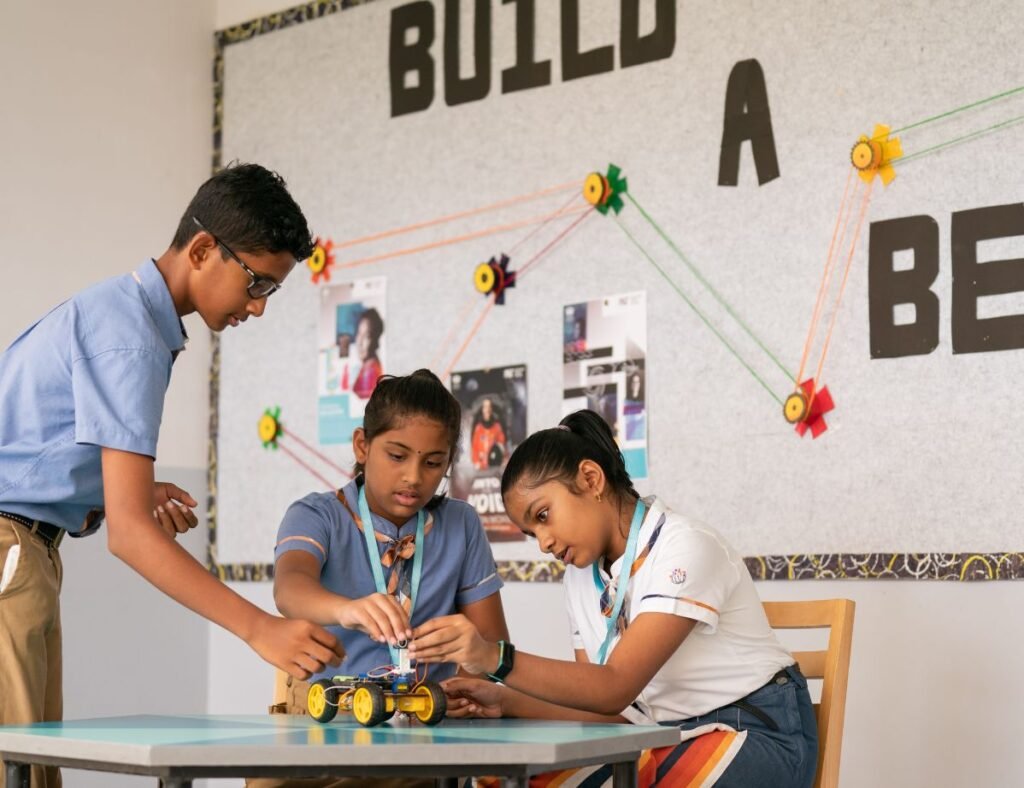
Innovation no longer comes from memorizing facts or following rigid instructions. It grows when learners are encouraged to experiment, collaborate, and apply ideas to real-world situations. This is where STEAM learning stands out. STEAM programs help kids learn skills that they can use outside of school and in their everyday lives by combining science, technology, engineering, the arts, and math.
Learning That Connects Theory With Real Life
One of the biggest strengths of a steam education program is its focus on practical application. Instead of learning concepts in isolation, students use them to solve meaningful problems. Whether it is designing a simple machine, creating digital art, or building a prototype, learners see how academic knowledge directly connects to real-world challenges. This hands-on approach sparks curiosity and motivates students to explore ideas independently, even outside structured learning environments.
Encouraging Creative Problem Solving
Innovation thrives when students feel free to think creatively. A well-designed steam program encourages experimentation, allowing students to test ideas, make mistakes, and improve their solutions. This process builds resilience and confidence, teaching learners that failure is part of innovation. By blending artistic creativity with technical thinking, STEAM programs nurture flexible minds that can approach problems from multiple perspectives.
Building Collaboration and Communication Skills
Real innovation rarely happens in isolation. STEAM learning emphasizes teamwork, helping students collaborate with peers who have different strengths and viewpoints. Through group projects and discussions, learners practice communication, leadership, and adaptability. These skills are important not only for school, but also for future jobs and getting involved in the community.
Inspiring Lifelong Curiosity in Children
A strong steam program for kids focuses on exploration rather than pressure. When children are introduced to STEAM concepts early in a fun and engaging way, they develop a natural interest in learning. This curiosity often continues at home, where kids ask questions, build projects, or explore technology on their own. As a result, learning becomes a continuous process rather than something limited to school hours.
Extending Learning Into Communities
STEAM programs often connect students with their local communities through workshops, exhibitions, and real-world challenges. Parents searching for a steam program near me are often looking for more than just academic support. They want opportunities that help children apply learning in social and community settings. These experiences show students how innovation can create positive change, from environmental solutions to creative technologies.
Preparing Students for Future Opportunities
In today’s rapidly evolving world, adaptability is just as important as knowledge. A comprehensive steam program florida prepares students for future careers by teaching them how to learn, unlearn, and relearn. The skills gained through STEAM education, such as critical thinking, creativity, and collaboration, are valuable in nearly every industry. More importantly, students learn how to innovate in uncertain situations, a skill that remains relevant throughout life.
Innovation That Lasts Beyond the Classroom
STEAM programs do more than improve academic performance. They shape how students think, create, and interact with the world around them. By encouraging curiosity, creativity, and real-world application, STEAM learning empowers students to carry innovation into their homes, communities, and future careers. This lasting impact is what makes STEAM education a powerful tool for preparing learners to thrive beyond the classroom.