

Start with your real skin story, not a trend
Most “perfect routines” fall apart in the same place: real life. The late night you crash without washing your face. The week your cheeks turn tight from office heating. The month your forehead decides to break out like it has a group chat. A K-beauty routine works best when it responds to your patterns, not someone else’s shelfie.
Before you add anything new, take a quick inventory. Do you get shiny by lunch, or do you feel dry right after cleansing? Are you dealing with acne, redness, or dark spots that linger after a breakout? Your answers matter more than your skin type label, because they determine which steps are worth your time and which are just noise.
One simple trick: think in “seasons.” If your skin is calm and balanced, you can run a lighter routine. If it’s irritated, dehydrated, or breaking out, you shift into a barrier-first season and scale back the extras until things feel steady again.
Table of Contents
The core routine: four steps that cover 90% of needs
1) Cleanse like you’re protecting your moisture, not scrubbing a pan
K-beauty cleansing is less about squeaky-clean and more about comfortable-clean. If you wear sunscreen or makeup, a two-step cleanse can help: an oil-based cleanser first, then a gentle water-based cleanser. If you don’t, a mild single cleanse at night is often enough, with a water rinse or very gentle cleanse in the morning if you wake up oily.
Pay attention to the “after.” If your skin feels tight or looks a little pink right after washing, that’s a clue your cleanser is too harsh or you’re cleansing too long. Your goal is skin that feels neutral, like it could happily accept the next step without begging for immediate moisturizer.
2) Hydrate in layers (and stop when your skin says “enough”)
Toners, mists, and essences can sound interchangeable, but the K-beauty idea is simple: give skin water first, then seal it in. A hydrating toner or essence is especially helpful when your face feels papery, makeup sits oddly, or fine lines look more visible than usual. Apply one layer, wait a few seconds, then decide if you need another.
Here’s the lifestyle-friendly version: keep your hydrating step by your sink and apply it while your skin is slightly damp. It’s a tiny habit shift that often makes products feel more effective without adding a single extra step.
3) Treat one concern at a time
Serums and ampoules are where routines can get chaotic. The quickest path to results is choosing one primary goal for the next 6 to 8 weeks, then matching your actives to it. For example: niacinamide for visible pores and oil balance, vitamin C for dullness and uneven tone, gentle exfoliants for texture and clogged pores, and peptides for a firmer, bouncier feel.
If you’re breakout-prone, resist the temptation to stack every acne ingredient at once. Often, calmer skin improves faster than “aggressively treated” skin, especially if your barrier is already stressed.
4) Moisturize and protect: the “do not skip” duo
Moisturizer is your routine’s bodyguard, keeping hydration in and irritants out. If you hate heavy textures, look for gel creams or emulsions. If you’re dry or sensitized, a richer cream at night can make mornings feel less tight and reactive.
And then there’s sunscreen. If you’re doing any brightening, exfoliating, or acne care, daily SPF is what keeps your progress from quietly undoing itself. The easiest sunscreen is the one you’ll wear consistently, so texture and finish matter as much as the SPF number.
Where the fun K-beauty steps fit (without turning into a 12-step marathon)
Masks, sleeping packs, eye patches, pimple patches, face powders, and targeted treatments are part of what makes K-beauty feel playful. The best way to use them is like a “capsule wardrobe,” not a cluttered closet. Keep a few reliable options and rotate based on what your skin is doing this week.
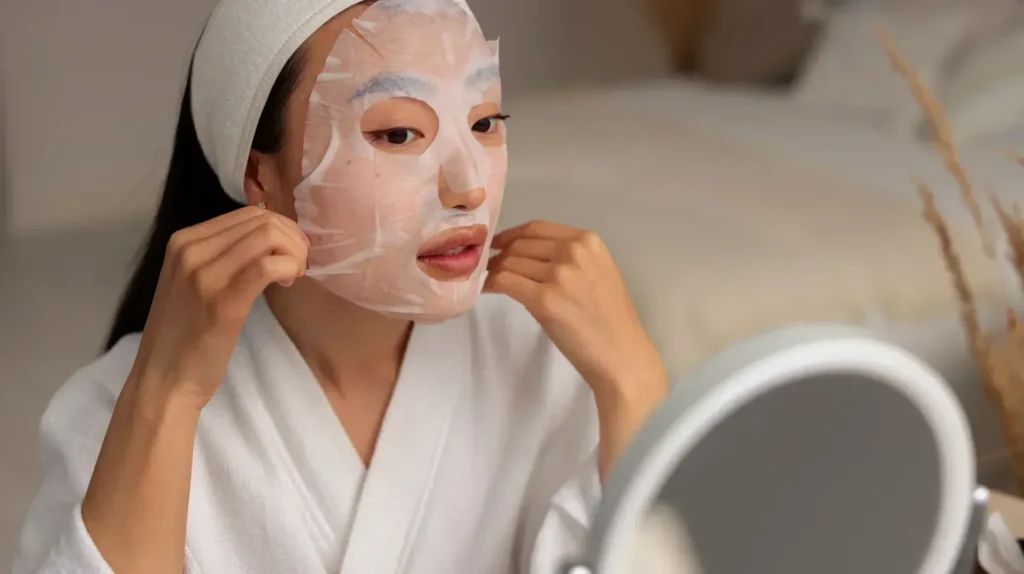
Sheet masks are ideal when you want quick hydration before an event, especially if your face looks a little flat or tired under makeup. Clay or wash-off masks can be helpful for congested areas, but don’t punish your whole face if only your T-zone is acting up. Spot-treating is underrated.
If you like to browse categories and compare textures, Little Wonderland can be a useful jumping-off point for understanding how K-beauty routines are typically organized, from cleansers and essences to sun protection and targeted care.
Match products to moments: three real-life routine templates
The “I have five minutes” routine
Night: gentle cleanse, one hydrating layer, moisturizer. Morning: rinse (or mild cleanse), moisturizer or light hydrating layer, sunscreen. This is the routine that survives busy weeks and still keeps your skin feeling stable.
The “my skin is freaking out” routine
Go barrier-first for a couple of weeks: gentle cleansing, soothing hydration, simple moisturizer, sunscreen. Pause strong exfoliants and limit actives to one calming or supportive ingredient. If you’re breaking out, add targeted spot care rather than turning your whole face into a treatment zone.
The “I want glow” routine
Keep the same core, then add a brightening serum in the morning and a gentle exfoliant 1 to 3 nights per week. Glow comes from consistency and comfort, not from a stinging product marathon.
Common mistakes that make K-beauty feel like it “doesn’t work”
Adding too many new products at once
If you start four new steps in one weekend and your skin reacts, you won’t know what caused it. Introduce one product at a time, give it at least a week (longer for actives), and keep notes like you would with a new workout routine.
Over-exfoliating and confusing “tingle” with “effective”
A slight sensation can happen with certain ingredients, but persistent stinging, tightness, or peeling is your skin asking you to slow down. A damaged barrier can make acne worse, increase redness, and leave you chasing hydration that never seems to land.
Skipping sunscreen while chasing brightening results
If you’re working on hyperpigmentation or post-breakout marks, sunscreen is the quiet MVP. Without it, your skin keeps getting signals to produce more pigment, and results look slower than they should.
A simple way to plan your routine like a pro
Think in “slots,” not steps. You need: a cleanser slot, a hydration slot, a treatment slot (optional), a moisturizer slot, and an SPF slot. When you buy something new, decide which slot it replaces. This keeps your routine from ballooning and makes it much easier to tell what’s helping.
Finally, remember that the most flattering skin isn’t the most complicated skin. It’s the skin that looks comfortable, feels resilient, and can handle a long day, a late night, and the occasional impulse snack without holding a grudge.