

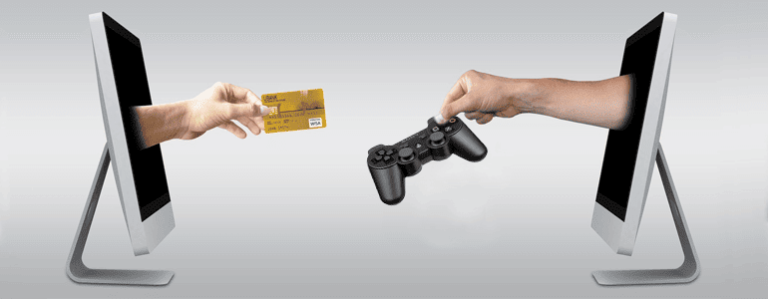
Many people have shelves, drawers, or storage boxes filled with video games they no longer touch. Tastes change, consoles get replaced, and digital libraries grow, leaving physical games unused. Deciding to sell video games you no longer play can free up space and turn forgotten items into real value. The process is usually easier than people expect, especially when you understand what buyers look for and how selling works.
Selling games isn’t only about quick cash. It can also be a way to pass games on to collectors or players who genuinely want them. Some games hold nostalgic or historical value, while others are still in demand because of limited production runs or strong fan bases. Physical copies, especially older titles, are often sought after by collectors who prefer original packaging and discs over digital versions.
Many sellers choose professional buyers like Comic Buying Center because it removes guesswork. Instead of listing items one by one, responding to messages, and worrying about scams, sellers can get clear evaluations and straightforward offers. Whether you’re selling a few modern titles or an entire retro collection, knowing how the process works helps you get the most out of what you already own.
What Affects the Value of Used and Retro Games
Not all video games are worth the same, and several factors influence their value. One of the biggest is demand. Popular franchises, cult classics, and discontinued titles often sell for more than common releases. Retro games from older consoles can be especially valuable, particularly if they were produced in limited numbers or have a strong collector following.
Condition also plays a major role. Games with original cases, manuals, and clean discs or cartridges are usually worth more than loose copies. Scratches, missing inserts, or damaged artwork can lower value, even if the game itself still works. Complete-in-box items are especially appealing to collectors who want display-ready pieces.
Platform matters too. Some systems have stronger collector markets than others. Regional releases, special editions, and games that were only available for a short time can increase interest. Even newer games may hold value if they were part of a limited run or removed from digital stores.
Finally, market trends affect pricing. Interest in certain consoles or genres can rise over time. A game that seemed ordinary years ago may become desirable later. That’s why professional evaluation is helpful—it takes current market demand into account instead of relying on outdated assumptions.
How the Selling Process Usually Works
The selling process is often more straightforward than people expect. It usually starts with gathering the games you want to sell and checking their condition. This includes looking for cases, manuals, and overall wear. Once organized, sellers can bring their items to a professional buyer or contact them for an evaluation.
At a buying center, staff assess each game based on condition, demand, and market value. This step removes uncertainty, especially for sellers who aren’t familiar with pricing trends. Instead of guessing what a game might be worth online, you get a clear offer based on current resale value.
If you accept the offer, payment is typically handled quickly. This convenience is one reason many people prefer selling directly rather than managing individual listings. There’s no need to photograph items, ship packages, or negotiate with multiple buyers.
Selling games doesn’t have to be complicated or time-consuming. With the right approach, it becomes a simple way to clear space, earn extra money, and ensure your games continue to be enjoyed rather than sitting unused.


