

HVAC systems are easy to take for granted until something feels off. The house won’t cool evenly, the air feels humid, the heater runs longer than usual, or the system is louder than before. Many homeowners wait until their HVAC system fails before calling for service, but most breakdowns are preventable with proper routine maintenance. A strong HVAC checklist helps homeowners understand what should be checked, cleaned, tested, and monitored throughout the year. This is not about becoming a technician—it’s about knowing what quality HVAC service includes so you can protect comfort and avoid unnecessary repairs. When you see the core service points, it becomes easier to recognize early warning signs, schedule tune-ups at the right time, and confirm that service visits address your system’s needs. A checklist mindset keeps HVAC care consistent, not reactive.
What This Checklist Covers
- Seasonal Maintenance Checks Homeowners Should Expect
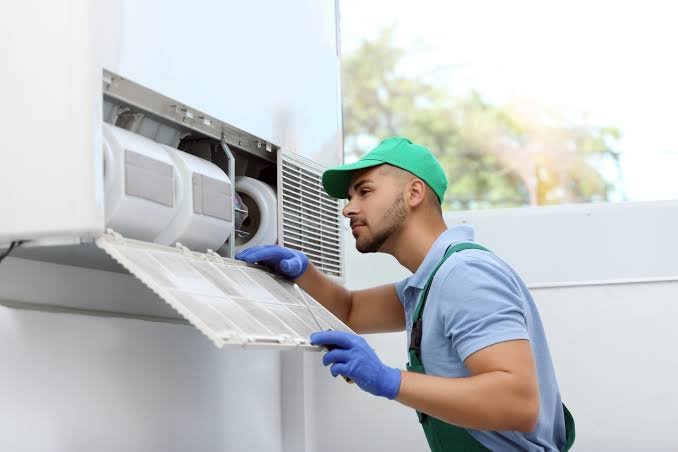
Every homeowner should understand what seasonal HVAC maintenance should include. A proper service visit isn’t only about turning the system on and confirming it runs. It involves measuring performance, verifying electrical safety, cleaning critical components, and checking airflow. Maintenance checks should confirm that the thermostat is functioning correctly and that the system cycles properly, without short bursts or prolonged strain. Filters should be inspected for load level and proper size. Drain lines and drip pans should be checked for blockages, as moisture issues can quietly damage the home. Outdoor units should be checked for debris buildup, airflow clearance, and stable fan operation. Homeowners often think of HVAC care as one step, but it is really a connected chain of inspections designed to prevent wear from turning into a breakdown. Having a checklist helps homeowners confirm that a service provider is performing complete care, not rushing through a basic inspection.
- Airflow and Ductwork Checks That Affect Comfort
Airflow issues are one of the leading causes of uncomfortable homes, even when the HVAC unit appears to be working. A checklist should include a duct and airflow evaluation, as proper air movement is required for heating and cooling to operate effectively. Registers should be checked for blockages, closed vents, or furniture that obstructs airflow. Return vents should be clean and unobstructed, because restricted returns can cause a pressure imbalance and weak airflow. A duct inspection should look for obvious leaks, disconnected sections, and crushed flex ducts in attics or crawlspaces. When ducts leak, conditioned air escapes before reaching living areas, increasing runtime and energy use. Even if the equipment is in good shape, airflow issues can cause uneven temperatures and make the home feel unstable.
- Comfort Depends on System Balance
HVAC service is not only about the unit; it also includes airflow, ductwork, thermostat control, and drainage. When these parts remain balanced, comfort is consistent, and the system doesn’t operate under strain.
- Cleaning Tasks That Improve Efficiency
An HVAC checklist should include cleaning tasks because dirt is one of the most common causes of declining efficiency. Indoor blower components collect dust, reducing airflow and increasing motor strain. Evaporator coils can develop buildup that impedes heat transfer, resulting in longer cooling cycles and poor moisture control. Outdoor condenser coils collect debris, reducing heat dissipation, raising operating pressure, and stressing the compressor. A homeowner should expect service visits to include inspection and cleaning where needed, not only quick checks. While not every visit requires deep cleaning, the checklist should require technicians to confirm that coils and airflow components are not becoming restricted. Clean systems operate more smoothly and maintain comfort with less runtime.
- Electrical and Safety Checks That Prevent No-Start Issues
Electrical failures are one of the most common reasons HVAC systems suddenly stop working. A strong checklist includes an electrical inspection that covers contactors, capacitors, wiring connections, and electrical readings. Loose connections create heat and wear, which can cause shutdowns during peak demand. Capacitors degrade gradually and often fail during heat waves, especially when systems are starting frequently. Safety controls should also be tested. In heating systems, flame sensors, ignition systems, and safety switches should be evaluated. These checks protect both the equipment and the home. Many homeowners don’t realize that many system problems begin as electrical strain detectable months earlier. This is why electrical testing belongs on every service checklist.
- Drainage and Moisture Control Points to Monitor
Moisture control is essential for comfort and home protection. A checklist should include inspections and cleaning of condensate drains. Drain clogs can lead to water overflow, ceiling damage, and mold growth. Drain pans should be checked for cracks and standing water. In humid climates, moisture issues can become serious quickly if drainage fails. The checklist should also include monitoring humidity performance. If the home feels sticky in summer, airflow and coil performance may need adjustment. Moisture control is not only a comfort issue—it affects indoor air quality and long-term system health.
- Homeowner Actions Between Professional Visits
A checklist isn’t only for technicians. Homeowners can improve HVAC performance through routine maintenance. Filter replacement is the most important step, and it should be performed based on system usage and dust levels, not on a calendar schedule. Supply vents should be kept open and unobstructed. Return vents should be vacuumed to reduce dust entry. Outdoor units should be kept clear of leaves, weeds, and debris. Thermostat settings should be stable and reasonable, avoiding frequent, large adjustments that cause long runtime swings. These habits protect airflow and reduce system strain. When homeowners follow basic steps, professional maintenance becomes more effective because the system stays cleaner and more stable between service visits.
- Why HVAC Service Checklists Often Include Related Systems
Some homeowners are surprised to hear HVAC technicians mention plumbing-related issues, but HVAC systems are connected through drainage and moisture-control systems. Condensate drains may connect to plumbing lines, and clogs can result from buildup similar to household drainage issues. Some service providers coordinate with companies that manage related maintenance needs, such as oceanside plumbing, because moisture control and drainage protection can overlap with HVAC service planning. This does not mean HVAC service becomes plumbing work, but it highlights how home comfort depends on multiple systems working together. A checklist mindset helps homeowners watch the connections between systems rather than treating HVAC as isolated equipment.
A Checklist Makes HVAC Care Consistent
An HVAC services checklist helps homeowners understand what quality maintenance includes and how to prevent problems before they become emergencies. Key items include seasonal system evaluation, airflow and duct checks, coil and blower cleaning, electrical safety testing, drainage inspection, and moisture performance monitoring. Homeowner habits, such as changing filters and keeping vents clear, also play a major role in maintaining system stability. When HVAC maintenance follows a checklist, service becomes predictable, comfort improves, and the risk of breakdowns decreases. Instead of guessing whether the system is being maintained correctly, homeowners gain clarity and confidence through consistent, organized service expectations.


