

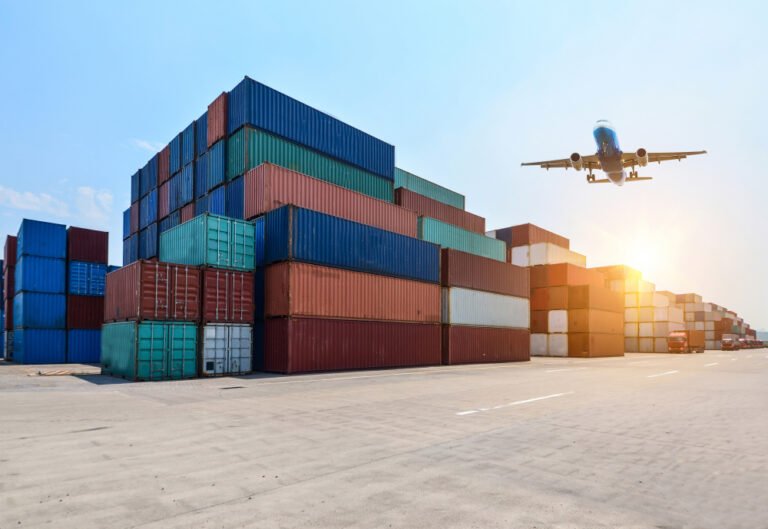
Keeping cargo secure across global supply chains starts with choosing the right type of container seal. Each mode of transport faces its own risks, handling processes, and regulatory expectations. Understanding how seals differ between sea freight, road freight, and air freight helps businesses protect goods more effectively and maintain compliance. This distinction is especially important for organisations that rely on partners like Red Flag Security to supply dependable sealing solutions that match their specific shipping needs.
Seals Used in Sea Freight and Their Purpose
Sea freight carries huge amounts of cargo in big steel containers that are open to long transit times and multiple handling points. It is the backbone of international trade. Because shipping containers are vulnerable to tampering at ports, during storage, and while at sea, seals used for ocean cargo must meet very high standards.
Most commonly, sea freight requires heavy-duty bolt seals and cable seals. Bolt seals are widely used because they are tough, tamper-evident, and comply with ISO 17712 high-security standards. These seals lock onto the container’s door hasps, making unauthorised entry highly visible and difficult to achieve without specialised tools. Cable seals are also common when extra length or flexibility is needed to secure various locking points. Both types make a clear audit trail because each seal has its own serial number that can be written down before it is sent out and checked when it gets there.
The long journey across oceans exposes containers to harsh environments. Materials used in sea freight seals must resist corrosion, UV exposure, and extreme temperatures. Strong construction helps these seals perform reliably even when exposed to rough handling during loading and unloading.
How Road Freight Relies on Flexible and Practical Seals
Road freight is faster, more flexible, and often involves many stops, transfers, or check-ins. Because trucks and trailers vary widely in design, seal choices must be adaptable. While bolt seals may still be used for high-value goods, road transport often relies on plastic indicative seals and medium-strength cable seals.
Plastic indicative seals are lightweight, cost-effective, and ideal for situations where tampering needs to be detected rather than physically prevented. They are easy for drivers and warehouse teams to apply and remove without tools, which supports quick workflows. Their unique identification numbers still allow tracking and documentation, making them suitable for retail deliveries, parcel shipments, and regional distribution.
Cable seals provide a stronger alternative when the shipment demands better security, especially during long-haul transportation. They can be adjusted to fit different latch systems, which makes them practical for fleets that use various trailer types.
Road freight seals must prioritise ease of use, speed of application, and visual clarity. They need to balance security with practicality so that drivers can inspect seals quickly during routine stops.
Air Freight Seal Requirements and Industry Expectations
Air freight is the fastest but also the most tightly regulated mode of transport. Cargo moves through secure airport zones where standards for sealing and documentation are strict. Although air containers, known as Unit Load Devices (ULDs), differ from sea containers and truck trailers, seals still play a critical role.
Air freight commonly uses tamper-evident plastic seals, metal strap seals, and sometimes cable seals, depending on the type of container and the sensitivity of the goods. Because cargo must clear airport security checks, seals must be easy to inspect, quickly replaceable if needed, and clearly marked. Weight also matters more in air transport, so lighter sealing options are preferred unless high-security requirements dictate otherwise.
Regulatory bodies may require specific sealing procedures, including recording serial numbers, documenting seal changes, and following chain-of-custody guidelines. Proper seal selection supports both compliance and efficient handling under time-sensitive conditions.
Choosing the Right Seal for Each Transport Mode
Each mode of transport has its own risks and operational demands. Sea freight needs extremely durable, high-security seals due to long journeys and exposure. Road freight calls for practical, flexible sealing solutions that support frequent handling. Air freight prioritises tamper evidence, lightweight materials, and regulatory compliance.
By understanding these key differences, businesses can match the right seal to the right shipment and improve overall cargo integrity. Working with trusted providers such as Red Flag Security ensures that every container, trailer, or air ULD is equipped with an appropriate and reliable sealing solution for safe, secure transit.


