

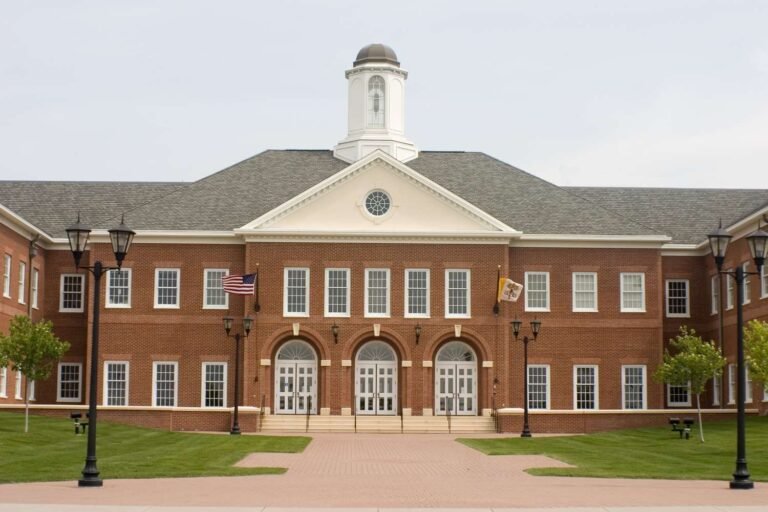
Mental health is no longer a peripheral concern – it is the foundation of academic and personal success. Private schools, with smaller cohorts and independent budgets, are uniquely positioned to treat emotional well-being as seriously as grades. While public systems often rely on overstretched external services, private schools in Limassol embed support directly into daily life, recognizing that a student who feels safe and heard learns better.
Table of Contents
Available Services in Private Schools
Most reputable private schools now employ full-time, licensed counselors (1:80 – 1:150 ratio versus 1:500+ in many public systems). Services include individual therapy, drop-in sessions, peer-support training, and 24/7 crisis hotlines. Trinity school, like many peers, keeps two or three qualified psychologists on staff plus a school nurse trained in mental-health first aid. Regular screenings for anxiety, depression, and burnout are scheduled proactively rather than reactively.
Preventive Programs
Prevention beats intervention. Evidence-based programs such as mindfulness curriculum from Year 1, resilience workshops, and “well-being days” (no lessons, only restorative activities) are standard. Private schools frequently partner with organizations like Mind (UK) or local equivalents to deliver age-appropriate modules on stress management, sleep hygiene, and digital detox. Within a school Cyprus context, some institutions weave Mediterranean lifestyle principles – outdoor movement, family-style meals – into daily routines to naturally lower cortisol levels.
Handling Crises
When crises occur – eating disorders, self-harm, family trauma – private schools can respond immediately. On-site counselors coordinate with external psychiatrists, arrange temporary reduced timetables, or facilitate hospital links without weeks of waiting lists. Trinity private school and similar private schools maintain confidential protocols that involve parents only with student consent (age-appropriate), preserving trust while ensuring safety.
Parental Role
Schools actively educate parents through workshops, newsletters, and dedicated evenings on topics from exam pressure to social-media impact. Many private schools run parent support groups facilitated by the same counselors who see the students, creating alignment between home and school approaches.
Here is a list of core mental-health provisions now considered best practice in leading private schools:
- Full-time qualified counselor accessible every school day
- Mandatory teacher training in mental-health first aid (renewed every two years)
- Anonymous reporting apps and “worry boxes” in every corridor
- Structured transition programs between year groups to reduce anxiety
- Regular, confidential well-being surveys with follow-up for every student scoring low
These elements are not luxuries – longitudinal data from private schools show they reduce counseling referrals by 30 – 40% and serious incidents by over 60 % compared to systems without them. Whether at Trinity private school or any committed school Cyprus, the message is clear: academic pressure without emotional scaffolding creates fragile achievement; balanced support creates resilient graduates.
Evaluating School Support
When choosing a school, ask specific questions: How many sessions can my child access per term without extra cost? What is the average wait time for an appointment? Are external therapists allowed on campus? Do you publish annual well-being reports? The answers reveal whether mental health is genuinely prioritized or merely marketed.


