

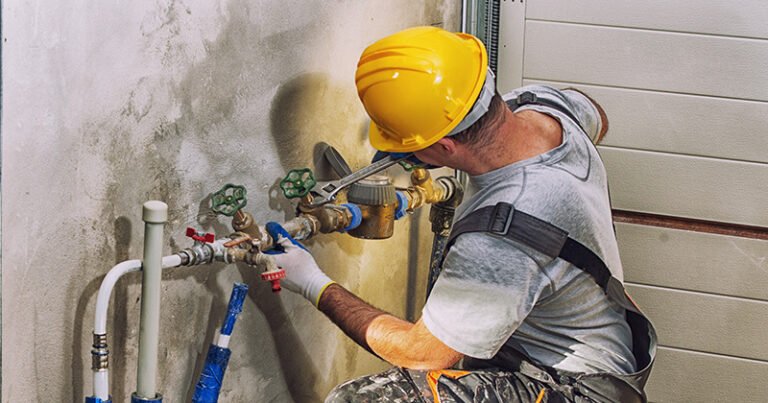
Water has its own way of finding weak spots. One loose joint or small crack, and suddenly, you’re standing in a puddle, wondering how it all started. That’s where a skilled plumber in Mesquite, TX, makes the real difference. Good plumbing work isn’t just about stopping leaks; it’s about understanding how the whole system works together, from water pressure to drainage flow. Let’s break down the skills that keep homes dry, steady, and stress-free without turning it into rocket science.
Table of Contents
1. The Art of Reading the System
A great plumber doesn’t just fix what’s broken; they read the entire system like a story. Every drip, sound, or pressure drop gives a clue. It’s not luck, it’s experience. When a plumber walks into a home, they notice small hints most people miss: a slightly tilted valve, a loose connection, or pipes that hum under strain. These small details help stop problems before they become costly messes. It’s about understanding what your plumbing is trying to say long before it starts shouting through leaks.
2. Why DIY Isn’t Always Your Best Move
There’s nothing wrong with getting hands-on around the house, but plumbing is all about precision. A tiny misstepover-tightening, under-tightening, or misaligning, can lead to cracks or leaks that cost far more later. That’s why you should trust a reputable company like James Armstrong Plumbing. Their technicians know the exact pressure required for every seal and joint. No guessing, no shortcuts. DIY has its place, but when water and pipes are involved, experience wins every time.
3. Understanding Materials and Longevity
Not all pipes are created equal. Old galvanized lines, for example, rust from the inside, shrinking water flow. Copper lasts long but reacts with certain water minerals. PEX pipes are flexible and easier to install, but need precise connections. A skilled plumber knows which material fits your home best, not based on price alone, but on your home’s age, layout, and water quality. This kind of knowledge prevents future headaches and gives your plumbing system a solid, lasting foundation.
4. Spotting Problems Before They Spread
Leaks don’t always announce themselves. Sometimes, they whisper through subtle clues like soft wall spots, dripping sounds, or that sudden jump in your water bill. Ignoring these hints can lead to bigger repairs down the road, such as drywall damage or mold buildup. The best plumbers use those small signs as early warnings. They trace the source, test pressure levels, and inspect every joint. This kind of proactive work saves homeowners from surprises and unnecessary expenses later.
5. Preventive Maintenance: The Real Hero Move
Most people only think about plumbing when something breaks. But the real magic happens before that. Preventive maintenance keeps everything running quietly in the background. Annual inspections, flushing water heaters, checking water pressure, and cleaning aerators can all prevent chaos later. It’s like giving your home a checkup, simple steps that keep things healthy. A good plumber doesn’t just fix issues; they help you build a habit of maintenance so your system stays in peak shape.
Plumbing is one of those things that’s easy to ignore until it demands attention. But the smartest homeowners know that real peace of mind comes from prevention and professional skill. When handled with care and experience, your plumbing system becomes nearly invisible, working quietly, doing its job, and keeping your home comfortable. Remember, good plumbing isn’t about reacting; it’s about staying ahead. And that’s what makes all the difference between a minor drip and a major repair.
Keep your home leak-free and worry-free with James Armstrong Plumbing. Call 214-918-6109 today to schedule a visit from trusted professionals who know how to fix it right, before it becomes a bigger problem.
FAQs
1: How do I know if I have a hidden plumbing leak?
Look for damp spots, musty smells, or sudden increases in your water bill. Even a faint dripping sound can signal a hidden leak that needs quick attention before it spreads.
2: What kind of maintenance should I do regularly?
Once a year, have your plumbing checked by a professional. Cleaning faucet aerators, checking for slow drains, and testing water pressure are simple ways to keep things working perfectly.


