

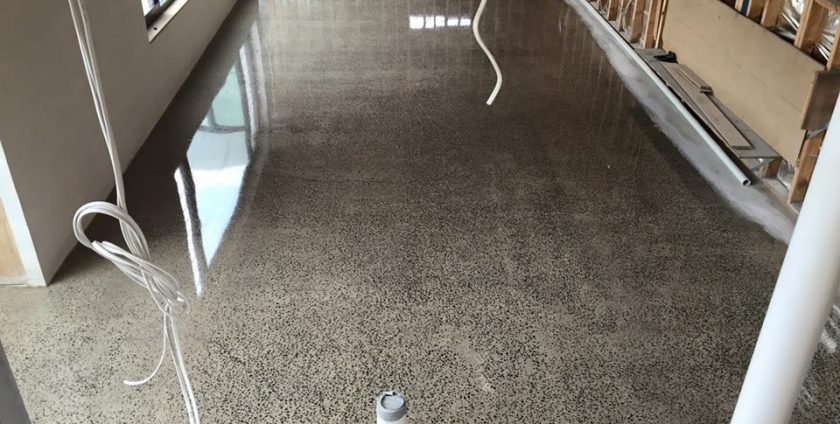
Polished concrete flooring is no longer limited to industrial spaces. Many homeowners are choosing it for its clean look, low maintenance, and long life. Before installing, it is helpful to understand how the process works, its advantages, and the factors that affect the final result.
Table of Contents
Understanding the Polishing Process
Polishing concrete involves grinding the surface with specialized equipment to achieve a smooth, reflective finish. The process can vary in levels of sheen, from matte to high gloss. Each stage uses finer grits of diamond abrasives to refine the surface and enhance durability.
Proper surface preparation is essential. Cracks, stains, and uneven areas should be repaired before polishing begins. This ensures that the final finish is consistent and long-lasting.
Key Benefits for Home Environments
Homeowners appreciate polished concrete for its combination of beauty and practicality. It complements both modern and traditional interiors while offering a resilient surface that stands up to daily wear.
- Easy to clean and maintain with simple sweeping and damp mopping
- Resistant to dust, stains, and moisture when properly sealed
- Reflective surface enhances natural light in living areas
- Long service life with minimal need for replacement
Because the surface is seamless, it also contributes to improved indoor air quality by reducing dust buildup and allergens.
Design and Finish Considerations
Polished concrete floors can be customized through color staining, aggregate exposure, and sheen level. Lightly polished floors offer a subtle matte finish, while higher gloss levels create a mirror-like appearance. Decorative patterns or embedded materials can further personalize the space.
When planning, consider how lighting, furniture, and foot traffic will interact with the surface. A higher gloss may highlight imperfections in bright rooms, while lower sheen finishes work well in softer lighting.
Installation Factors and Preparation
The success of a polished floor depends on the quality of the existing concrete. New slabs should cure fully before polishing. For older floors, an inspection helps identify issues such as moisture or surface damage that may require treatment.
Professional installation typically occurs in multiple stages, from coarse grinding to final polishing and sealing. Homeowners should plan for some noise and dust during the process, though experienced contractors use dust control systems to minimize disruption.
Maintenance Practices for Longevity
Routine care helps preserve the appearance and performance of polished floors. Avoid harsh cleaning chemicals and use pH-neutral products instead. Placing mats at entrances reduces grit that can dull the surface over time.
Periodic re-burnishing or resealing may be recommended depending on traffic levels. With proper maintenance, polished concrete can maintain its shine and structural integrity for decades.
Exploring Reliable Flooring Options
For homeowners seeking a long-term flooring investment, polished concrete solutions provide durability and design flexibility suitable for various residential styles. Those evaluating broader surface treatments can also review concrete floor solutions that include finishes for garages, basements, and outdoor spaces.