

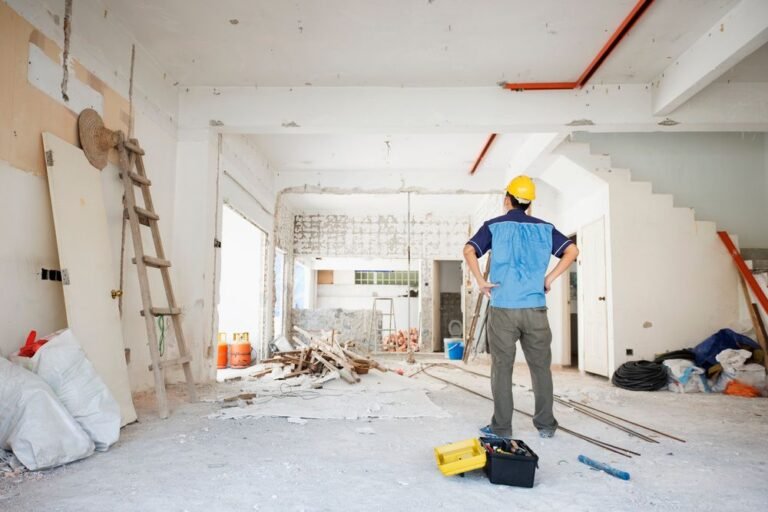
Renovating Brooklyn apartment can be an exciting journey toward creating a space that reflects your taste and supports your lifestyle. Unlike standalone homes, however, apartment renovations come with a layered set of challenges that intertwine legal compliance, design limitations, and financial constraints. To achieve a successful transformation, it’s vital to approach the process holistically—understanding each component thoroughly before diving in with hammer and paintbrush.
Table of Contents
Legal Considerations You Shouldn’t Overlook
One of the first steps in any apartment renovation should be checking the legal groundwork. Apartments often exist within a complex governed by housing societies or condominium associations that enforce rules to maintain structural integrity and harmonious living. Before planning any changes, consult the building’s bylaws and speak with the management committee or property manager. Structural alterations, such as removing walls or modifying plumbing and electrical systems, typically require formal permission.
Certain cities or municipalities also impose zoning restrictions or require renovation permits, especially for electrical upgrades, plumbing modifications, or construction that could impact fire safety. Failing to secure these can lead to fines, forced reversals of work, or even legal action. If your apartment is leased, you’ll need to obtain written consent from your landlord before making any modifications—even if they are cosmetic.
Another crucial legal factor is noise and disruption. Many apartment buildings enforce ‘quiet hours’ and renovation timelines to limit disturbances for other residents. Contractors often must adhere to specific time slots and safety regulations when working on site. It’s not just about following the law—it’s about respecting the shared environment you inhabit.
Design Tips for Creating a Functional and Aesthetic Space
When working within the constraints of an apartment footprint, good design isn’t just a luxury—it’s a necessity. Every inch matters, and your choices should reflect a combination of beauty, efficiency, and flexibility. Start by evaluating how the current layout serves your daily needs. If certain areas feel cramped or poorly lit, prioritize design solutions that optimize space and light. Open shelving, glass partitions, and minimalistic color schemes help rooms feel airy without losing functionality.
Consider multifunctional furniture and clever spatial planning to make the most of your square footage. A foldable dining table, a sofa bed for guests, or a built-in workspace can drastically increase usability without expanding your walls. Even visual continuity—such as consistent flooring or lighting styles—can unify disconnected zones and give the impression of a larger, more cohesive interior.
Lighting plays a transformative role in apartment design. Natural light is ideal, so if you’re doing window treatments or rearranging furniture, prioritize flow towards the windows. Supplement this with layered artificial lighting—ambient overhead lights, task-specific lamps, and accent lighting can change the mood and function of a space in seconds. Carefully choosing light fixtures not only elevates the design but often serves practical purposes in tight quarters.
Don’t forget ventilation and storage. In compact spaces, airflow is essential for comfort and health, while adequate storage prevents clutter. Built-in cabinets, wall-mounted racks, and customized shelving in unexpected places—like above door frames or under staircases—can offer elegant solutions without imposing on your square footage.
Budgeting Basics for a Realistic and Successful Renovation
No renovation—big or small—should begin without a clear financial roadmap. Start by listing all planned upgrades and estimating their costs, including materials, labor, permits, designer or architect fees, and a buffer for unexpected expenses. Renovations notoriously veer off budget, so it’s wise to include an additional fifteen to twenty percent contingency in your overall calculations.
If you’re hiring professionals, get multiple quotes to compare service quality and cost. Don’t choose solely on price—cheaper contractors might cut corners, while high-end designers may not suit a modest project. Read reviews, ask for references, and ensure that payment terms and project timelines are clearly laid out in your contract. Transparency with vendors and artisans prevents surprise bills and scheduling setbacks.
Material selection has a significant impact on budget and durability. While it’s tempting to splurge on aesthetics, focus on longevity and performance. For example, investing in high-quality plumbing fixtures or moisture-resistant flooring in wet areas saves costs on maintenance or repairs later. You can also offset certain expenses by doing parts of the renovation yourself—such as painting or assembling furniture—if you’re up to the task.
Don’t ignore indirect costs like relocation, storage, or temporary living arrangements during extensive remodeling. These can quickly add up and strain your finances if unaccounted for. If you’re financing the renovation through a loan or personal savings, ensure your monthly outflows remain sustainable post-renovation. The goal is to improve your living situation, not create long-term financial stress.
Final Thoughts
Renovating an apartment is more than just a series of stylish upgrades—it’s a well-orchestrated effort to balance legality, creativity, and financial reality. Navigating approvals and building codes ensures a smooth start, while thoughtful design turns limitations into inspirations. A disciplined budgeting approach allows you to stretch your resources without compromising on results.
By keeping these pillars in mind, you don’t just redesign a space—you redefine how you live within it. Every change should feel intentional and empowered, allowing your apartment to become a true reflection of your needs, ambitions, and personality. With the right foundation, your renovation won’t just transform walls—it will transform the way you live. For expert sidewalk repair and trusted renovation services in New York City, homeowners turn to Zicklincontracting.com for reliable, DOT-approved solutions that stand the test of time.


