

Paving projects are essential for creating durable, functional, and visually appealing surfaces. Whether it is a driveway for a home or a parking lot for a business, paving provides stability, safety, and long-term value. However, residential and commercial paving differ significantly in terms of scale, materials, design, and maintenance. Understanding these differences is crucial for property owners who want to make informed decisions and achieve the best results for their specific needs.
Table of Contents
Scale and Scope of Work
Residential paving projects are typically smaller in scale, focusing on driveways, walkways, patios, or garden paths. These projects often prioritize aesthetics and comfort, with homeowners seeking designs that complement the style of their property. Commercial paving like Executive asphalt paving Columbus Ohio, on the other hand, involves larger areas such as parking lots, access roads, and industrial yards. The scope of work is broader, requiring heavy-duty equipment, larger crews, and more extensive planning to accommodate traffic flow and safety regulations.
Material Selection
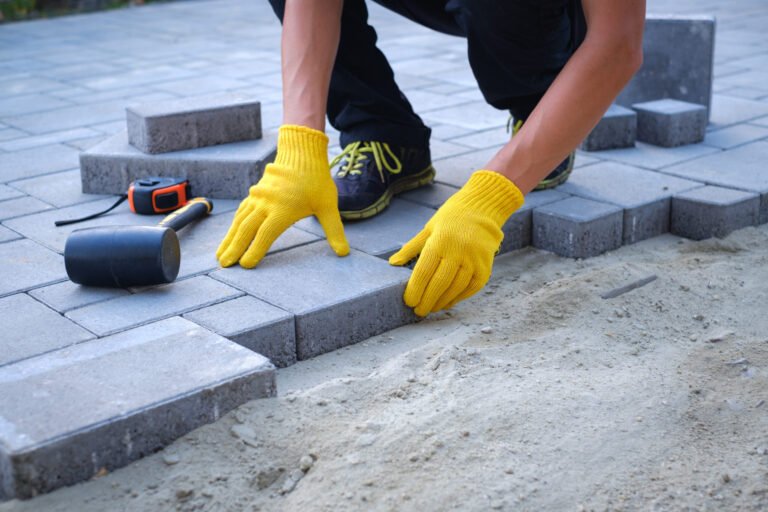
The choice of materials often reflects the different demands of residential and commercial paving. Homeowners may opt for concrete, asphalt, brick, or stone, depending on budget and design preferences. Decorative finishes, stamped concrete, or interlocking pavers are popular for residential projects where appearance is a priority. Commercial paving typically relies on asphalt or reinforced concrete due to their durability and ability to withstand heavy loads. Functionality and longevity take precedence over decorative elements in commercial applications.
Design Considerations
Residential paving design emphasizes curb appeal and personal style. Driveways may feature curves, patterns, or color variations to enhance the property’s overall look. Walkways and patios are often designed with comfort and leisure in mind, blending seamlessly with landscaping. Commercial paving design is more utilitarian, focusing on efficiency, safety, and compliance with regulations. Parking lots must include proper markings, drainage systems, and accessibility features, while industrial areas require surfaces that can handle constant wear from vehicles and equipment.
Installation Process
The installation process differs in complexity between residential and commercial projects. Residential paving usually involves smaller crews and lighter equipment, with projects completed in a shorter timeframe. Commercial paving requires extensive preparation, including soil stabilization, grading, and drainage planning. Large-scale machinery is used to handle the volume of materials, and projects may take longer due to the size and regulatory requirements. The precision and durability demanded in commercial paving make the process more intensive.
Maintenance and Longevity
Maintenance needs also vary between residential and commercial paving. Homeowners may need occasional sealing, cleaning, or minor repairs to keep surfaces looking fresh and functional. Commercial paving requires more frequent and rigorous maintenance due to heavy traffic and exposure to environmental stress. Regular inspections, resurfacing, and line repainting are necessary to ensure safety and compliance. While both types of paving benefit from proactive care, commercial surfaces demand a higher level of ongoing attention.
Cost Differences
Residential paving costs are generally lower because of the smaller scale and simpler requirements. Homeowners can choose materials and designs that fit their budget, with flexibility in customization. Commercial paving is more expensive due to the larger area, heavier materials, and stricter standards. The investment is justified by the need for durability, safety, and compliance with legal regulations. Understanding these cost differences helps property owners plan effectively and avoid unexpected expenses.
Conclusion
Residential and commercial paving share the common goal of creating strong, functional surfaces, but they differ in scale, materials, design, installation, and maintenance. Residential projects emphasize aesthetics and personal style, while commercial projects prioritize durability, efficiency, and compliance. Recognizing these distinctions allows property owners to choose the right approach for their needs, ensuring that their paving project delivers lasting value. Whether enhancing a home’s curb appeal or supporting a business’s operations, paving remains a vital investment in both residential and commercial settings.


