

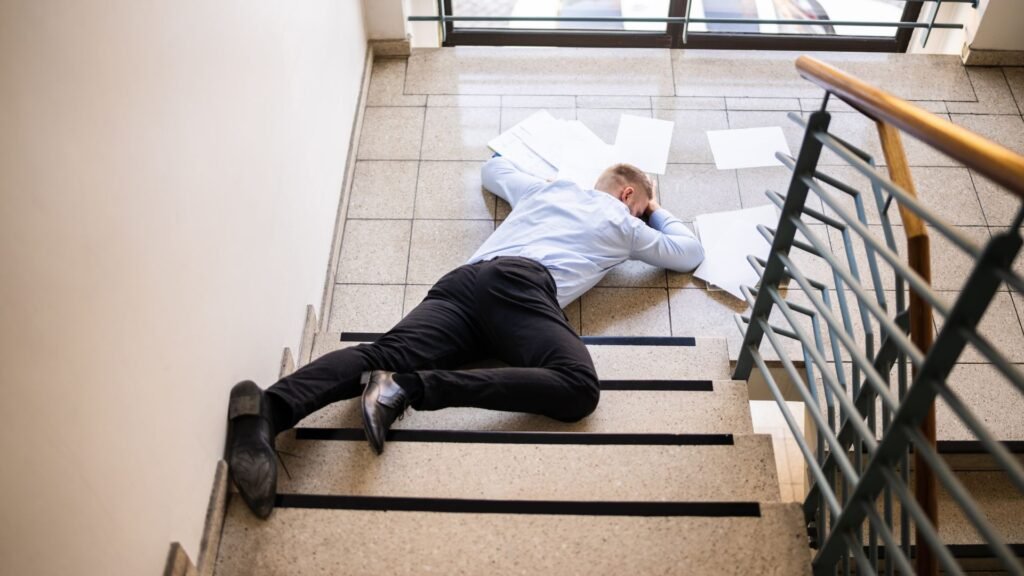
Stairway fall accidents in New York City residential buildings happen fast and feel crushing. One missed step. One loose handrail. One dim hallway. You can face broken bones, head trauma, or lasting pain. You may worry about rent, medical costs, or when you can walk normally again. You may also feel angry, because someone should have fixed the problem before you got hurt. New York law gives you rights when a stairway is unsafe. Building owners must keep stairs, landings, and lights in safe working order. They must repair known hazards and respond to complaints. When they fail, you carry the damage. This blog explains common stair hazards, what to do right after a fall, and how fault is decided. It also explains how a lawyer and resources like 24injurylaw.com can help you protect your health, your income, and your future.
Table of Contents
Common stair hazards in New York City buildings
Many stairway dangers repeat from building to building. You often see the same patterns.
- Loose or missing handrails
- Cracked or uneven steps
- Worn carpet or loose tiles
- Wet floors from leaks or mopping
- Poor lighting in halls and stairwells
- Clutter on steps such as trash bags or packages
- Broken or loose stair nosing at the edge of steps
New York City codes set minimum safety rules for stairs and handrails. The city explains many of these rules through the NYC Department of Buildings safety guidance. When owners ignore these rules, the risk of a fall grows fast.
How stairway falls happen
A fall rarely comes from clumsiness alone. It often comes from a chain of choices by the owner or manager.
Some common patterns include:
- You reach for a handrail that wobbles or pulls loose
- Your foot catches on a broken edge of a step
- You miss a step because a lightbulb is out and the stairwell is dark
- You slip on water, grease, or ice tracked in from outside
- You lose balance on steep or uneven stairs that do not match code
Each detail matters. The material on the step, the height of the riser, the width of the tread, the presence of a handrail, and the lighting all affect your safety.
Injuries you may face after a stair fall
Stairway falls can cause harm from head to toe. Some injuries heal. Others change your life.
- Broken wrists, arms, or ankles
- Hip fractures
- Spine injuries
- Concussions or traumatic brain injuries
- Deep cuts and bruises
- Shoulder and knee ligament tears
Older adults face extreme risk. The Centers for Disease Control and Prevention explains that falls are a leading cause of injury for older adults in New York and across the country. You can read more on the CDC fall facts page at cdc.gov.
Your rights under New York law
New York law expects owners to keep stairs reasonably safe. You do not need perfect stairs. You need stairs that are not dangerous.
In general, you must show three things.
- The owner or manager controlled the stairway
- A dangerous condition existed such as broken steps or poor lighting
- The owner knew or should have known about it and did not fix it in time
Notice is key. If a hazard existed long enough or if tenants complained, a court may find that the owner should have known. Written complaints help. Photos and videos help. Work orders and inspection reports help.
What to do right after a stairway fall
Your first steps after a fall can protect your health and your legal rights.
- Call 911 if you feel severe pain, cannot move, or hit your head
- Report the fall to the building super or manager as soon as you can
- Ask for a written incident report and a copy
- Take photos of the stairs, lighting, and any hazards before they change
- Get names and contact details of any witnesses
- Save the shoes and clothes you wore
- See a doctor, even if you think you are fine
Pain sometimes shows up hours or days later. Medical records from the same day tie your injuries to the fall.
Documenting building safety problems
Good records can make the difference between a denied claim and a strong case. Try to keep:
- Photos and videos of the stairs over time
- Copies of emails, texts, or letters to management
- HPD or 311 complaint numbers if you report conditions to the city
- Repair notices and work logs if you can get them
- Medical bills and visit summaries
- Pay stubs and records of missed work
Each piece shows the story of what happened to you and how it affects your life.
Risk comparison table for stairway falls
The table below shows how common stairway risks compare in a simple way. This is for general understanding and not exact statistics.
| Condition | How it increases fall risk | Common in NYC residential buildings |
|---|---|---|
| Poor lighting | Makes it hard to see edges of steps and obstacles | High |
| Loose or missing handrails | Removes support when you lose balance | High |
| Broken or uneven steps | Catches your foot and causes trips | Medium |
| Wet or slippery surfaces | Causes sudden loss of traction | High during rain or snow |
| Clutter on stairs | Creates surprise obstacles in your path | Medium |
| Loose flooring or carpet | Leads to slips or snagged shoes | Medium |
How a lawyer may help you
You may feel pressure from medical bills and time off work. You may also face pressure from insurance companies that want quick and low settlements.
A lawyer can:
- Review accident reports, photos, and medical records
- Identify codes and rules the owner may have broken
- Work with experts to inspect the stairs
- Handle talks with insurance so you do not feel pushed
- Explain deadlines and court rules in clear terms
Resources like 24injurylaw.com can connect you with legal help that focuses on injury cases from unsafe property conditions.
Protecting yourself and your family
You cannot control every hazard in a building. You can take simple steps to lower risk.
- Use handrails every time
- Report broken steps, poor lighting, or clutter right away
- Teach children to walk, not run, on stairs
- Wear shoes with good grip when possible
- Hold small children by the hand on stairs
If a fall still happens, remember that you are not alone. The law gives you tools. Medical care, strong records, and informed legal help can steady you and your family after a sudden stairway accident.