

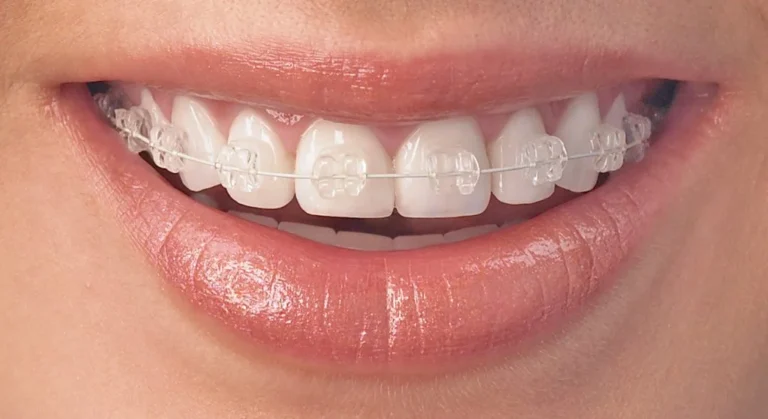
Many adults feel uneasy about their smiles. You might hide your teeth in photos. You may avoid speaking up in meetings. Today, you have quiet ways to straighten teeth without drawing attention. Clear aligners, tooth colored braces, and other cosmetic options change how you look and how you feel. These treatments focus on what others see when you smile. They fit your daily life. You can work, care for family, and keep social plans. You do not need to put life on hold. Across the country, people ask for shorter treatment times, less metal, and natural looking results. Local experts respond to that demand. An orthodontist in La Quinta, Ca can now shape a plan around your goals, not a one size path. This blog explains why more people choose cosmetic orthodontic care and what you can expect when you start.
Table of Contents
Why More People Choose Cosmetic Orthodontics
You live in a world of constant photos and video calls. Your smile shows up everywhere. That pressure can hurt your mood. It can also change how you relate to others. You might feel smaller than you are.
Cosmetic orthodontic care speaks to three common needs.
- You want straight teeth that look natural.
- You want treatment that fits work and family life.
- You want clear steps, clear costs, and clear timelines.
The American Dental Association notes that aligned teeth support better cleaning and a lower risk of gum disease. A better smile can lift your health and your confidence at the same time.
Common Cosmetic Orthodontic Options
You now have more than one clear path to straighter teeth. Each choice has strengths. Each one asks for daily care from you.
| Treatment type | How it looks | Typical use | Key limits |
|---|---|---|---|
| Clear aligners | Thin clear trays on teeth | Mild to moderate crowding or spaces | You must wear 20 to 22 hours per day |
| Ceramic or tooth colored braces | Brackets that blend with teeth | Mild to complex bite problems | Brackets can stain without careful cleaning |
| Lingual braces | Braces placed on back of teeth | People who want braces hidden from view | Harder to clean and may affect speech at first |
| Short term cosmetic braces | Clear or metal braces on front teeth | Front tooth crowding with no major bite change | Does not address deeper jaw or bite issues |
The National Institute of Dental and Craniofacial Research explains that braces and aligners work by applying gentle pressure that moves teeth over time.
Benefits That Reach Beyond Looks
Cosmetic orthodontic care is not just about photos. It also brings clear health gains.
- Cleaner teeth. Straight teeth leave fewer tight spots that trap food.
- Lower risk of gum problems. It is easier to brush and floss along even lines.
- More balanced bite. Even contact spreads chewing forces and can ease jaw strain.
You may also feel changes in three life areas. You might speak with more strength. You might join social events without fear. You might apply for jobs or roles that you avoided before. These changes can ease long-held shame and quiet self-doubt.
What To Expect During Treatment
The first visit usually includes three steps. You share your goals. The orthodontist checks your teeth and bite. Then you review photos, X-rays, and a plan.
A clear plan should include.
- How long treatment last?
- What type of appliance fits your needs?
- Costs and payment choices.
- How often do you need checkups?
Once treatment begins, you play a central role. You must keep aligners in. You must avoid hard or sticky foods if you choose braces. You must clean your teeth with care. Missed steps slow progress and can harm teeth.
Comparing Time, Cost, and Upkeep
You can use this simple table as a starting point. It does not replace a personal plan, yet it helps you prepare questions.
| Option | Approximate treatment time | Checkup frequency | Daily tasks |
|---|---|---|---|
| Clear aligners | 6 to 18 months in many cases | Every 6 to 10 weeks | Wear trays, remove for meals, brush after eating |
| Ceramic braces | 18 to 24 months in many cases | Every 4 to 8 weeks | Brush after snacks, use floss aids, protect brackets |
| Lingual braces | 18 to 24 months in many cases | Every 4 to 8 weeks | Use special brushes, give speech time to adjust |
| Short term cosmetic braces | 6 to 12 months in many cases | Every 4 to 6 weeks | Same care as other braces, focus on front teeth |
How To Decide What Is Right For You
Three questions can guide your choice.
- What bothers you most about your teeth and bite?
- How much time can you give each day to care and cleaning?
- How do you feel about others seeing your braces?
You can bring photos of smiles you like. You can ask for before and after photos of similar cases. You can also ask about what happens if you stop early. Open talk builds trust and protects your long-term health.
Life After Cosmetic Orthodontic Treatment
When treatment ends, you still need to protect your results. You will likely wear a retainer. Sometimes you wear it full-time at first. Then you shift to nights only. If you stop, teeth can drift back.
Healthy routines matter.
- Brush twice each day with fluoride toothpaste.
- Floss once per day.
- See your dentist for regular cleanings and checks.
Your smile can become a steady source of strength rather than a source of pain. With clear information and a plan that fits your life, you can move toward that change with calm and control.


