

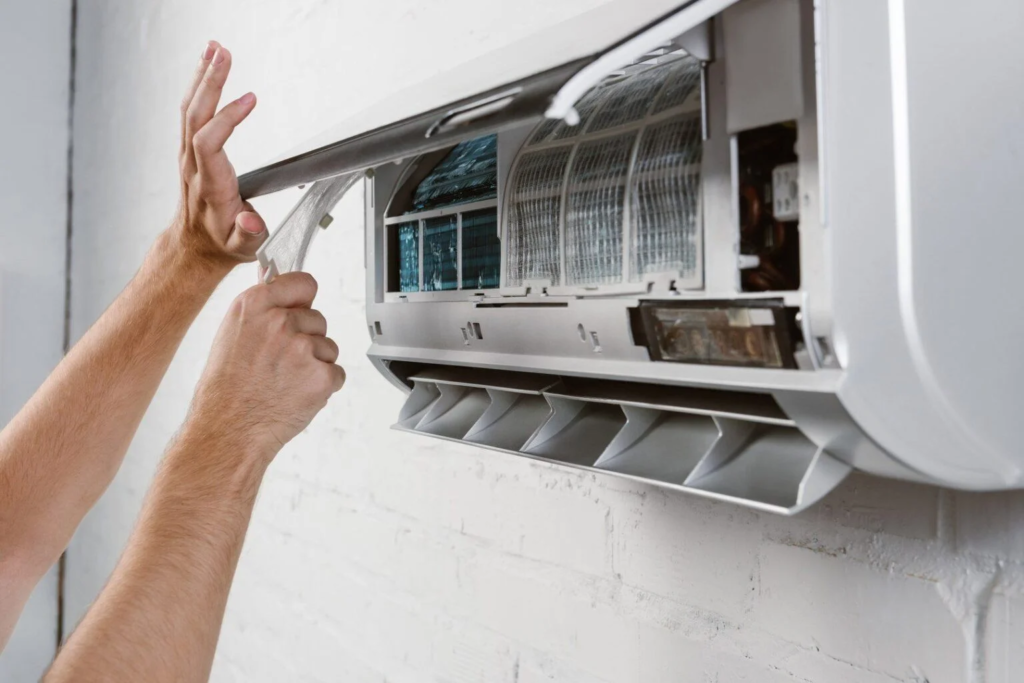
A new HVAC system can feel like the final step in solving comfort problems, but the first weeks after installation often determine whether the system performs smoothly for years or begins a cycle of small frustrations. Even when equipment is installed correctly, real-life conditions can reveal issues that cannot be fully predicted on day one. Airflow patterns change once the system runs through full heating and cooling cycles, thermostats react to household routines, and minor settling in duct connections can affect balance. Post-installation follow-ups give HVAC contractors the chance to confirm that the system is operating as designed, fine-tune performance, and address early warning signs before they become expensive repairs. For homeowners, a follow-up visit also provides reassurance that the investment is protected and that comfort will remain consistent throughout the seasons, not just during the initial startup.
Why follow-ups protect performance and comfort
- Verifying System Performance Under Real Conditions
The first follow-up visit is often when the system is tested in real household conditions rather than during a controlled installation checklist. Contractors check temperature splits, verify refrigerant performance of cooling equipment, and confirm that airflow reaches each room as intended. They also look for signs of short cycling, unusual noises, or vibration that might not appear during the first hour of operation. This matters because a system can technically run while still operating inefficiently or unevenly. If a room is consistently warmer or cooler, follow-ups help identify whether the cause is duct balance, register placement, insulation differences, or thermostat response. In regions like Mansfield, TX, where seasonal swings can strain HVAC systems, early verification helps ensure the system is prepared for longer runtime without drifting into comfort gaps. The goal is to confirm performance before the homeowner settles into a routine that hides small issues until they grow.
- Airflow Balancing and Duct Adjustments
Airflow is one of the most common areas where follow-ups deliver immediate value. During installation, ducts may be connected, sealed, and tested, but true balance often becomes clearer after the system runs for several days. Follow-ups allow contractors to measure airflow at registers, check static pressure, and fine-tune dampers so the system delivers consistent comfort. Sometimes a new system moves air differently than the old one, making previously unnoticed duct weaknesses more obvious. A follow-up can reveal a return air pathway that is too restrictive, a supply run that needs adjustment, or a filter setup that is creating unnecessary pressure. Contractors may also inspect for small air leaks around joints that only become noticeable after thermal expansion and contraction. These adjustments can reduce noise, improve airflow distribution, and prevent the system from working harder than necessary, which supports efficiency and long-term reliability.
- Thermostat Setup and Control Optimization
A new HVAC installation often includes updated controls, and follow-ups ensure those settings align with actual usage. Thermostats can be configured with different cycle rates, fan behaviors, and recovery settings, and these can significantly influence comfort and energy use. Contractors verify that the thermostat is reading accurately, placed correctly, and responding properly to temperature changes. They also check whether the system is running longer than needed due to settings that do not align with the home’s layout. If the homeowner uses remote sensors or a smart thermostat schedule, the follow-up is a chance to refine those settings based on early experience. Control optimization also includes verifying staging behavior on multi-stage systems, ensuring the unit is not operating at high output when lower stages would maintain comfort. Proper control setup reduces unnecessary cycling, improves comfort and stability, and helps the system operate in smoother patterns, reducing wear.
- Catching Moisture and Drainage Problems Early
Condensate management is a quiet but critical part of HVAC performance, especially in cooling season. After installation, follow-ups help confirm that drain lines are pitched correctly, traps are working, and condensation is flowing as intended. Small drainage issues may not cause immediate failure, but they can lead to water damage, mold growth, or safety switch shutoffs. Contractors check for slow drains, minor leaks at fittings, or signs of water pooling in the drain pan. They also confirm that humidity control is functioning properly, since some systems require specific settings to manage moisture effectively. Early attention to drainage protects both the HVAC system and the home itself. Follow-ups create an opportunity to address moisture problems while they are still easy to correct, rather than waiting until staining, odors, or overflow events make the issue obvious and more costly.
- Educating Homeowners for Better Daily Operation
Post-installation follow-ups also support system health by helping homeowners understand how to operate and maintain the new equipment. Many homeowners assume a new system will take care of everything automatically, but simple habits make a major difference in performance. Contractors use follow-ups to explain filter replacement schedules, the impact of blocked vents, and how thermostat setbacks affect runtime behavior. They also answer questions that often arise only after living with the system for a few weeks, such as why the fan runs longer, why certain rooms feel different, or how humidity settings influence comfort. This education helps homeowners become partners in maintaining efficiency and preventing avoidable strain. When homeowners understand what normal operation looks like, they are more likely to notice early signs of a developing issue. That awareness supports fewer emergency calls and a more predictable ownership experience.
- Confirming Warranty, Documentation, and Maintenance Planning
Follow-ups are also practical from a protection standpoint because they help confirm that warranty and documentation details are properly handled. Contractors may verify that the system has been registered correctly, that model and serial numbers are recorded, and that any required startup documentation is complete. They also confirm the homeowner has access to operating manuals and understands key maintenance points. In many cases, a follow-up visit is the moment to establish a long-term maintenance plan tailored to the system type and household conditions. This includes scheduling periodic inspections, coil-cleaning intervals, and performance checks to keep the system running smoothly. A structured maintenance plan reduces the chance of sudden breakdowns and supports more stable efficiency. Follow-ups make the installation feel complete by linking the new system to a long-term care strategy rather than leaving the homeowner alone after day one.
- Follow-Ups Turn Installations Into Long-Term Success
Post-installation follow-ups are important because they transform a successful installation into reliable long-term performance. They verify real-world operation, refine airflow, optimize controls, and catch moisture or drainage issues before damage occurs. Follow-ups also help homeowners learn how to use the system effectively and ensure documentation and warranty details are in place. The result is a system that feels consistent, comfortable, and dependable across changing seasons. Instead of waiting for problems to appear, follow-ups create a proactive checkpoint that protects the investment and reduces future repair risk. For many homeowners, the follow-up visit is the difference between a new system that simply runs and one that truly fits the home.