

Renovating or building can be exciting—new spaces, fresh finishes, and the promise of something better than what came before. But for many older properties, there’s a hidden risk that needs careful attention before any real progress can begin: asbestos.
Asbestos was widely used in construction for decades because it was durable and fire-resistant. Today, we know it can pose serious health risks if disturbed. That’s why the role of an asbestos removal specialist is so important in safe building projects. They’re not just another trade on site—they’re a key part of protecting people, timelines, and long-term outcomes.
Table of Contents
Why Asbestos Is Still a Concern in Building Projects
Many homes and commercial buildings constructed before the late 1980s may still contain asbestos in areas such as roofing, wall sheeting, insulation, flooring, or even fencing. The material itself isn’t always dangerous when left undisturbed. Problems arise when it’s cut, drilled, or broken during renovations or demolition.
When asbestos fibres become airborne, they can be inhaled and lodge in the lungs. Over time, this exposure can lead to serious health conditions. That’s why awareness and proper handling are essential.
A simple comparison is old lead paint. You wouldn’t sand it without precautions because of the dust. Asbestos requires even more care—and that care comes from trained specialists who know how to manage it safely.
What an Asbestos Removal Specialist Actually Does
An asbestos removal specialist does much more than “take material away.”
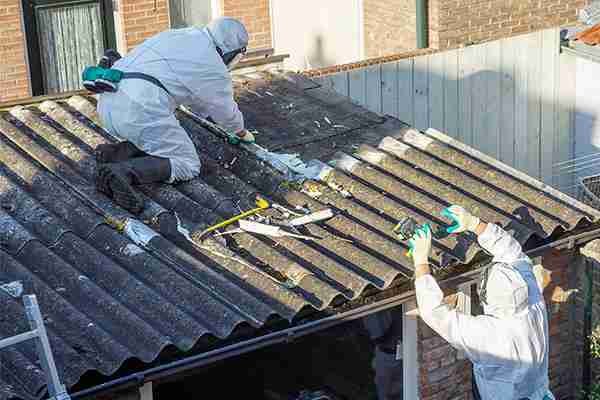
Their role begins with identifying potential asbestos-containing materials and assessing the safest way to handle them. This includes setting up controlled work areas, using protective equipment, and following strict procedures designed to prevent fibre release.
During removal, specialists isolate the area, carefully remove materials, and ensure that everything is sealed and disposed of in accordance with regulations. Afterwards, they clean and decontaminate the space so other trades can work safely.
This structured approach is similar to how hazardous materials are handled in industries such as manufacturing and healthcare. The goal is always the same: contain the risk and protect everyone involved.
Understanding what asbestos is and why it’s regulated helps explain why this level of care isn’t optional—it’s essential.
Protecting People on Site and Beyond
One of the most important roles of an asbestos removal specialist is protecting people—not just workers on site, but occupants, neighbours, and future users of the building.
Without proper removal, asbestos fibres can spread beyond the immediate work area. This can affect other trades, nearby properties, and even people who move into the space later.
Specialists help prevent this by:
- Controlling dust and debris
- Using sealed containment systems
- Following approved removal and disposal methods
- Ensuring the area is safe before work continues
In this way, asbestos removal supports not only the project at hand but the long-term safety of everyone connected to the building.
Keeping Building Projects on Track
Safety and timelines are closely linked.
Discovering asbestos partway through a renovation can cause major delays if it hasn’t been properly planned for. Work may need to stop while assessments are carried out and risks are managed.
Engaging an asbestos removal specialist early helps avoid these disruptions. They work alongside builders and project managers to plan removal efficiently, reducing downtime and preventing unexpected setbacks.
This proactive approach is common in successful projects across industries. Identifying risks early—whether financial, structural, or safety-related—keeps projects moving forward smoothly.
Supporting Compliance and Peace of Mind
Asbestos handling is regulated for good reason. There are clear rules around who can remove it, how it must be handled, and where it can be disposed of.
An asbestos removal specialist understands these requirements and ensures work is carried out in line with them. This protects property owners, builders, and developers from legal and financial consequences.
But beyond compliance, there’s peace of mind. Knowing the job has been done properly allows everyone to move forward with confidence—without lingering concerns about hidden hazards.
Residential and Commercial Projects Benefit Alike
Asbestos isn’t limited to one type of property.
In homes, it may appear during bathroom or kitchen renovations, roof replacements, or extensions. In commercial buildings, it’s often found during upgrades, fit-outs, or demolition work.
In both cases, the risks are similar—and so is the need for professional handling. An asbestos removal specialist adapts their approach to suit the scale and complexity of the project, whether it’s a single room or an entire site.
This flexibility is part of what makes their role so valuable across different types of building work.
When Expertise and Location Matter
Local knowledge can also play an important role.
Specialists familiar with regional building styles, common materials, and local regulations are better equipped to identify risks quickly and manage them effectively.
For property owners, builders, or developers planning work in Queensland, engaging an asbestos removal specialist in Brisbane later in the planning process can help ensure asbestos risks are identified early and handled safely, before they affect schedules or safety.
The aim isn’t to add complexity—it’s to remove uncertainty.
Why DIY or Unqualified Removal Isn’t Worth the Risk
Some people are tempted to handle asbestos themselves, especially on small projects. Unfortunately, this often leads to greater exposure and bigger problems later.
Without proper training, equipment, and containment measures, even minor disturbances can release fibres into the air. Once airborne, they’re difficult to control.
Professional removal isn’t just about doing the job—it’s about doing it safely, legally, and thoroughly. Cutting corners with asbestos almost always costs more in the long run.
Building Safer Spaces for the Future
The role of an asbestos removal specialist doesn’t end when the material is gone. Their work creates a safer foundation for everything that follows.
Builders can work without unnecessary risk. Property owners can renovate or occupy spaces with confidence. Future occupants are protected from exposure that they may never even be aware of.
This long-term impact is what makes asbestos removal such a critical part of responsible building practices.
A Quiet but Essential Part of Safe Building Projects
Asbestos removal specialists often work behind the scenes. Their contribution isn’t always visible once the project is finished—but its importance can’t be overstated.
By identifying risks, managing hazards, and ensuring safe outcomes, they protect people, projects, and communities.
In safe building projects, their role isn’t optional—it’s foundational. And when done properly, it allows progress to happen with confidence, clarity, and care.


