

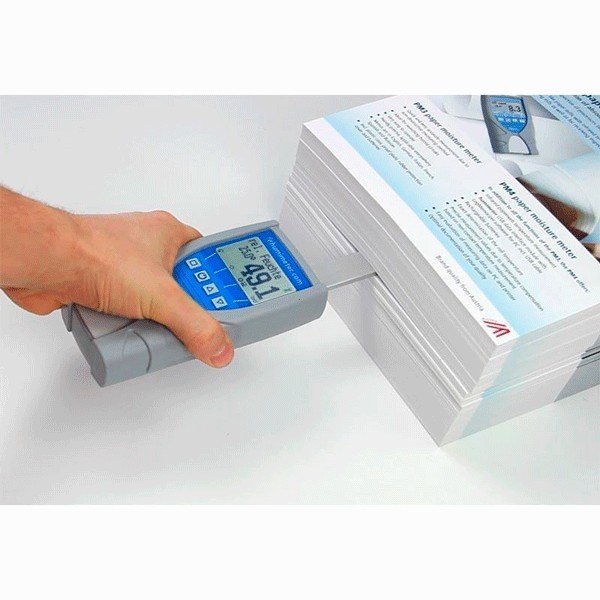
In manufacturing, precision is everything. From ensuring that materials meet the required specifications to maintaining the consistency of production processes, every detail counts. One of the most overlooked yet crucial elements in maintaining manufacturing precision is moisture content. Whether you’re working with food, pharmaceuticals, textiles, or construction materials, moisture levels can make or break the final product’s quality and integrity.
Moisture content that is too high or too low can cause a variety of issues, from spoilage and degradation to equipment malfunction and process inefficiency. This is where moisture meters come in. These tools help manufacturers measure and control moisture levels, ensuring that materials stay within optimal moisture ranges to prevent damage and maintain quality.
Table of Contents
How Moisture Meters Help Prevent Product Damage
Excessive or insufficient moisture can cause significant damage to materials throughout the manufacturing process. For instance, in the food industry, too much moisture can lead to mold, mildew, and spoilage, while too little moisture can cause products to dry out and become brittle. Similarly, in the construction industry, improper moisture content in materials like wood and concrete can affect structural integrity and finish quality.
Moisture meters help prevent these issues by:
- Providing accurate, real-time moisture measurements of raw materials and finished products
- Allowing operators to adjust drying or curing processes before product quality is compromised
- Ensuring consistency across production batches, reducing variability that could lead to defects or non-compliance with industry standards
By monitoring moisture levels at critical stages, moisture meters protect the integrity of materials and help avoid costly errors.
Maintaining Precision in Manufacturing Processes
Manufacturing processes require precise measurements to ensure consistency and product quality. Small variations in moisture content can result in significant differences in product performance, such as texture, weight, or strength. For instance, in the pharmaceutical industry, variations in moisture content can affect the dissolution rate of tablets, potentially compromising product efficacy.
Moisture meters help maintain precision by:
- Enabling consistent product quality through controlled moisture levels
- Supporting standardized processes that ensure uniformity across batches
- Allowing early detection of discrepancies, enabling timely corrective actions before defects occur
By ensuring accurate moisture readings, moisture meters support manufacturing processes that are efficient, predictable, and high-quality.
Preventing Equipment Malfunctions and Downtime
In addition to product damage, improper moisture levels can lead to equipment malfunction and downtime. For example, excessive moisture in powders or granular materials can clog processing equipment, while inadequate moisture can cause products to become too dry, leading to machine jams or breakage.
Moisture meters prevent these problems by:
- Helping to maintain optimal moisture content in materials before they enter machinery
- Supporting predictive maintenance by providing early warnings of moisture-related issues
- Reducing unplanned downtime caused by clogged equipment or material inconsistencies
By monitoring moisture in real-time, moisture meters allow manufacturers to prevent issues that could disrupt production schedules, improving overall operational efficiency.
The Role of Moisture Meters in Quality Control
In industries like food production, pharmaceuticals, and textiles, quality control is paramount. Moisture content is a critical parameter that can influence product texture, appearance, shelf life, and safety. Without accurate moisture measurement, manufacturers risk producing substandard products that may not meet regulatory standards or consumer expectations.
Moisture meters support quality control by:
- Allowing precise moisture measurements at various stages of production, from raw material to finished product
- Enabling in-process adjustments to maintain consistent moisture content across production lines
- Supporting regulatory compliance by ensuring products meet moisture-related standards
With moisture meters in place, manufacturers can ensure that their products meet both internal and external quality requirements, reducing the risk of non-compliance or customer dissatisfaction.
Reducing Waste and Improving Efficiency
Over-drying or over-humidifying materials not only wastes energy but also increases production costs and material loss. By providing accurate moisture data, moisture meters help manufacturers avoid these inefficiencies.
Moisture meters contribute to waste reduction by:
- Enabling optimal drying of materials, preventing excessive moisture loss or retention
- Supporting energy efficiency by reducing the need for prolonged drying or curing cycles
- Allowing manufacturers to adjust processes dynamically to minimize waste and reduce material costs
In this way, moisture meters play a critical role in improving the sustainability of manufacturing processes by conserving energy and reducing raw material waste.
Enhancing Product Shelf Life and Stability
In many industries, particularly food, pharmaceuticals, and chemicals, maintaining the right moisture content is essential to ensure the stability and shelf life of products. Too much moisture can lead to degradation, spoilage, or microbial growth, while too little moisture can make products dry, brittle, or difficult to handle.
Moisture meters help ensure product stability by:
- Maintaining optimal moisture content in materials and finished goods
- Monitoring humidity levels in environments where moisture content is a critical factor (e.g., storage or transportation)
- Ensuring long-term product integrity by preventing moisture-related spoilage
By using moisture meters, manufacturers can guarantee that their products remain stable, safe, and effective throughout their lifecycle.
Choosing the Right Moisture Meter for Your Needs
When selecting a moisture meter for your manufacturing process, it’s important to choose the right type based on the materials you’re working with and the specific requirements of your application. For example:
- Capacitive moisture meters are ideal for grains, powders, and other bulk materials.
- Resistive moisture meters are commonly used for wood, paper, and textiles.
- Hygrometric moisture meters work well for bulk materials like concrete and soil.
The right moisture meter will provide accurate, reliable measurements that are tailored to your operational needs, helping to improve quality control, reduce waste, and enhance the overall efficiency of your manufacturing process.
Conclusion: The Essential Role of Moisture Meters in Modern Manufacturing
Moisture meters are indispensable tools in modern manufacturing. They help prevent product damage, maintain quality control, and improve overall process efficiency. By accurately measuring and controlling moisture content, moisture meters ensure that manufacturing processes are consistent, reliable, and aligned with industry standards.
As industries continue to demand higher precision and efficiency, the role of moisture meters becomes even more critical. With the right moisture measurement tools in place, manufacturers can avoid costly errors, reduce waste, and ensure the long-term stability and success of their products.


