

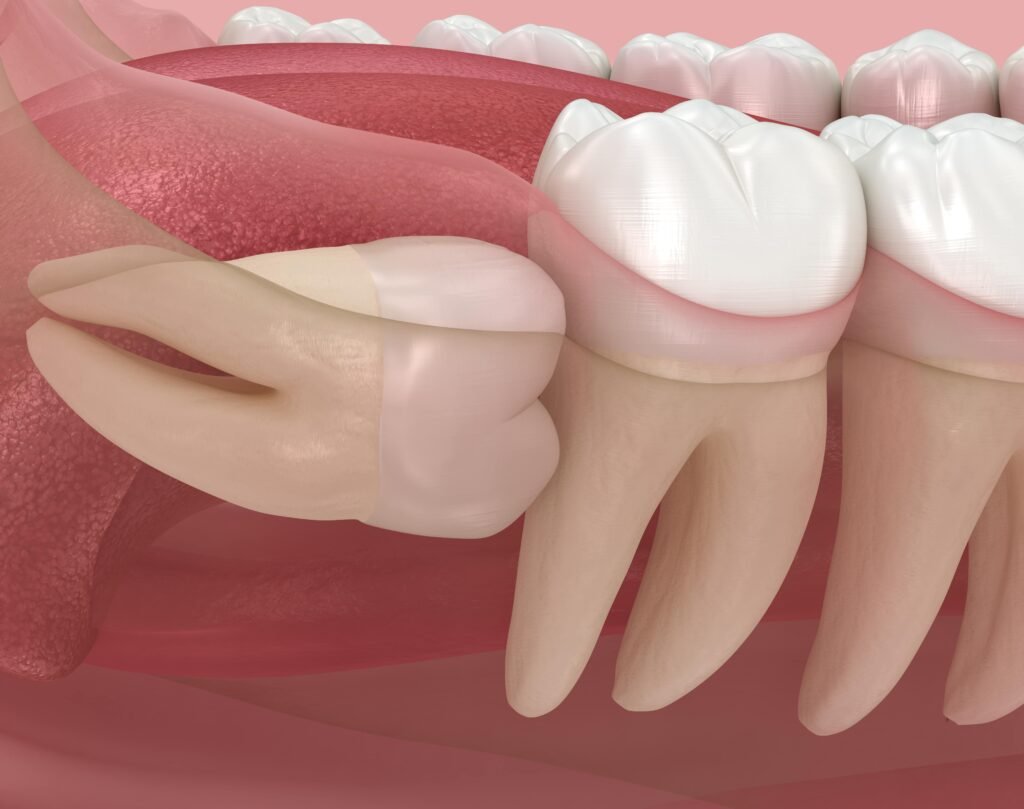
It often starts as a dull ache at the back of the mouth while eating or brushing. The discomfort may seem small at first, as though it will go away on its own. Over time, that soreness can spread, making it harder to chew on one side or even open the mouth fully.
As the pain lingers, it can begin to affect daily habits. Meals may take longer, certain foods are avoided, and even speaking for long periods can feel uncomfortable. Some people notice tension in the jaw or near the ear, which can make daily activities more difficult.
Dental pain or swelling should not be ignored, as it may be a sign of an impacted wisdom tooth, an infection, or pressure on nearby teeth. A thorough dental examination can find the cause, while professional advice on a wisdom tooth removal procedure can help prevent the problem from becoming worse. Based on the position of the tooth and the health of the surrounding area, a qualified dentist can recommend the best treatment for your condition.
Table of Contents
Everyday Habits That Influence Jaw Discomfort
Chewing more on one side of the mouth is a common response when a wisdom tooth starts to hurt. Someone may avoid biting down on the sore side and rely on the other side instead. Over time, this uneven pressure can strain the jaw, causing stiffness and discomfort that extends beyond the area around the tooth.
Clenching the jaw during stress or concentration can also worsen the discomfort. A person working at a desk may not notice they are tightening their jaw while focusing on a task. This added pressure can irritate the already sensitive area around the wisdom tooth, causing the pain to spread to the temples or lower jaw.
Small daily habits like brushing too quickly around the back teeth can make the area more sensitive. When the gum around a partially erupted wisdom tooth is already tender, rough brushing may cause slight swelling. This can create tightness along the jaw, even if the original irritation seems minor.
Strengthening the Body’s Natural Control
Body Awareness and Jaw Relaxation
The jaw is closely connected to surrounding muscles, including those in the face and neck. When a wisdom tooth becomes inflamed, these muscles may tighten to protect the painful area. Becoming aware of this tension can help reduce discomfort. For instance, gently relaxing the jaw during quiet moments, such as while sitting or reading, can prevent unnecessary strain from building up.
Simple adjustments like keeping the teeth slightly apart instead of pressed together can support this effort. Over time, consistent awareness helps the muscles stay more relaxed, which may reduce pain that spreads to nearby areas. This approach does not replace dental care, but it supports the body’s ability to manage tension while waiting for proper treatment.
Practical Adjustments for Daily Comfort
Choosing softer foods during periods of discomfort can ease pressure on the jaw. For example, switching from crunchy snacks to options like rice, soup, or steamed vegetables allows the mouth to chew more comfortably. This small adjustment fits easily into daily meals and helps prevent further irritation while the underlying issue is being assessed.
Paying attention to timing can also make a difference. Some people find that jaw discomfort becomes worse at the end of the day after repeated use. Taking short breaks from talking or chewing, especially during long work hours, gives the muscles time to rest. Even a few minutes of rest can help reduce tension and make the jaw feel more comfortable.
The Impact of Small, Consistent Changes
When small adjustments are made consistently, discomfort often becomes easier to manage. Eating becomes more comfortable, and daily tasks require less effort. The jaw feels more relaxed, and the pain may become less noticeable.
These changes also make it easier to notice patterns, such as when the pain gets worse or which activities cause it.. This awareness can be helpful during a dental consultation, allowing you to describe your symptoms and daily habits more clearly.
Wisdom tooth pain can extend beyond a single tooth because of the way the jaw muscles, nerves, and daily habits work together. By recognizing these connections and making simple adjustments, individuals can reduce strain while seeking appropriate care. Even small changes to daily habits can affect how far the discomfort spreads and make it easier to manage each day.