

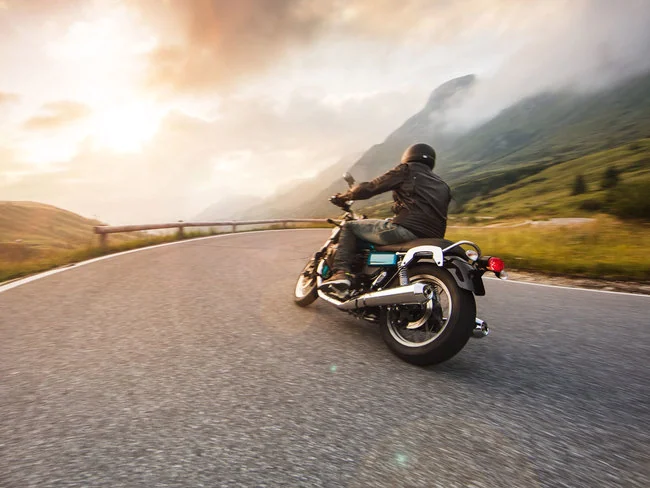
Riding a motorcycle is one of life’s great freedoms. You get that fresh air, open road, and that feeling of being fully present. But there are plenty of situations where choosing not to ride is simply the smarter, safer, or more practical option. Ignoring these can put you at risk, damage your bike, or turn what should be a fun experience into a logistical headache.
This article breaks down clear scenarios when it’s not appropriate to ride your motorcycle and what you might consider doing instead.
Table of Contents
1. Severe Weather Conditions
Rain, snow, ice, high winds, and fog drastically reduce traction and visibility. Even experienced riders struggle in conditions that make braking unpredictable or control difficult. When the forecast calls for anything other than mild weather, it might be safer to skip the ride altogether.
Alternative: Wait it out, reschedule, or use an enclosed transport service if your motorcycle needs to be moved during bad weather.
2. Poor Road Conditions
Construction zones, gravel, debris, or uneven surfaces can be treacherous on two wheels. Roads that are safe for cars might still be dangerously unpredictable for motorcycles, especially if there are sudden changes in surface quality.
Alternative: Choose a different route or ride a different day.
3. Long-Distance Moves or Cross-State Relocations
Riding your motorcycle across multiple states or during a long relocation can be exhausting, increase wear and tear, and put you at risk for fatigue-related incidents. If you’re moving for business or personal reasons and need to relocate your bike as part of that move, a long road trip on the bike isn’t always the best choice.
Alternative: Instead of riding across states, consider having your bike professionally transported. For example, if you’re heading to or from Vermont, you can use a specialized service like Shiply’sVermont motorcycle shipping to arrange secure, vetted transport for your bike. This keeps you focused on your move while your motorcycle arrives safely and on schedule.
4. Mechanical Problems or Recent Maintenance Issues
Even small issues like a slow oil leak, squeaky brakes, or a ticking engine can turn into major problems at speed or over distance. Riding when your bike isn’t intop mechanical shape increases the risk to you and your bike.
Alternative: Fix the problem first, or if you need to get the bike somewhere for service, arrange professional transport to a trusted shop.
5. Lack of Licensing or Expired Documentation
Riding without a valid motorcycle license, up-to-date registration, or insurance isn’t just inappropriate; it’s illegal in most places. Don’t gamble with fines, points on your license, or legal trouble.
Alternative: Get your documentation in order before you ride. If you need to move the bike while you sort that out, don’t risk riding unlicensed.
6. Health and Fitness Limitations
Riding a motorcycle requires physical engagement, balance, and quick reflexes. If you’re injured, dizzy, fatigued, or under the influence of medication that impairs your abilities, it’s not the right time to be on the road.
Alternative: Rest up or find another way to get your motorcycle where it needs to go.
7. When You’re Carrying Heavy or Unbalanced Loads
Strapping large bags, equipment, or other cargo to your motorcycle can alter its balance and dramatically change how it handles. If you’re carrying more than usual, especially on a long trip, riding may not be safe.
Alternative: Reduce your load or use alternative transport to get where you need to go.


