

Bolts may seem like minor components, but they hold together some of the most significant, most essential structures we rely on—buildings, bridges, machinery, and more. Yet, many bolts get weakened long before they’re ever used, simply because they aren’t stored correctly. Moisture, dirt, and improper handling can cause rust and corrosion, rendering bolts unsafe. By following innovative storage practices, you not only protect your hardware investment but also ensure the strength and durability of every project ahead.
Table of Contents
Understanding Bolt Materials
The wholesale bolts online are usually made of steel or stainless steel. All have their advantages and weaknesses. Steel bolts are strong but can rust if not correctly stored. Made of stainless steel to resist corrosion, these bolts require antagonistic handling, which is essential to ensure their resilience. The proper storage solutions rely heavily on knowing the material.
Choosing the Right Environment
An essential aspect of preventing damage is the environment where the bolts are stored. A dry, cool area is ideal. Humidity is another driving force behind rust, and regulating it is critical. Use dehumidifiers if necessary. If possible, you should also make sure that the storage area is well aerated, which helps keep fresh air flowing through and minimizes the risk of condensation forming.
Proper Organization
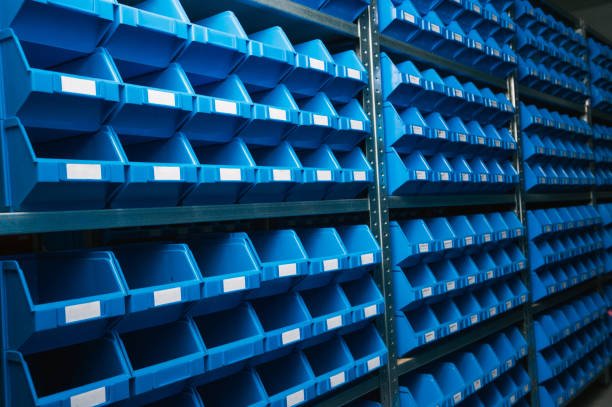
If you treat it like garbage in the storage, it will wear out and cause unnecessary wear and tear. Bolts: Store nuts and bolts in containers that are labeled and see-through and can easily contain a whole batch of the same size and type, organized by size and material. Not only will this help fetch all of them quickly, but it will also help avoid mixing different types, as that can lead to corrosion. Do not pile containers on top of one another to prevent damage from pressure.
Protective Coatings and Packaging
By using protective coatings, you can significantly increase the longevity of the bolts. Barriers Against Rust: The coating can be either zinc or phosphate. Placing them in corrosion paper or in plastic bags can help shield them from the environment. These simple things will hugely broaden the lifespan.
Regular Inspection and Maintenance
Routine inspections are vital. Inspect your stored bolts periodically to verify that they are not rusting or damaged. It helps with early treatment, so things do not get worse. Occasionally, wipe the screws with a soft cloth to remove dirt or dust. Taking this approach keeps the bolts in excellent condition.
Temperature Considerations
Bolts are also susceptible to extreme temperature conditions. Reaching extremely low or high temperatures can cause expansion and contraction over time, weakening the structure. And the way to avoid these things is to keep the temperature in the storage place stable. Insulation is also helpful when temperatures keep fluctuating.
Utilizing Desiccants
Desiccants absorb humidity and are an excellent device for bolt storage. Use dry packs as desiccants to keep humidity low in your containers and storage. This simple inclusion outperforms ecological management alone in inhibiting rust.
Avoiding Chemical Exposure
Chemicals, including cleaning agents, may cause corrosion when they come in contact with bolts. Do not store bolts near chemicals. If cleaning is required, use metal-specific products and dry the surface thoroughly to prevent moisture residue.
Importance of Inventory Management
A well-maintained inventory easily indicates how much of each item you have left, how much storage space is needed, etc. Save the status and number of bolts. By putting an expiration date on bolts that nobody can meet, it prevents older bolts from rusting away unused. You can strategize purchases; thus, good inventory management prevents overstocking or shortages.
Training and Awareness
It would be prudent to educate staff, or anyone who handles, stores, or cares for bolts. Knowing how to store their stuff ensures that everyone does things the right way. Frequent training maintained updates about the conditions with storage.
Conclusion
Proper bolt storage isn’t just about organization—it’s about protection, longevity, and performance. By keeping bolts dry, clean, labelled, and shielded from corrosive conditions, you’re setting the foundation for reliable structural integrity and smoother installations. Small actions like controlled storage environments, protective coatings, and careful handling can prevent rust, reduce downtime, and save money on replacements. With the right storage strategy, every bolt remains as strong, dependable, and safe as the day it was manufactured.


