

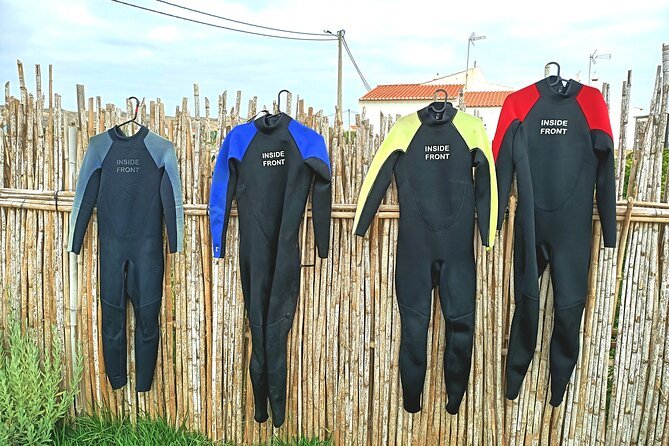
The first dive in water activities can be an exciting experience. Whether it’s surfing, snorkeling, or simply swimming in colder waters, the right gear makes the experience enjoyable. Wearing a wetsuit is essential for comfort and safety. If you are renting, here is what you need to know. Read this guide to enable you to make better decisions right before renting a wetsuit.
Table of Contents
Understanding Wetsuit Types
Affordable wetsuit rentals in San Diego offer comfort and flexibility. There are various types of wetsuits suitable for different activities in a range of water temperatures. There are short suits, full suits, and spring suits, all for multiple occasions. Shorty suits are best suited for warmer waters, covering only the upper body and thighs. A full suit offers even more coverage and is ideal for cooler climates. Be sure to choose a type that corresponds to the planned activity.
Material and Thickness
Most wetsuits are made with neoprene, a stretchy and warm material. The available thicknesses can alter the warmth or flexibility of the material. It requires insulated suits (thicker but with less mobility). More flexibility, but also less warmth, is a positive aspect of thinner suits. Consider the water temperature and the level of activity you anticipate when selecting thickness.
Fit and Comfort
Appropriate adjustment or fitting provides both comfort and functionality. Your wetsuit should be snug but not constricting. It should neither have a gap nor be too tight. Trying on different sizes is an excellent way to help find the one that fits you perfectly. A properly fitted suit prevents water from passing through and keeps the body warm.
Inspecting the Condition
When renting, inspecting the condition of the wetsuit is essential. Check for tears, shredding, or worn spots. Ensure that you inspect the seams and confirm the zippers are functioning correctly. A broken wetsuit may endanger and undermine comfort. Rental firms with a solid reputation take better care of their equipment.
Rental Cost and Duration
Track expenses and the duration of stay in the city. The prices depend on the location, the kind of jet, and the rental period, so they vary. Some places rent by the week and offer discounts. Please compare prices and plan the rental period with care. It can also be helpful to be cognizant of policies regarding late returns or damages.
Hygiene Considerations
One of the most important aspects to consider when renting a wetsuit is hygiene. Confirm that the provider complies with cleaning measures. Inquire about their sanitation methods. A wetsuit is not only comfortable, but it also lowers the risk of infection and skin irritation. Rash guards and similar items fall into the realm of personal hygiene, providing an additional layer of protection against harm.
Understanding the Rental Agreement
Going through the rental agreement will save you from trouble. Be mindful of damage, late return, and deposit clauses. A crucial step to take after handling responsibilities and liabilities is to follow the guidelines that will help you navigate the rental process smoothly. If in doubt, it is worth inquiring with the provider.
Weather and Water Conditions
The wetsuit you need depends on the local weather and water conditions. Colder climates demand thicker wetsuits. For hotter climates, opt for a lighter suit. The weather forecast, wind, and water temperature all influence a rent and can help decide what gear is most appropriate.
Return Policies and Procedures
Knowing the returns is a must; that is what you are doing to get familiar with. Know how to send back the wetsuit. In specific locations, they must be cleaned or packed before being returned. By knowing the procedure in advance, you can avoid any surprises or extra charges at the end of the day.
Additional Accessories
When renting a wetsuit, consider accessories as well; they will enhance the overall experience. Gloves, booties, and hoods are other pieces that help keep the body warm and protected while in the water. Hiring these alongside the wetsuit ensures complete coverage and comfort in many water conditions.
Conclusion
If you’re renting a wetsuit for the first time, there are a few key considerations to ensure a smooth experience. Learning about the variety of wetsuits, their materials, fit, and rental contracts all play crucial roles. By taking these points into account, people can make informed choices and thoroughly enjoy their water experience. This way, your trip is more enjoyable, whether you are an experienced aficionado or a first-time renter.


