

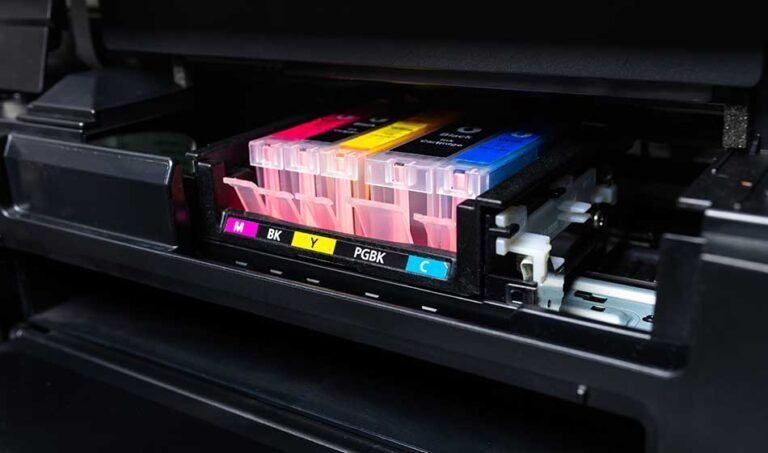
It may be simple to order printer ink for business; however, small mistakes could mean time wasted and money lost. Making the correct decisions can help boost productivity and efficiency. To help keep businesses running smoothly, this post identifies common mistakes to avoid when purchasing printer ink.
Table of Contents
Wrong Ink Type
Many offices and print businesses prefer to buy printer ink online to ensure a consistent supply and high-quality prints. Specific ink formulations are crucial for printers, and improper use can damage the equipment or result in poor-quality prints.
It is essential to understand that while dye-based or pigment-based inks are suitable for crisp text, dye-based inks are generally preferred for vibrant colors. You can easily avoid this mistake by consulting the printer’s manual or contacting the manufacturer.
Ignoring Printer Compatibility
The other two common mistakes include failing to check compatibility with a printer model. Just as different models of computers and printers require specific accessories, so do different colors of cartridges. An incompatible cartridge can create problems. Verify the model number before purchasing, and confirm that the ink is compatible with the device. It is a straightforward step that saves you time and frustration.
Overlooking Print Volume Needs
Many businesses mistake their printing volume needs. If you order too little, it can hinder your productivity, and if too much, it will be a waste. Monthly print job estimation aids in buying the optimal amount. Subscription services that track usage and automatically deliver ink when inventory is low are ideal for some businesses, providing a stable supply of ink.
Neglecting Environmental Considerations
Sustainability is becoming an integral part of business practices. People often overlook the environmental impact of their ink cartridges. Choosing remanufactured or recycled cartridges can help reduce waste while saving money. They are just as functional as brand-new options, but also help a company fulfill its sustainability goals. Sourcing from vendors engaged in sustainable practices can even be a game-changer.
Focusing Solely on Price
Price is a crucial consideration, but focusing solely on costs can lead to an uninformed decision. While inexpensive ink may be tempting, it can reduce print quality or damage the printer. This approach involves striking a balance between cost and quality to ensure that prints can meet professional standards. Steering clear of unreliable brands typically leads to better performance and fewer long-term headaches.
Disregarding Expiry Dates
Expired ink can dry up and clog; avoid printing with dried-up ink to reduce the risk of poor or uneven prints. Verify these dates during purchase and keep track of the stock quantity to ensure timely and proper utilization of the ink. Storing products based on the FIFO (first-in, first-out) method manages supplies efficiently.
Failing to Research Suppliers
A critical step is choosing the right supplier because consistent quality is only possible with a controlled manufacturing environment. Many companies tend to rely on a single vendor without conducting a thorough search for alternatives. When comparing suppliers, consider their reviews, average delivery times, and customer service. A close relationship with a trustworthy supplier ensures timely delivery and assistance when needed.
Underestimating the Importance of Storage
Ink cartridge storage is an underrated portion of keeping ink safe. Extreme temperatures or humidity can damage ink. Store cartridges in a dry, dark, and room-temperature area for the longest shelf life and optimal quality. Simple measures, such as keeping them sealed until used, can help you maintain quality.
Ignoring Print Quality Checks
Print-quality checks should be done systematically. Failure to heed them can lead to unnoticed problems that impact output. Performing test printouts and checking the same helps in the early detection of the issue. This approach maintains quality and minimizes the likelihood that minor issues will escalate into larger problems.
Conclusion
To avoid common mistakes, a comprehensive guide to ordering printer ink for business use should be followed. With an emphasis on compatibility, volume requirements, environmental impact, and supplier reliability, businesses can enhance their printing processes. Not only will that save you money, but you’ll also improve productivity and quality. Following these best practices will help guarantee that printer operations are efficient and effective.


