

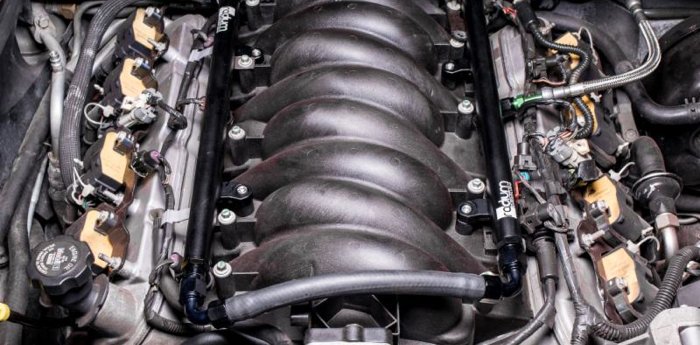
Installing aftermarket fuel rails has its purpose in making more power, but they must be closely monitored because they can leak. Anyone can successfully install a piezoelectric wireless sound level system if they follow the proper process. Below are some essential tips to help ensure that you enjoy your time without bladder leaks.
Table of Contents
Understanding the Basics
Before delving into the modification process, it’s crucial to comprehend the precise nature of a fuel rail. These containers are used to transport the fuel to the engine’s injectors. Aftermarket versions usually boost performance and efficiency. However, if not correctly installed, it can cause leakage, which can be very deadly and expensive. Upgrade performance parts effectively using a precision-machined fuel rail designed for optimal distribution.
Preparation is Key
First, you need to coordinate the assembly of tools to execute the work. These consist of the fuel rails, a set of wrenches, gloves, and goggles. Having everything within reach will save a lot of time and prevent interruptions.
Next, remove the battery to ensure there are no electrical shorts on charge. Safety, after all, comes first. Position the car on flat ground and set the parking brake.
Removing the Old Fuel Rail
Firstly, we need to release the pressure from the fuel system. It makes sense, since we don’t want fuel spraying while we are disconnected from a component. Locate the valve for relieving fuel pressure, and slowly and carefully crack it open to release the pressure.
Take off any parts blocking your access to the fuel rail. Remove any parts that are obstructing your access to the fuel rail, such as the intake manifold or throttle body. If you need to disconnect any wires or hoses, label them to facilitate easier reassembly.
When everything is clear, carefully bust the fuel rail off the injectors. Loosen the bolts that secure it using your wrench. Be gentle with the rail to avoid breaking injectors or damaging the surrounding components.
Installing the New Fuel Rail
Without the old rail, inspect the injectors and the area for wear/damage. Identify and repair any broken parts, then proceed with the following steps. Align the new fuel rail to the injectors. Be sure that it matches the mounting holes. To hold it in place, first finger-tighten the bolts. This procedure would prevent you from stripping the threads.
Ensuring a Secure Fit
After getting everything in line, use a torque wrench to torque the indicators to the manufacturer’s specs. If you do not keep it tight, it may leak, and if you tighten it too much, it will break. Hook up the fuel lines to the new rail. Verify that the fittings are securely seated and tight. These are the points where leaks usually occur; ensure that they are firmly fastened.
Testing for Leaks
It is also essential to inspect the system for leaks before reassembling other components. Reconnect the battery and turn the ignition to the accessory position without starting the engine. It will pressurize the fuel system.
Inspect for any signs of fuel leakage at all connections. A torch will help see into the problematic areas. If a leakage is found, tighten the connections and retest.
Reassembling the Engine
After confirming that no leaks are present, begin reassembling any components that were removed earlier in the process. Refer to the labels you placed during disassembly to reconnect the wires and hoses in the correct order.
Ensure all components are securely bolted down, then start the engine. Your final step should be to verify that everything has been placed correctly visually.
Final Checks and Maintenance
Run the car for a few minutes and observe the fuel rail and the surrounding area for signs of leaking fuel. Be on the lookout for anything that resembles a gas leak or unusual smells. Regular maintenance checks can prevent future problems. Check the fuel rail periodically, especially after long journeys or intensive use.
Conclusion
Installing aftermarket fuel rails doesn’t have to be complicated. By carefully attending to the details and following the steps outlined above, anyone can achieve a leak-free installation. With that in mind, the most critical elements to ensure success in any project of this kind are safety and precision. Proper preparation and execution can lead to improved engine performance.


