

Kratom has been present in the botanical supplement market for many years, but not all kratom products are the same. The range of available formats has expanded significantly, and among the most discussed are kratom extracts. These concentrated preparations differ from standard kratom powder in meaningful ways, and consumers who are considering them should understand what those differences are before making any purchasing decisions.
This content is intended for adults 21 and older. Kratom is not available in all US states, including Alabama, Arkansas, Indiana, Rhode Island, Vermont, and Wisconsin. Always check local regulations before purchasing.
Table of Contents
What Is Mitragyna Speciosa?
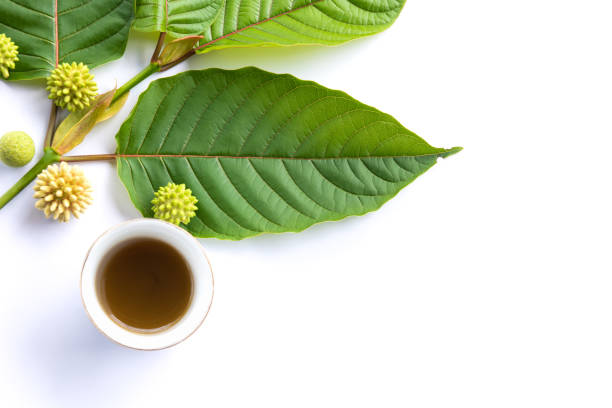
Kratom comes from the leaves of Mitragyna speciosa, a tropical tree native to Southeast Asia, particularly Thailand, Malaysia, Indonesia, and Papua New Guinea. The leaves contain alkaloids, with mitragynine being the primary active compound. Kratom has a long history of traditional use in the regions where it grows, where leaves were commonly chewed or brewed into tea.
In the Western market, kratom is typically sold as a dried powder, capsules, or liquid extract. Each format has different characteristics in terms of concentration, onset, and potency.
What Makes an Extract Different from Standard Kratom Powder?
Standard kratom powder is made by drying and grinding the leaves. Extract, by contrast, is produced by processing the leaf material to concentrate its alkaloid content. The result is a product that contains significantly more mitragynine per gram than standard powder.
Extracts are typically labeled with a multiplier, such as 10X, 60X, or 100X, though these numbers indicate relative concentration rather than a standardized potency scale. More reliable labeling includes the declared MIT percentage, which specifies the actual mitragynine content by weight. Products like those found at mitragyna speciosa extract providers include lab-tested options such as the Mit-X 60, White Diamond 100X, and Green Thai 60X, each carrying declared MIT percentages so consumers can assess potency with more precision than multiplier labels alone provide.
Full Spectrum vs. Isolate Extracts
The extraction process also influences what ends up in the final product. Full spectrum extracts aim to preserve the full range of alkaloids present in the plant material, not just mitragynine. This approach is favored by some users who believe the broader alkaloid profile produces a different experience than mitragynine alone.
Isolates, by contrast, focus on isolating specific compounds. The choice between full spectrum and isolate formats is a matter of personal preference and is worth researching before purchasing.
Lab Testing and Quality Assurance
Because the kratom market is not federally regulated in the same way as pharmaceutical products, quality and consistency can vary widely between suppliers. Reputable vendors submit their products to third-party laboratory testing, which checks for mitragynine content, heavy metals, contaminants, and microbial safety. Purchasing from a supplier that provides certificate of analysis documentation gives consumers far more confidence in what they are actually receiving.
Look for products where the declared MIT percentage is backed by lab results, and be cautious of products where potency claims are made without supporting documentation.
Frequently Asked Questions
What is mitragyna speciosa extract? Mitragyna speciosa extract is a concentrated form of kratom, produced by processing dried kratom leaf material to increase the alkaloid concentration relative to standard powder. It is typically more potent by weight than plain leaf powder.
What do the multipliers like 10X or 100X mean? These numbers indicate relative concentration, suggesting the extract has been processed from an amount of leaf material 10 or 100 times greater than the final product weight. However, these labels are not standardized across the industry. Declared MIT percentage is a more reliable indicator of actual potency.
Is kratom extract legal? Kratom’s legal status varies by location. In the United States, it is not federally controlled but is banned or regulated at the state level in several states, including Alabama, Arkansas, Indiana, Rhode Island, Vermont, and Wisconsin. Always verify local laws before purchasing.
Who should not use kratom extract? Kratom products are intended for adults 21 and older. Individuals who are pregnant, nursing, taking prescription medications, or managing a medical condition should consult a healthcare provider before using any kratom product. Kratom extracts are significantly more potent than standard powder and should be approached carefully by those new to kratom.
How do I know if a kratom extract product is quality-tested? Look for vendors that provide third-party lab results or certificates of analysis for their products. These documents should confirm mitragynine content, identify potential contaminants, and verify the product’s purity and safety profile.


