

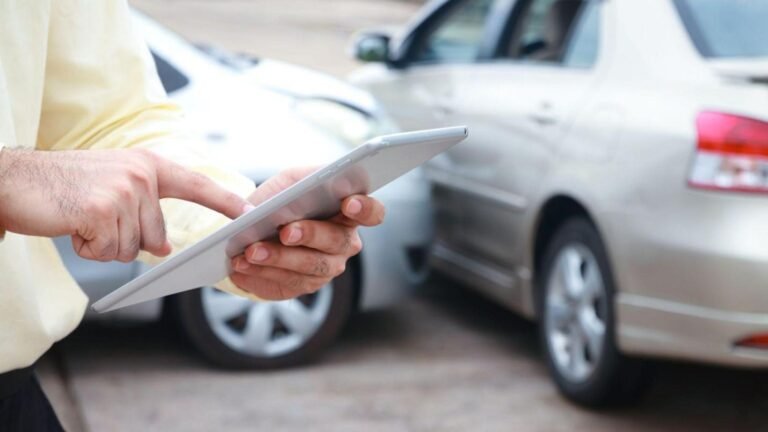
If you have ever renewed third-party insurance in a hurry, you are not alone. It is mandatory, usually the lowest-cost option, and easy to buy when comparing car insurance online. The surprise comes later, usually after a minor accident, when people realise the policy they purchased is not meant to fix their own car.
This article breaks down what it covers, what it does not, and how to determine whether it is sufficient for driving in India.
Table of Contents
What is Third-Party Car Insurance?
Third-party car insurance is liability-only insurance. It is designed to cover losses suffered by another person when you are legally responsible for an accident. The third party could be a pedestrian, another driver, or the owner of the property you damaged.
In India, this cover is mandatory for vehicles used on public roads under the Motor Vehicles Act. The underlying idea is straightforward: road accidents should not leave victims without a remedy, and drivers should have a financial backstop for liability that could otherwise be overwhelming.
What Third-Party Car Insurance Covers
Here you will explore what third-party car insurance covers:
Third-Party Injury or Death Liability
This is the heart of third party insurance. If your vehicle causes bodily injury to another road user or a fatal accident, the policy responds to your legal liability, subject to the process used to assess such claims. This applies across everyday situations, such as a collision at a junction, a pedestrian incident, or an impact with another vehicle that results in injury.
Third-Party Property Damage
Third-party cover can also pay for damage you cause to someone else’s property. That could include another vehicle, a gate, a wall, or other structures you impact. This is also where confusion begins. Property damage here means the other person’s property, not yours.
Legal Costs Related to Third-Party Claims
Third-party claims can involve formal proceedings and documentation, especially when liability is disputed. Policies are designed to address legal liability, so insurers typically manage the defence and related matters as part of the claim process, in line with policy terms.
What Third-Party Car Insurance Does NOT Cover
Here you will explore what the third-party car insurance does not cover:
Damage to Your Own Car
Third-party only cover does not include “own damage”. If your bonnet, bumper, lights, or panels are damaged in an accident, those repairs are your responsibility unless you have own-damage cover through a comprehensive policy.
Theft of your vehicle
If your car is stolen, a third-party policy will not reimburse you. Theft of your vehicle is a loss to your vehicle and requires coverage that protects it, not just your liability.
Fire, floods, earthquakes, and other natural or man-made events
Flooded streets, waterlogging, fire incidents, falling objects, vandalism, and similar events can damage your vehicle directly. Third-party cover does not address these because it is not designed to protect your own car.
Personal accident or medical bills for you (unless separately included)
A third-party policy focuses on harm caused to others. It is not a medical cover for the driver or owner. Some policies may offer personal accident cover for the owner-driver as an optional or bundled benefit, but you should not assume it is available. When you buy car insurance online, verify what is included in the schedule and what is an add-on.
Common claim rejection triggers
Third-party claims may be rejected if there’s a serious breach of law or policy, such as drunk driving, an invalid licence, unauthorised vehicle use, or other major violations. It covers genuine, lawful driving risks, not reckless or illegal behaviour.
Third-Party vs Comprehensive: When TP-Only May Be Enough (and When It Isn’t)
A third-party policy may be reasonable if you have an older car, limited use, and can absorb repair costs yourself. In that case, liability-only insurance meets the legal requirement and protects you from third-party claims, which are the most financially serious exposures.
However, if your car is newer, expensive to repair, or critical for daily commuting, third-party only can feel like thin protection. Comprehensive cover is generally better suited when you want your own car protected from accident damage, theft, and common non-collision risks.
A simple way to decide:
- If you mainly worry about what you may owe others, consider third-party help.
- If you also worry about what you may lose yourself, comprehensive is worth considering.
Conclusion
Third-party cover exists to protect you from legal liability towards others and to meet the Motor Vehicle Act coverage expectations for compulsory insurance in India. What it does not do is protect your own car from repairs, theft, or damage from floods, fire, and similar events. If you want stronger protection beyond the minimum, consider upgrading thoughtfully, and when you buy or renew third-party insurance or car insurance online, always read the policy wording and exclusions before you decide.


