

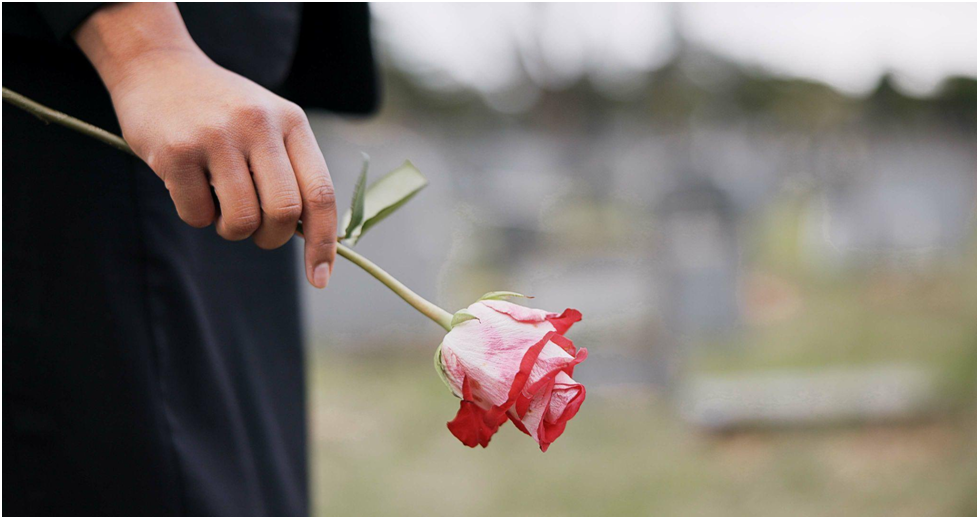
- Quiet cremation options are becoming more accepted across Australia
- The process remains respectful and professionally handled without a formal event
- Families often choose this path for emotional, financial, or personal reasons
- Ashes can still be memorialised or scattered privately, without time pressure
Funerals are often seen as a necessary step in saying goodbye, but not everyone finds comfort in tradition. Some families are quietly stepping away from formal services, opting for a path that feels more personal, private, and sometimes more fitting. A cremation without a ceremony might not look like the farewell people expect, but for many, it offers a different kind of peace.
Table of Contents
A Quiet Choice That’s Becoming More Common
If you’ve started thinking about end-of-life options that feel more private and less traditional, you’re not alone. More Australians are quietly turning away from formal funeral services, not because they don’t care, but because they want something simpler. Maybe it’s about honouring a loved one’s personality. Perhaps it’s about avoiding the spotlight when emotions are raw. Whatever the reason, skipping the formal ceremony has become a valid, thoughtful path that many families now choose without hesitation.
There’s a calm dignity in choosing stillness over ceremony. Without the pressure of guest lists or public speeches, it becomes easier to focus on what feels right. The quiet can even make space for personal reflection in ways a structured event can’t. Whether it’s a practical decision or something rooted in emotion, deciding to forgo a service doesn’t mean skipping the goodbye—it just means shaping it differently.
What the Process Actually Involves
Behind the scenes, the process of cremation without a ceremony is straightforward and handled with care and respect. Once the necessary paperwork is signed and the death is registered, the body is collected and transported directly to the crematorium for cremation. From there, the cremation is carried out by trained staff, just as it would be in a more traditional arrangement.
This type of farewell is sometimes referred to as a no service no attendance cremation, meaning there’s no formal event, no viewing, and no guests present at the crematorium. Everything takes place quietly, often with minimal delay. After the cremation, the ashes are typically returned to the family or designated person within a few days.
What surprises some people is how much flexibility remains even without a service. You can still choose a coffin or urn that feels right for you. You can request specific paperwork or ask questions about the timeline. Although the process moves efficiently, it’s not rushed. There’s room for care and detail, just without the public side of mourning.
Why Some Families Prefer This Option
Choosing a quiet cremation can feel like the right decision for several reasons. For some families, the emotional weight of organising and attending a funeral is simply too much. Grief doesn’t always follow a neat timeline, and the idea of standing in front of others to say goodbye can feel more like pressure than comfort.
Cost is another factor. Without a venue, celebrant, floral arrangements or catering, the financial load is lighter. But even when money isn’t the primary concern, many still choose this path out of respect for the person they’ve lost. If someone was private in life, it may feel more appropriate to honour them in a way that reflects that same simplicity.
Religious or cultural differences can also influence the choice. In families where beliefs vary or no specific tradition needs to be followed, skipping the formalities provides a more neutral option. It leaves space for each person to grieve and remember in their own way, without being bound to a particular structure or setting.
What Happens to the Ashes Afterwards
Once the cremation is complete, families are given the ashes, typically in a temporary container unless an urn has been chosen in advance. From that point on, what happens next is entirely up to you. Some people keep the ashes at home, finding comfort in having a physical connection close by. Others choose to scatter them in a meaningful place—by the ocean, in a garden, or somewhere the person loved.
There are also formal options available, like interring the ashes in a memorial garden or niche wall. These decisions don’t need to be made right away. One of the gentlest aspects of a cremation without a service is the time it offers. There’s no rush to organise a farewell. You can plan something small and private later, or decide not to hold any gathering at all.
For families who need space to process things at their own pace, this kind of flexibility can be quietly reassuring. It lets you honour someone’s life without the pressure of making everything happen at once.
Things to Consider Before Making the Decision
While a cremation without a ceremony can offer relief from logistical and emotional stress, it’s still important to pause and think about what matters most to the people involved. For some, not having a service may feel like something is missing later on, particularly if extended family or close friends weren’t included in the decision.
Legal steps also need to be taken into consideration. You’ll still need to complete standard documentation, like the cremation authorisation and death registration. A good provider will help guide you through this process, but it’s worth being prepared for the administrative aspects. Even without a ceremony, there are still official procedures that need to be followed.
Emotions don’t always behave the way we expect them to, either. At the moment, a simple choice might feel like the easiest one. But it’s helpful to check in with other family members. Does everyone feel comfortable with the plan? Is there a chance someone might wish there had been a farewell later on? These conversations can be difficult, but they often prevent regret down the track.
Final Thoughts
A cremation without a ceremony doesn’t take anything away from the meaning of a farewell. It simply changes the shape of it. Whether it’s about timing, emotional readiness or someone’s personal preferences, the quieter option is becoming more common—and more accepted. If it feels like the right path for your family, it’s worth knowing that there’s no wrong way to say goodbye. Just the one that fits.