

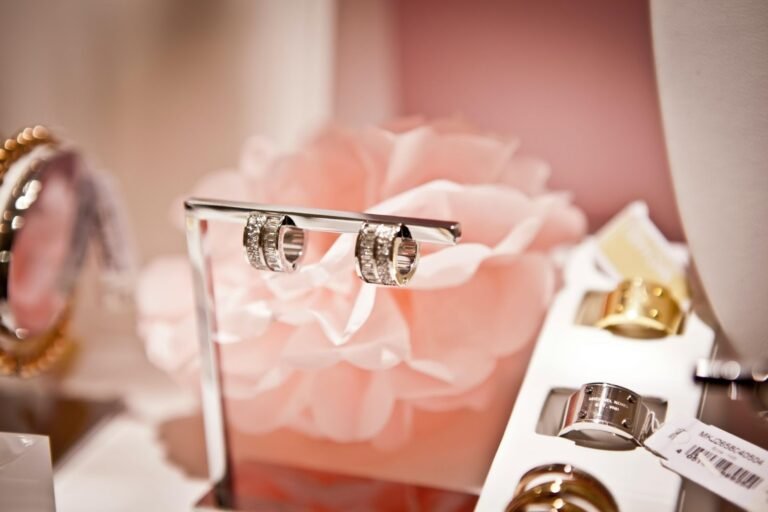
Want to shop pre-owned jewellery safely? Learn what to look for.
Buying pre-owned fine jewellery can be one of the savviest decisions a luxury shopper will make. Done correctly, it provides access to iconic pieces at a fraction of the retail price. Done poorly, it’s an expensive lesson.
Here’s the deal…
Buying secondhand luxury is huge business. The secondhand hard luxury market alone is worth more than $22 billion globally and growing 8% year-on-year (YoY). That’s faster than the luxury market overall.
With that rapid growth comes both tremendous opportunity and significant risk.
How do you make sure you’re one of the success stories?
By knowing exactly what to look for when you shop. Here’s everything you need to know about buying authenticated luxury jewellery.
Table of Contents
Why Pre-Owned Fine Jewellery Is Worth Buying
Purchasing pre-owned jewellery isn’t settling. Far from it. For more and more luxury shoppers, pre-owned is the preferred way to buy.
Why? Because top-tier jewellery from established houses such as Cartier, Van Cleef & Arpels, and Bulgari can hold value extremely well. Exceptional rare or discontinued pieces can even appreciate over time — becoming something buyers can wear and treasure but also invest in.
Don’t forget about sustainability, which is increasingly important to Millennial and Gen-Z buyers hitting luxury markets. Pre-owned extends the life cycle of these high-quality pieces (rather than creating demand for new precious metals and stones).
Then there’s the price. Buying pre owned Cartier jewellery in Dubai through a verified, authenticated luxury jewellery platform gives shoppers access to real Maison pieces at prices generally only available on the resale market. Value like that — genuine luxury brand prestige with actual rarity baked in — is almost impossible to beat at retail.
Makes you want to shop pre-owned already, doesn’t it?
Authentication: The Non-Negotiable First Step
This isn’t optional.
Fact number one about buying pre-owned jewellery: authentication is everything. Period.
Online shoppers told BCG that 74% expect brands or certified retailers to authenticate pre-owned jewellery prior to purchase. This statistic should come as no surprise, but it clearly shows what modern buyers want and what the industry needs to deliver.
If you’re buying authenticated luxury jewellery, someone should have already completed these steps:
- Gotten a gemological report from an approved body like GIA, IGI, or HRD for diamonds/stones of significance
- Performed an in-depth inspection of brand specific hallmarks and serial numbers
- Verified that metal stamps are correct and match declared purity
- Consulted available records to ensure piece matches the brand’s for that particular model
If you are purchasing pre-owned jewellery online and the seller cannot or will not provide proof of authentication, do not buy. Period.
End of story.
What Condition Really Means
Condition matters far more than most buyers realise.
One seller’s “excellent” condition jewellery may not be the same as another’s. What’s mint to them could be fair in your books. That’s why it’s critical to know the grading system, know the standard, and know who’s selling.
Buying pre-owned jewellery, you will commonly see the following condition grades:
- Unworn / Mint – Brand new. Either never worn or only worn once.
- Excellent – Shows no signs of wear. All original materials intact with no discernible flaws.
- Very Good – Minor signs of wear. Inclusion of surface scratches. Stone/settings unaffected.
- Good – Wear readily apparent. May include minor scuffs or patina from normal use. Jewellery functions as intended.
- Fair – Heavy wear. May need servicing by a professional jeweller.
For high-ticket authenticated luxury jewellery, buying pre-owned items that are graded “excellent” or better is wise. Jewellery that falls into the good-fair range can still be purchased but should come at a significantly lower price point. Buyers should carefully consider (and budget for) professional restoration before making these purchases.
Also with condition, ask for hi-res photos from the seller. Lots of them. Taken from different angles. In natural light. Every manufacturer or brand has beautiful, highly polished new jewellery in stock. If the seller is hesitant to provide detailed photography, keep scrolling.
Hallmarks, Paperwork & Provenance
Stuff that seems like ‘seller trivia’ is actually very important.
Hallmarks are stamps that are embedded in jewellery metal that confirm the purity of the item. For yellow/gold, white/platinum, and silver jewellery, this stamp is legally required in most countries. They are effectively a guarantee of metal purity.
Branded jewellery hallmarks can provide provenance too. Brands like Cartier will use custom engraving along with serial numbers to identify jewellery at the piece level. Third-party authenticators can — and do — verify an individual bracelet, necklace or ring against brand records as part of the overall authentication process.
Original paperwork and jewellery provenance can also help here:
- Original box + certificate = piece left Maison as intended
- Service records = seen by a professional jeweller
- Proof of purchase = extra level of provenance
- Independent appraisal = third-party valuation
Closer to home, jewellery photographs and the piece’s condition tell their own story. Don’t just take a seller’s word for something. Ask questions. Do your homework.
Where to Shop With Confidence
And speaking of trust…
Every jewellery resale platform is not created equal. Please repeat: not every platform was made the same.
Due to its enormous growth, the secondary market for luxury jewellery has been subject to inflated pricing, counterfeit pieces, and general customer distrust. As you shop pre-owned jewellery online, knowing who to trust is as important as knowing what to buy.
Here’s a quick list of traits that distinguish authentic resale platforms from the competition:
- Publish and adhere to a clearly documented authentication process. It’s not a marketing buzzword.
- Offer independent third-party authentication and verification of stones/gems.
- Have transparent return and customer dispute policies.
- Provide detailed jewellery provenance and history on each piece.
- Have knowledgeable support staff to help with any technical questions pre-purchase.
Region specific knowledge is important too. Certain geographic markets like the UAE — Dubai especially — have become hotbeds for authenticated pre-owned jewellery. Local buyers benefit from platforms that not only adhere to strict verification processes but have built robust inventories of vintage brands.
Growing demand for authenticated pre-owned jewellery has forced sellers to up their game. Buyers have spoken, and the market has responded with a higher overall standard.
Final Thoughts
Buying pre-owned jewellery isn’t difficult. It does however take effort.
Know authentication happens first. Know the condition grading scale. Ask about hallmarks, paperwork, and most importantly know who you’re buying from.
Once you do that, the world of pre-owned luxury jewellery is your oyster. Tons of potential icons at prices that can’t be beat anywhere else.
Shop smart, and you’ll never have to buy new again.


