

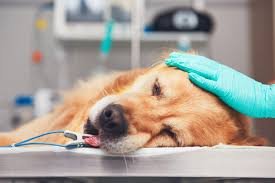
For pet owners, the prospect of pet emergencies is a terrifying reality. Every year, thousands of pets are rushed to emergency rooms for immediate care, with conditions ranging from traumatic injuries to sudden illnesses. Quick and effective intervention can mean the difference between life and death, making the timely delivery of expert emergency care vital.
Understanding the significance of high-quality emergency veterinary care can empower pet owners to make life-saving choices for their furry friends. Below, we delve into recognizing pet emergencies, evaluating service quality, the impact of prompt care, and preparing for unexpected health crises.
Table of Contents
Recognizing Pet Emergencies: Quick Response Can Save Lives
Identifying a pet emergency requires keen observation and knowledge. Signs such as difficulty breathing, excessive bleeding, or sudden paralysis may indicate a critical situation that necessitates immediate attention. Emergency veterinary teams are trained to handle such acute crises with speed and competence.
According to the American Veterinary Medical Association, incidents like chocolate ingestion or exposure to toxic substances are common emergencies. In these cases, every minute counts, as the toxic effects can rapidly progress in an animal’s body.
Pet owners should familiarize themselves with their local emergency clinics and the signs of distress in pets. Immediate action can prevent further harm and increase the chances of recovery, so having emergency numbers and directions handy is advisable.
Evaluating Pet Emergency Services: What to Look For
Choosing the right emergency service for your pet is as critical as the decision to seek care. Quality emergency services should boast highly qualified veterinarians, around-the-clock availability, and a complete array of diagnostic tools to swiftly identify and treat pet emergencies.
Good facilities also maintain a calm and controlled environment, which is conducive to both pet recovery and owner reassurance. Reference testimonials and emergency service reviews often highlight the cleanliness of the facility, the professionalism of the staff, and the clear communication from veterinary professionals.
When evaluating services, consider the proximity to your residence, the breadth of services offered, and the facility’s protocol for follow-up care. This will ensure that your pet receives comprehensive treatment and support during and after the emergency.
Timely Treatment: How Speed Influences Outcomes in Pet Emergencies
The speed at which pets receive emergency care significantly affects their prognosis. In a critical condition, a delay of even a few minutes can reduce the possibility of a full recovery or, in worst-case scenarios, lead to mortality.
Statistics reveal that immediate resuscitation efforts in cases like cardiac arrest in pets enhance the chances of survival by 60%. Moreover, rapid administration of antivenom can be lifesaving for pets bitten by venomous snakes or insects.
Pet owners should create a readiness plan that includes identifying the quickest route to an emergency clinic. Pre-loading your pet into a carrier for swift departure and designating a pet-friendly transportation option can also speed up the process of getting your pet the help they need.
Preparing for the Unexpected: Building a Plan for Pet Emergency Care
Preparation is key when facing potential pet emergencies. Creating an emergency plan involves identifying a trusted emergency clinic ahead of time, having a pet first aid kit at the ready, and ensuring that all family members are aware of the steps to take during a crisis.
Scheduled training sessions on basic animal first aid can equip pet owners with life-saving skills such as CPR or wound management, improving outcomes until professional help is reached. Additionally, setting aside funds or obtaining pet insurance can alleviate financial stresses associated with emergency care.
Ultimately, a pet’s life may depend on the immediacy and quality of the emergency services rendered. Educating yourself on recognizing emergencies, assessing service quality, ensuring prompt treatment, and having a solid emergency plan provides the best chance for a favorable outcome. A pet’s health is a weighty responsibility, but with the right preparation and knowledge, you can be ready for any eventuality.


