

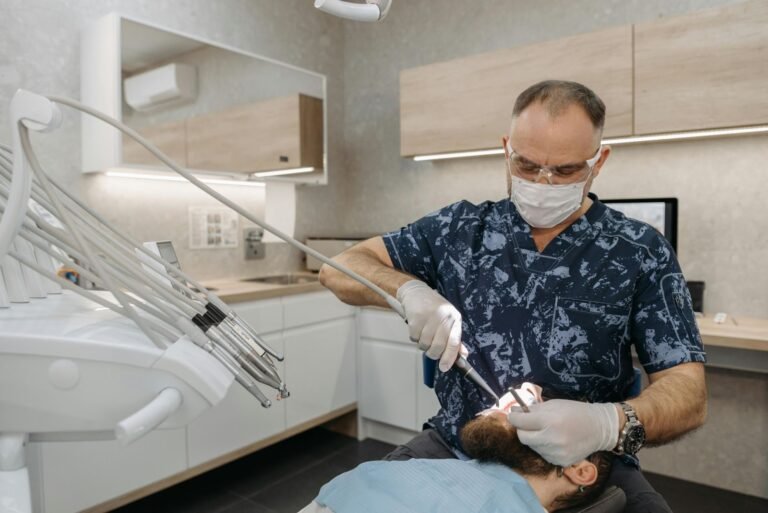
If you’re considering dental implants in Las Vegas, understanding whether you’re a suitable candidate is essential. Your overall health, jawbone density, and gum condition all play significant roles in implant success. Even lifestyle factors like smoking can impact healing and long-term results. Before proceeding, a thorough evaluation is necessary to determine if implants are the right solution for you—and what steps might be needed to improve your chances.
Table of Contents
Understanding Dental Implants and Their Benefits
Although dental implants have become a common solution for tooth replacement, understanding their structure and benefits is essential before deciding if they’re right for you. Dental implant types primarily include endosteal (in the bone) and subperiosteal (on the bone) implants, each suited for different clinical scenarios. The implant procedure steps generally start with a thorough evaluation, followed by surgical placement of the titanium post into the jawbone. After osseointegration—where the bone fuses with the implant—a connector is attached, and finally, a custom-made crown is secured. Implants offer superior stability and longevity compared to traditional dentures or bridges, preserving jawbone integrity and restoring natural function. By grasping these technical details, you can make an informed choice about pursuing implant therapy tailored to your dental needs.
Health Conditions That Affect Implant Eligibility
While dental implants offer many advantages, not everyone is an ideal candidate due to certain health conditions that can impact the success of the procedure. If you have diabetes, effective diabetes management is vital because poorly controlled blood sugar levels can impair healing and increase infection risk. Similarly, heart health plays a significant role; cardiovascular diseases and medications like blood thinners may complicate surgery and recovery. Conditions that weaken your immune system or affect bone healing also influence implant eligibility. It’s important to undergo a thorough medical evaluation so your dental specialist in Las Vegas can assess these factors and help you explore affordable dental implants in Las Vegas that suit your needs while ensuring safety and long-term success. Addressing these health issues beforehand improves outcomes and reduces complications.
Importance of Jawbone Density and Volume
Your jawbone’s density and volume play an essential role in determining the success of dental implants, as they directly affect implant stability. We’ll assess your bone quality to guarantee it can support the implant securely. If necessary, bone grafting procedures may be recommended to enhance the bone structure before implantation.
Assessing Bone Quality
Because successful dental implants rely heavily on the stability of the jawbone, evaluating bone quality is a critical step in determining your suitability for the procedure. Your bone health directly influences how well the implant will integrate and endure over time. To accurately assess this, your dental specialist will use advanced imaging techniques such as cone beam computed tomography (CBCT) scans. These provide detailed, three-dimensional views of your jawbone’s density and volume, allowing precise measurement of the available bone. If the bone quality is insufficient, additional treatments like bone grafting might be necessary before implant placement. Understanding your jawbone’s condition guarantees that you receive the most appropriate and effective dental implant treatment tailored to your specific anatomical needs.
Impact on Implant Stability
Although dental implants have become a reliable solution for tooth replacement, their long-term success largely depends on the density and volume of your jawbone. Adequate bone density provides the necessary support to anchor the implant securely, directly influencing implant longevity factors. Insufficient bone volume can compromise primary stability, increasing the risk of implant failure. Stability assessment techniques, such as resonance frequency analysis and radiographic evaluation, help determine if your jawbone can support an implant. Understanding these factors guarantees your implant integrates properly with the bone, promoting durability. Key considerations include:
- Bone mineral density measurements
- Cortical bone thickness
- Trabecular bone quality
- Jawbone volume adequacy
- Osseointegration potential
Evaluating these guarantees a stable foundation critical for implant success.
Bone Grafting Considerations
When jawbone density and volume aren’t sufficient to support dental implants, bone grafting becomes a critical consideration. You need an adequate jawbone structure to guarantee implant stability and long-term success. Bone grafting techniques vary based on your specific needs, including autografts, allografts, xenografts, and synthetic materials. Each method utilizes different bone grafting materials to promote new bone growth and restore volume. Your oral surgeon will assess the extent of bone loss and recommend the most suitable approach. Proper integration of the grafted bone is essential before implant placement can proceed, typically requiring several months of healing. Understanding these bone grafting considerations helps you prepare for a successful dental implant procedure in Las Vegas, especially if your natural jawbone doesn’t initially meet the necessary criteria.
Impact of Gum Health on Implant Success
Your gum health plays a critical role in the success of dental implants, as healthy gums provide the necessary support and protection for the implant site. If gum disease is present, it can lead to inflammation and bone loss, increasing the risk of implant failure. Maintaining good oral hygiene and preventing gum disease are essential steps to guarantee long-term implant stability.
Healthy Gums Importance
Gum health plays a critical role in the success of dental implants, as healthy gums provide the necessary support and stability for the implant to integrate properly with the jawbone. If your gums are compromised by gum disease, the risk of implant failure increases considerably. Maintaining ideal gum health helps prevent inflammation and bone loss around the implant site, ensuring long-term durability. Key factors that highlight the importance of healthy gums include:
- Prevention of peri-implantitis, an infection affecting implant stability
- Promotion of osseointegration between implant and bone
- Reduction of bacterial colonization around the implant
- Preservation of surrounding bone and soft tissue integrity
- Enhancement of overall oral hygiene and implant maintenance
Preventing Gum Disease
Although dental implants offer a durable solution for tooth replacement, preventing gum disease is essential to guarantee their long-term success. Your implant’s stability depends heavily on maintaining peak periodontal health, as gum disease can lead to bone loss and implant failure. Consistent gum care, including professional cleanings and diligent oral hygiene, reduces bacterial buildup that threatens implant integration. You should monitor for early signs of gum inflammation, such as redness or bleeding, and seek prompt treatment if detected. By prioritizing gum health and following your dentist’s recommendations, you’ll protect your investment and guarantee your dental implants remain functional and secure for years. Proper gum care isn’t just recommended—it’s fundamental for implant longevity and overall oral wellness.
Age Considerations for Dental Implant Candidates
While age itself isn’t a strict limitation for dental implants, certain age-related factors can influence your candidacy. Pediatric candidates typically aren’t ideal because their jawbones are still developing, which may affect implant stability. On the other hand, senior considerations include evaluating bone density and overall health, as these can impact healing and integration of implants. Your dentist will assess these factors carefully to determine suitability.
Key age-related considerations include:
- Jawbone maturity in pediatric patients
- Bone density loss commonly seen in seniors
- Presence of chronic illnesses affecting healing
- Medication use that may interfere with osseointegration
- Ability to maintain oral hygiene post-implant
Understanding these elements will help you and your provider decide if dental implants are a viable and safe option for you.
Lifestyle Factors That Influence Implant Outcomes
Because your daily habits directly affect healing and long-term success, lifestyle factors play an essential role in dental implant outcomes. Your lifestyle habits, including smoking and alcohol consumption, can impair bone regeneration and increase the risk of implant failure. It’s important to minimize or eliminate these behaviors before and after the procedure. Additionally, your dietary choices influence implant integration; a balanced intake of nutrients like calcium, vitamin D, and protein supports bone health and tissue repair. Conversely, excessive consumption of sugary or acidic foods may compromise healing. Understanding how these lifestyle factors interact with your implant’s biological environment helps you optimize recovery and maintain implant stability. Consulting with your dental specialist about modifying lifestyle habits guarantees you become a good candidate for successful dental implants in Las Vegas.
Role of Oral Hygiene in Maintaining Implants
A strong oral hygiene routine is essential for maintaining the health and longevity of your dental implants. Proper implant maintenance helps prevent peri-implantitis, a common cause of implant failure. You’ll need to be diligent in cleaning around the implant to avoid plaque buildup and inflammation.
Key practices for effective oral hygiene and implant maintenance include:
- Brushing twice daily with a soft-bristle toothbrush
- Using low-abrasive toothpaste to protect implant surfaces
- Flossing daily with implant-specific floss or interdental brushes
- Rinsing with an antimicrobial mouthwash as recommended
- Scheduling regular dental check-ups and professional cleanings
Smoking and Its Effect on Dental Implant Success
Since smoking greatly impairs blood flow and slows healing, it can drastically reduce the success rate of dental implants. Nicotine effects constrict blood vessels, limiting oxygen and nutrient delivery essential for osseointegration—the process where the implant fuses with bone. This impaired healing increases the risk of implant failure and postoperative complications such as infection. If you’re a smoker considering dental implants, smoking cessation is strongly recommended before and after the procedure to enhance healing outcomes. Quitting smoking improves tissue regeneration and reduces inflammation, considerably increasing implant success rates. Your dental surgeon will assess your smoking habits during evaluation and may suggest tailored strategies to support cessation. Understanding these risks helps guarantee you make informed decisions and optimize the longevity of your dental implants.
Evaluating Bone Grafting as a Solution for Insufficient Bone
When your jawbone lacks sufficient density or volume, bone grafting can provide a viable foundation for dental implants. This procedure enhances the bone structure, allowing implants to anchor securely. Various bone grafting techniques are available, tailored to your specific needs and bone condition. Selecting appropriate grafting materials, such as autografts, allografts, xenografts, or synthetic options, influences healing and integration success.
Key considerations include: – Type of bone grafting technique suitable for your defect – Source and biocompatibility of grafting materials – Healing time required before implant placement – Potential risks and complications associated with grafting – Long-term stability and impact on implant success
Understanding these factors helps you determine if bone grafting is an effective solution to support your dental implants.
Consultation and Assessment Process for Implants in Las Vegas
When you come in for a dental implant consultation in Las Vegas, the process begins with a thorough health evaluation to identify any medical conditions that might affect healing. Next, precise bone density measurements are taken using advanced imaging to determine if your jawbone can support implants. This assessment guarantees a tailored treatment plan that maximizes your chances for successful implant integration.
Initial Health Evaluation
Although dental implants have become a reliable solution for tooth replacement, your journey begins with a thorough initial health evaluation. This step guarantees you’re an appropriate candidate by reviewing your dental history and conducting a detailed medical evaluation. Your dentist will assess oral health, identify any underlying conditions, and determine if you can safely undergo implant surgery.
During this evaluation, expect the following:
- Detailed review of your past dental treatments and current oral health
- Assessment of systemic health factors such as diabetes or cardiovascular disease
- Evaluation of medications that may affect healing or bone integration
- Identification of any infections or gum disease requiring treatment
- Discussion of lifestyle habits like smoking that could impact success
This process is critical for tailoring a safe, effective implant plan.
Bone Density Measurement
After your initial health evaluation confirms you’re a suitable candidate, the next step involves measuring your bone density. This assessment is vital because sufficient bone density guarantees implant stability and long-term success. In Las Vegas, dental professionals use advanced measurement techniques such as cone beam computed tomography (CBCT) scans to obtain detailed 3D images of your jawbone. These scans provide precise data on bone volume and quality, enabling your dentist to determine if your jaw can support an implant or if bone grafting is necessary. Accurate bone density measurement techniques help tailor the implant procedure to your specific anatomy, minimizing complications and enhancing outcomes. Understanding your bone density status allows you and your provider to make informed decisions throughout the implant process.
Frequently Asked Questions
How Long Does the Dental Implant Procedure Take From Start to Finish?
The implant timeline typically spans 3 to 6 months, covering procedure stages like consultation, implant placement, healing, and abutment attachment. You’ll undergo careful monitoring to guarantee successful osseointegration before final restoration.
Are Dental Implants Covered by Insurance in Las Vegas?
Insurance coverage for dental implants in Las Vegas varies widely, so you’ll want to review your specific plan. Many policies limit dental expenses, often excluding implants, meaning you may need to explore supplemental insurance or financing options for full coverage.
What Types of Anesthesia Are Used During Dental Implant Surgery?
During dental implant surgery, you’ll typically receive local anesthesia to numb the area. Depending on your comfort level, various sedation options—like oral sedation or IV sedation—can be used to help you stay relaxed throughout the procedure.
Can Dental Implants Be Used to Replace Multiple Missing Teeth?
Yes, dental implants can replace multiple missing teeth. You’ll appreciate implant benefits like durability and bone preservation. With multiple options—single implants, bridges, or implant-supported dentures—you can restore function and aesthetics effectively and reliably.
How Soon After Tooth Extraction Can I Get Dental Implants?
You can usually get dental implants a few weeks to several months after tooth extraction, depending on your healing process. Proper bone and gum healing is essential to guarantee implant stability and long-term success.


