

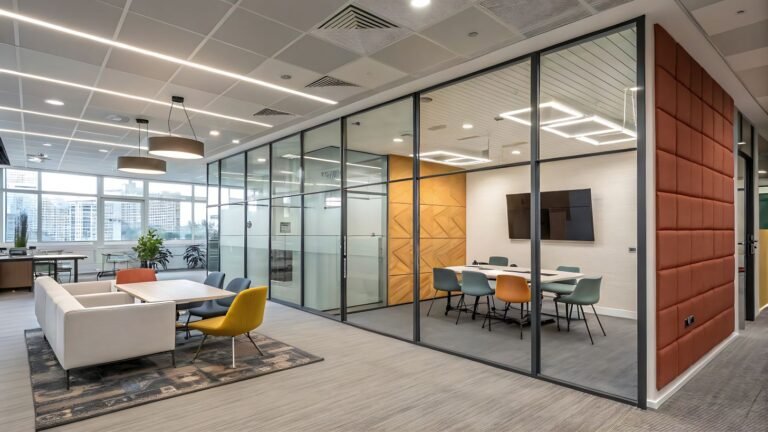
In today’s commercial spaces, sound has become one of the most overlooked challenges affecting how people work. Step into a modern office and you’ll likely notice two things at once. The space looks sleek and collaborative, but it rarely sounds calm. Phones ring, conversations overlap, equipment hums, and footsteps echo across hard surfaces.
This growing awareness explains why commercial soundproofing is no longer viewed as a specialist add-on. Instead, it’s being treated as a core element of workplace quality. Businesses are realizing that if they want people to perform well, feel comfortable, and stay safe, sound must be managed just as carefully as lighting or layout.
Table of Contents
The Open-Plan Problem You Didn’t Sign Up For
Open-plan offices were intended to enhance collaboration, but they also introduced persistent noise issues. Without enough physical barriers, everyday sounds bounce freely, allowing sound waves to travel far beyond their source. What begins as a quick discussion can easily distract dozens of people nearby.
Many organizations attempt temporary fixes, such as desk reshuffling or sound masking, hoping that background noise will make conversations less noticeable. While this can help slightly, it doesn’t change how the space behaves acoustically. This common challenge is exactly where Quash soundproofing and similar companies have gained traction, as they focus on structural acoustical solutions that reduce noise at its origin rather than disguising it.
Why Noise Control Is Now a Business Priority
Noise control has shifted from a comfort issue to a measurable business concern. Constant interruptions reduce concentration, increase fatigue, and make tasks take longer than they should. In spaces such as conference rooms, poor acoustics can undermine decision-making, client confidence, and team alignment.
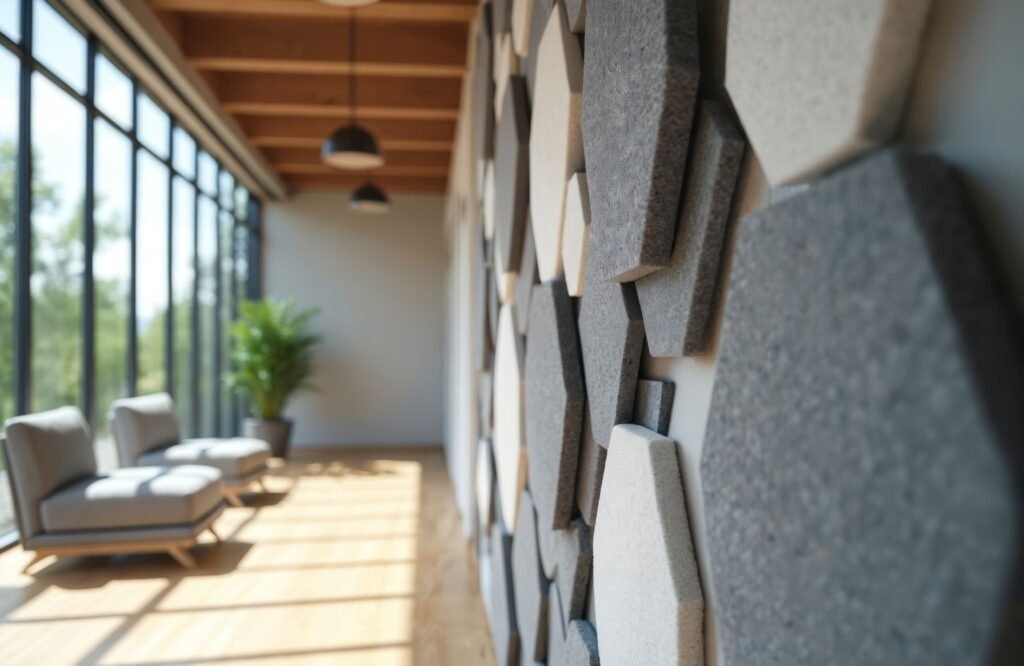
To address this, many companies install acoustic panels or absorptive panels designed to manage reflections and minimize noise. These systems reduce echo and improve speech clarity without requiring major renovations. Well-placed sound absorption panels can dramatically improve how a room feels, especially when combined with a well-chosen soundproofing product that complements the existing design rather than overpowering it.
Safety, Performance, and the Hidden Risks of Noise
Excessive noise negatively affects performance and may increase the risk of accidents, particularly where workers rely on verbal cues, alarms, or situational awareness to stay safe.
This risk is especially evident in manufacturing plants, where impact noise from machinery, dropped materials, or vibrating surfaces can overwhelm the senses. In these environments, layered approaches using soundproofing barriers and resilient flooring underlayments work best. So does specialized soundproofing insulation that incorporate polyethylene foam or acoustic glass mineral wool, to help control vibration and airborne noise. These measures significantly improve acoustic comfort while supporting safer working conditions.
How Materials Are Shaping Better Acoustic Outcomes
Modern soundproofing methods rely less on brute thickness and more on intelligent use of building materials. Instead of building heavier walls, designers focus on combining layers that work together to reduce transmission and resonance.
A well-designed system often includes a sound-absorbing core that tackles mid- and high-frequency noise. For example, interior walls may include dampening drywall layers paired with acoustic interlayers, boosting overall performance and improving the STC rating (sound transmission class). Materials such as mass-loaded vinyl add density, while acoustic foam helps manage reflections.
To maintain aesthetics, these systems are finished with acoustic fabric or manufactured as polyester felt panels, ensuring performance doesn’t come at the cost of visual appeal.
Designing Sound Control Into the Space
Effective sound management works best when it’s planned from the beginning. Today’s office design and layout strategies increasingly consider how spaces will be acoustically treated over time, rather than relying on after-the-fact fixes.
Ceilings play a key role, with tailored ceiling solutions absorbing overhead reflections. Additional measures, such as soundproof curtains, acoustical sealant, and careful detailing around HVAC vents, prevent noise leakage between rooms. Even the treatment of exterior walls, the use of double-glazed glass, and attention to glass thickness level contribute to both noise reduction and improved thermal insulation.
Custom Solutions vs. Quick Fixes
While off-the-shelf products may solve small issues, they often fall short in complex or high-demand environments. Spaces with mixed uses, variable occupancy, or strict privacy needs benefit more from proprietary products developed for specific acoustic challenges.
A professional soundproofing company typically begins with an acoustic design consultation, where experienced acoustical engineers assess how sound behaves within the space. From there, they design tailored sound isolation systems that balance noise cancellation, targeted absorption, and long-term durability. This approach ensures results are measurable and sustainable, not just noticeable on day one.
Sustainability Meets Sound Control
Sustainability is another factor driving adoption. Many modern sound control systems now incorporate recycled materials, reducing environmental impact without compromising performance.
High-quality acoustic solutions increasingly align with green building goals, allowing businesses to enhance comfort while meeting sustainability targets. This combination of performance and responsibility makes acoustic investment easier to justify at both operational and strategic levels.
Why the Trend Isn’t Slowing Down
As work patterns evolve, expectations change. Employees want environments that support concentration, collaboration, and well-being. When noise is controlled through thoughtful acoustic treatment and well-integrated design, spaces feel calmer and more purposeful.
The result is not silence, but balance. A workplace where sound supports productivity rather than undermining it.
A Quieter Workplace Is a Smarter One
Sound shapes how people experience work, whether they notice it or not. By investing in layered, well-planned sound control, businesses create environments that promote focus, safety, and comfort at the same time.
That’s why commercial soundproofing isn’t just rising; it’s becoming essential. And once it’s done right, the difference speaks for itself.


