

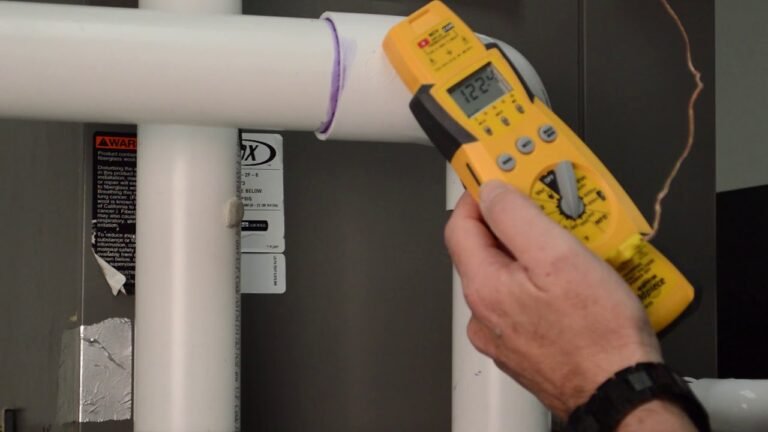
A single temperature reading can be useful, but it rarely tells the whole story of how an HVAC system performs. Heating and cooling are dynamic processes, and many problems only appear after the system has been running for several minutes, after it cycles off, or after the house begins to absorb or release heat. That is why HVAC contractors often measure temperature rise and temperature drop over time rather than relying on a quick “in and out” check. Tracking the pattern reveals how fast the system ramps up, whether the output stays steady, and how the home responds once the equipment stops. These time-based measurements can uncover airflow restrictions, staging issues, refrigerant problems, and building load challenges that a snapshot would miss. The goal is to connect comfort complaints to repeatable data, so the fix targets the cause instead of treating symptoms.
What Time-Based Measurements Reveal
- Seeing the Difference Between Start-Up and Steady Operation
When an HVAC system starts, it does not immediately reach stable performance. In cooling mode, the indoor coil may take several minutes to cool enough to pull heat and moisture effectively. In heating mode, the heat exchanger or heat pump cycle must stabilize before supply air temperatures reflect true output. Contractors measure temperature change over time to separate normal start-up behavior from early warning signs. If the supply temperature rises slowly and never reaches a stable range, that can suggest low airflow, weak heat production, or control settings limiting capacity. If it rises quickly but then fades, that can point to staging problems, sensor errors, or safety limits being triggered. Time-based measurement also helps contractors confirm whether the thermostat cycle timing matches the equipment’s design. A short cycle can look “fine” for a minute, then fail to sustain comfort. By watching the curve, contractors can identify whether the system is ramping properly, holding output, and delivering consistent performance beyond the first few minutes.
- Diagnosing Airflow Restrictions Through Temperature Curves
Airflow is closely tied to temperature rises and drops, and the pattern over time can hint at restrictions that are not obvious at a glance. In cooling, low airflow can cause the coil to get too cold, potentially leading to icing, while the supply air may start very cold and then become erratic as airflow drops further. In heating, restricted airflow can produce an unusually high temperature rise that looks impressive at first, but it can also stress the system and trigger protective limits. Contractors track how quickly temperatures change, whether the curve is smooth, and whether it stabilizes at the right level. A clogged filter, a dirty blower wheel, a crushed flex duct, or an undersized return can all change the time profile. One location example fits naturally because climate affects how these patterns present: In Sulphur, LA, high humidity can make airflow problems show up as slow cooling recovery and lingering indoor moisture even when supply air initially feels cold. Watching the temperature trend helps contractors decide whether the solution is cleaning, airflow adjustment, duct repair, or a deeper equipment check.
- Confirming Refrigerant and Heat Transfer Performance
In air conditioning, temperature drop over time is closely tied to how effectively the refrigerant circuit absorbs heat indoors and rejects it outdoors. Contractors often measure the temperature difference between return air and supply air, but they also watch how that difference evolves during a run cycle. A system with low refrigerant charge or a restriction may start with a modest temperature drop and then struggle to deepen or hold it. A dirty indoor coil may show a delayed response, while an outdoor coil that cannot reject heat may cause performance to weaken as the run continues and pressures rise. By tracking the temperature curve, contractors can tell whether the system is gaining strength as it stabilizes or losing strength as it heats up. This approach pairs well with pressure readings and line temperatures because it adds a real-world view of what the home receives at the vents. Time-based temperature tracking helps contractors avoid misdiagnosis, since two different problems can produce similar snapshot readings but very different trends over ten to fifteen minutes.
- Understanding Staging and Modulation Behavior
Many modern systems do not operate at one fixed output. Two-stage, variable-speed, and modulating systems adjust capacity to match demand, and those changes are clearly reflected in temperature trends. Contractors measure rise and drop over time to confirm that the equipment is shifting stages when it should and that airflow is adjusting appropriately. If a system is stuck in a low stage, it may run quietly and steadily but never deliver enough cooling or heating during peak conditions. If it jumps to a high stage too quickly, it may short-cycle and struggle with humidity control. Time-based measurements help contractors see these behaviors without guessing. For example, a smooth temperature curve that slowly increases during heating might indicate proper modulation, while a sawtooth pattern could indicate cycling caused by thermostat placement or control errors. Contractors also verify that fan speed changes align with staging, because mismatched airflow can flatten the temperature curve and reduce comfort. Measuring over time turns a “does it run” check into a “does it behave correctly” evaluation.
- Separating Equipment Output From Building Response
Even if the HVAC system produces strong supply air temperatures, the home may not respond well if the building load is high or heat is moving in unwanted ways. Contractors measure temperature rise and drop over time to compare equipment output with changes in room temperature and recovery speed. If supply air stays strong but the house temperature barely moves, that may point to duct leakage, poor insulation, excessive infiltration, or large solar gain. If the house cools quickly but warms back up immediately after shutoff, that can indicate low thermal mass, air leaks, or a thermostat location that does not reflect the hottest zones. Trend measurements also help identify whether certain rooms lag behind due to airflow distribution issues. Contractors may take time-based readings at multiple registers and compare them to return air to see how different zones behave during the same cycle. This approach helps homeowners understand why the system can feel like it is “working hard” yet comfort remains inconsistent, because the data shows whether the limiting factor is the equipment or the building.
- Post-Cycle Temperature Changes Reveal Hidden Issues
What happens after the system turns off can be just as informative as what happens during operation. In cooling, a temperature rebound after shutoff can indicate how quickly heat is entering the home or whether the duct system is located in a hot attic, where air sitting in the ducts between cycles warms. In some cases, the first air delivered at the next cycle can be warmer because the ducts absorbed attic heat, creating a brief “warm blow” effect. In heating, a rapid drop in room temperature after shutoff can indicate drafts, insulation gaps, or zoning imbalances that prevent heat from spreading evenly. Contractors measure these post-cycle changes to understand comfort complaints, such as “it feels okay while running but uncomfortable five minutes later.” They may also evaluate fan settings, because running the fan continuously can mix air better, but may also reintroduce moisture from the coil after cooling. Post-cycle trend data gives contractors another angle to identify whether the issue is distribution, building leakage, control strategy, or a combination of factors.
- Quick Takeaway on Temperature Trends
HVAC contractors measure temperature rise and drop over time because performance is dynamic and many issues appear only after the system stabilizes or cycles. Time-based trends reveal airflow restrictions, staging behavior, and refrigerant heat-transfer problems that a single snapshot can miss. Watching the curve helps confirm whether supply temperatures ramp correctly, hold steady, and match the home’s comfort response. It also separates equipment output from building factors such as duct leakage, insulation gaps, and rapid temperature rebound after shutoff. By using repeated readings over minutes rather than seconds, contractors can identify the true limiting factor and recommend fixes that consistently improve comfort.
Time-based temperature measurement is one of the simplest ways to turn HVAC troubleshooting into evidence-based decision-making. It shows how the system starts, stabilizes, modulates, and how the home responds during and after each cycle. Contractors use these patterns to catch problems that hide behind normal-looking momentary readings, such as airflow restrictions that worsen over time, refrigerant performance that fades as pressures climb, or controls that never allow full capacity when needed. Just as importantly, trend data highlights when the equipment is doing its part, but the home is losing comfort quickly due to duct placement, leakage, or insulation issues. When contractors can point to a clear temperature rise or drop curve, homeowners gain confidence that the diagnosis is rooted in repeatable behavior rather than guesswork. That clarity leads to repairs and adjustments that hold up across changing weather, daily routines, and seasonal demand.


