

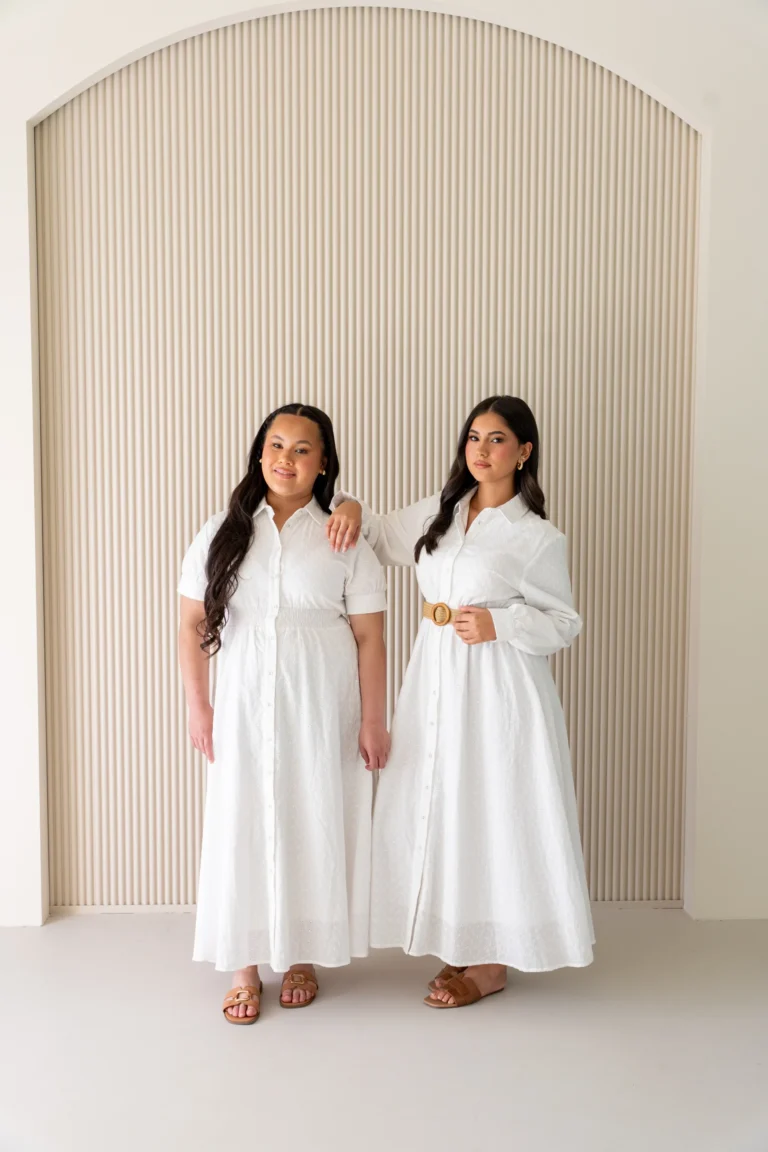
Getting dressed shouldn’t feel like a daily compromise. Yet for many women, clothing shopping has long been an exercise in settling—settling for items that almost fit, styles that feel uncomfortable after an hour, or designs that don’t reflect who they are. Inclusive women’s clothing is changing that experience, and its impact goes far beyond fashion trends.
At its heart, inclusive clothing is about recognising real bodies, real lives, and real needs. When clothes are designed with diversity in mind, they don’t just look better—they feel better, too. And that has a ripple effect on confidence, comfort, and how women show up in their everyday lives.
Table of Contents
Comfort Isn’t a Luxury — It’s the Foundation
Comfort is often treated as optional in fashion, especially for women. Tight waistbands, restrictive fabrics, and awkward cuts have been normalised for decades. But discomfort takes a toll, both physically and mentally.
Think about a workday spent constantly adjusting a top that rides up or trousers that dig in when you sit. It’s distracting. It pulls attention away from tasks, conversations, and confidence. Inclusive clothing addresses this by designing garments that move with the body rather than fighting against it.
This idea mirrors what we see in other industries. In workplace design, for example, ergonomic chairs and adjustable desks aren’t considered indulgent—they’re recognised as essential for productivity and wellbeing. Clothing should work the same way. When garments are designed to accommodate different shapes, sizes, and mobility needs, comfort becomes the norm rather than the exception.
Soft, breathable fabrics, flexible fits, and thoughtful construction allow women to focus on their day—not their outfit.
Confidence Grows When Clothing Actually Fits
Confidence isn’t just about appearance; it’s about how we feel in our own skin. Clothing plays a powerful role in that relationship.
When women are forced into limited size ranges or styles that don’t reflect their identity, it sends an unspoken message: you don’t fit the standard. Inclusive clothing flips that narrative. It starts with the belief that there is no single “standard” body type—and that design should adapt to people, not the other way around.
This shift has real psychological benefits. Wearing clothes that fit well and feel good can change posture, body language, and self-expression. It’s the difference between hiding behind an outfit and feeling at ease in it.
We see similar effects in sports and fitness. Athletes perform better when their gear fits properly. Shoes, uniforms, and protective equipment are designed for different builds because performance and confidence depend on them. Everyday clothing deserves the same consideration.
When women feel confident in what they’re wearing, it shows—in meetings, social settings, and even quiet moments of self-reflection.
Everyday Style Should Reflect Real Lives
Style isn’t about following every trend. For most women, it’s about finding clothes that fit into real routines—work, family, social life, and downtime.
Inclusive women’s clothing recognises that versatility matters. A dress should feel just as comfortable sitting at a desk as it does walking to lunch. A top should transition easily from a casual outing to an evening plan. Clothing that only works in one narrow scenario doesn’t serve modern lifestyles.
This approach mirrors how technology products are designed today. The most successful tools are intuitive, flexible, and adaptable to different users. Fashion is no different. Inclusive design considers how garments are worn throughout the day, not just how they look on a hanger or model.
In the middle to later stages of exploring inclusive fashion options, many women discover inclusive women’s clothing in Australia as part of their journey toward clothing that truly supports comfort, confidence, and everyday wearability. Access to thoughtfully designed options makes it easier to build a wardrobe that works for real life.
Representation Shapes How We See Ourselves
One of the most powerful aspects of inclusive fashion is representation. Seeing a wide range of bodies reflected in clothing design, marketing, and sizing helps normalise diversity.
For years, fashion imagery suggested that only one body type deserved style and visibility. Inclusive clothing challenges that outdated idea. It sends a clear message: style belongs to everyone.
This has a broader cultural impact. When women of different sizes, ages, and abilities see themselves represented, it reshapes expectations—not just in fashion, but in society. It encourages acceptance, reduces stigma, and promotes healthier relationships with body image.
Understanding the principles behind body positivity helps explain why inclusive clothing matters beyond aesthetics. When people feel accepted and seen, confidence grows naturally. Clothing becomes a form of self-expression rather than self-criticism.
Why Inclusivity Benefits Everyone
Inclusive women’s clothing isn’t a niche concept—it benefits everyone. Designing for a wider range of needs often results in better overall quality. Features like adjustable fits, flexible materials, and thoughtful sizing improve comfort for all wearers, not just those who struggled with traditional options.
From a business perspective, inclusivity also makes sense. Brands that listen to real customer needs build stronger loyalty and trust. In the same way that inclusive workplaces foster better collaboration and creativity, inclusive fashion fosters deeper connections between brands and communities.
For consumers, the benefit is simple: fewer compromises, less frustration, and more confidence.
A Shift That Truly Matters
Inclusive women’s clothing represents a meaningful shift in how fashion is designed and experienced. It acknowledges that women’s bodies aren’t problems to be solved—they’re realities to be respected.
When clothing prioritises comfort, confidence, and everyday practicality, it empowers women to move through the world more freely. And in that freedom, style becomes what it was always meant to be: personal, expressive, and supportive of real life.
In the end, inclusive fashion isn’t just about what we wear. It’s about how we feel, how we’re seen, and how comfortably we can show up as ourselves—every single day.


