

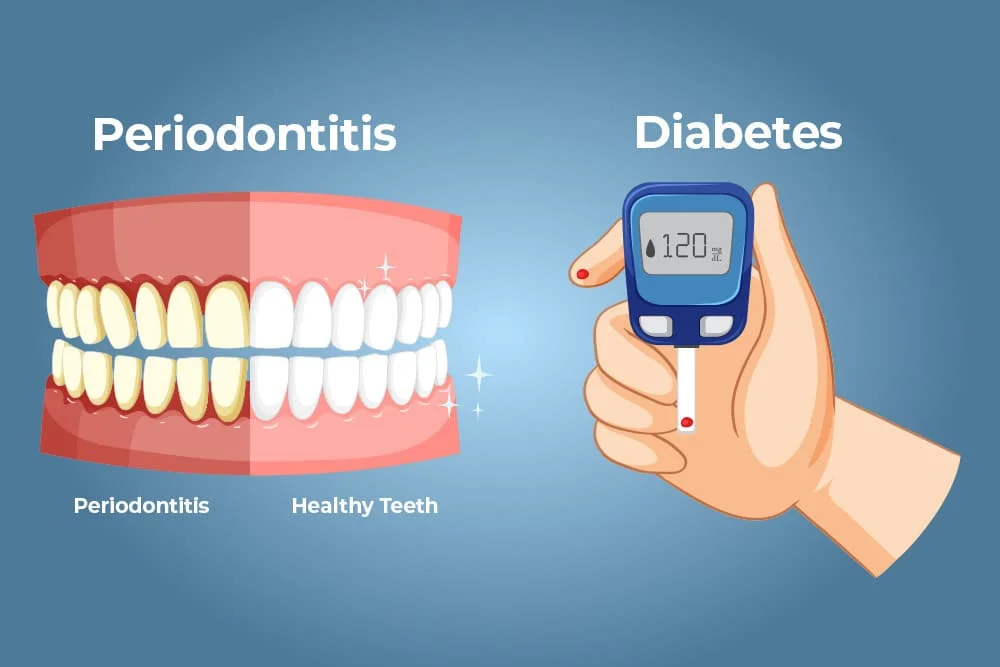
Living with diabetes strains your whole body. Your mouth is no exception. Gum disease grows faster when your blood sugar runs high. Then, inflamed gums push your blood sugar even higher. This cycle damages your teeth, gums, and health. You may notice bleeding when you brush, loose teeth, or a constant bad taste. You might feel nothing at all while the damage grows. That silence is what makes gum care so urgent for you. Strong gums help you manage diabetes. They cut infection, reduce inflammation, and protect your bite. They also support your heart and kidneys. This blog explains why focused gum care is not extra. It is part of your diabetes care plan. If you live nearby, periodontal treatment in King of Prussia, PA can help you control this hidden threat and protect your health.
Table of Contents
How Diabetes Changes Your Mouth
Diabetes affects the tiny blood vessels that feed your gums. It also weakens your defense against germs. Thick plaque collects around your teeth. Then your immune system struggles to fight it.
You face three common problems.
- Gums that bleed and swell
- Bone loss around teeth
- Slow healing after dental work
The Centers for Disease Control and Prevention explains that people with diabetes have a higher risk of gum disease and infections.
The Two-Way Link Between Gums and Blood Sugar
Gum disease and diabetes push each other.
- High blood sugar feeds mouth bacteria and plaque
- Infected gums release chemicals that raise blood sugar
- Raised blood sugar then makes the infection stronger
This loop is cruel. It wears you down. It also raises your risk for heart disease and kidney damage.
Healthy gums break this loop. Clean roots and calm tissue reduce infection. Then your body uses insulin better. Your blood sugar becomes easier to control. Your medical team sees the change in your A1C numbers.
How Periodontics Protects You
Periodontics focuses on your gums, bone, and the roots of your teeth. The care is simple to understand.
- Measure pockets around each tooth
- Clean plaque and tartar from above and below the gumline
- Smooth root surfaces so bacteria have fewer hiding spots
At times, you may need medicine placed under the gums. You might need a small surgery to lift the gums and clean deeper. The goal stays clear. Remove infection. Then help your body heal.
The National Institute of Dental and Craniofacial Research explains that treating gum disease can improve blood sugar control for people with diabetes.
What the Research Shows
Studies compare people with diabetes who receive gum treatment with those who do not. The pattern repeats. Treated patients often see better blood sugar control than untreated patients.
Here is a simple view of what research groups report.
| Group | Gum Care Given | Change in A1C | Main Benefit |
|---|---|---|---|
| Group 1 | Deep cleaning only | Drop of about 0.4 percent | Less bleeding and swelling |
| Group 2 | Deep cleaning plus medicine under gums | Drop of about 0.6 percent | Lower infection and better breath |
| Group 3 | No gum care | Little or no change | Ongoing gum loss and loose teeth |
These numbers may look small. Yet even a 0.5 percent A1C drop can cut your risk of eye, kidney, and nerve damage. Gum care is not cosmetic. It supports your whole body.
Warning Signs You Should Not Ignore
Gum disease often grows in silence. Still, your body sends clues.
- Bleeding when you brush or floss
- Red or tender gums
- Receding gums that make teeth look longer
- Loose teeth or shifting bite
- Chronic bad breath or bad taste
- Sores that heal slowly
If you have diabetes, treat any of these signs as urgent. Do not wait for pain. Pain comes late. Early care saves teeth and money. It also lowers your chance of a hospital stay from infection.
What To Expect During Periodontal Visits
Good gum care follows a clear path.
- Review of your medical history and medications
- Full mouth exam and X-rays if needed
- Pocket measurements around each tooth
- Deep cleaning over one or more visits
- Home care coaching that fits your hands and schedule
- Follow up visits every three to four months
Tell your periodontist about your recent A1C and any low blood sugar events. Also, bring a list of your medicines. Clear sharing keeps you safe during visits.
How To Protect Your Gums At Home
Your daily habits carry most of the weight. You can focus on three steps.
- Brush twice each day with a soft brush for two minutes
- Clean between teeth once each day with floss or small brushes
- Rinse with an alcohol free mouthwash if your dentist suggests it
You can also support your gums by keeping your blood sugar near your target. Stay close to your care team. Follow your meal plan. Take your medicines as prescribed. Move your body each day, even with a short walk.
Working With Your Health Care Team
Strong care comes when your providers talk with each other. You can encourage that.
- Give your dentist permission to share reports with your diabetes doctor
- Share any changes in your medicines at each dental visit
- Ask your doctor to note your gum care in your diabetes plan
You deserve steady support. You also deserve clear facts. Gum health is part of diabetes care. It is as important as eye exams and foot checks.
Take The Next Step
If you live with diabetes, do not wait for pain or tooth loss. Schedule a periodontal exam. Ask direct questions about your gum health and your blood sugar. Then follow through on treatment and home care.
Gum disease thrives on delay. Your action today protects your smile, your energy, and your future health.