

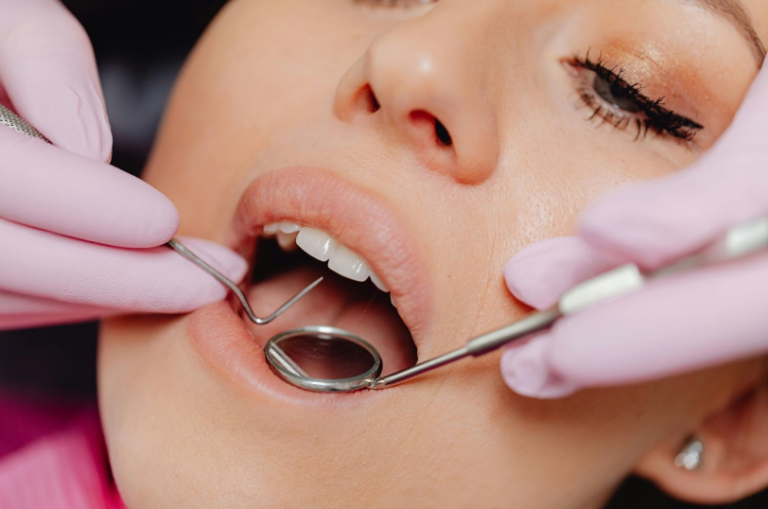
You may want veneers or crowns because you are tired of hiding your smile. You might feel pressure to fix chipped teeth, deep stains, or old fillings fast. Yet before any cosmetic work, your mouth needs strong support. Preventive dentistry sets that foundation. It protects your gums, jawbone, and natural teeth so your new restorations last longer and feel more secure. Routine cleanings, careful exams, and early treatment of decay lower the risk of pain, infection, and costly repairs later. A West Edmonton dentist will first look for silent problems like grinding, gum disease, or tiny fractures. Then the dentist can plan veneers or crowns that fit your bite and daily habits. This blog explains why prevention comes first, what to expect at these visits, and how small daily steps from you protect a major investment in your smile.
Table of Contents
Why your mouth must be healthy first
Veneers and crowns do not fix unhealthy teeth or gums. They only cover them. If disease sits under a new veneer or crown, it grows. Then you face pain, infection, and loss of teeth.
During a preventive visit, the dentist checks three things.
- Gums for swelling, bleeding, or pockets
- Teeth for soft spots, cracks, or worn enamel
- Bite for grinding, clenching, or shifted teeth
Healthy gums hold veneers and crowns in place. Strong roots and bone keep chewing even. A clean mouth also lowers the risk of decay at the edges of restorations. That edge is the weak point. Plaque loves that spot.
How preventive care protects your investment
Veneers and crowns cost money and time. You may take time off work. You may feel stress about the change. Preventive care protects that effort in three clear ways.
- It finds problems early while treatment stays small and simple.
- It reduces the chance of sudden toothaches that force emergency work.
- It helps your veneers and crowns last more years before replacement.
The Centers for Disease Control and Prevention shows that tooth decay and gum disease remain common. Many people do not feel symptoms until the damage is advanced. That quiet damage can sit under a new crown or veneer if you skip prevention.
Steps in a preventive visit before veneers or crowns
You should know what to expect. That reduces fear and helps you plan.
A typical visit before cosmetic work includes three parts.
- Cleaning. The hygienist removes plaque and tartar above and below the gumline. This lowers swelling and bleeding.
- Exam. The dentist checks each tooth. You may have X-rays to see roots and bone. The dentist tests your bite with thin paper.
- Plan. You discuss goals. The dentist explains what must be treated before veneers or crowns.
You may need fillings, root canal treatment, or gum therapy first. That can feel like a delay. Yet it prevents failure of the new work. It also reduces the chance that you will need a tooth removed later.
Veneers vs crowns and why prevention matters for both
Veneers and crowns are different. Yet both depend on clean, stable teeth and gums. The table below gives a simple comparison.
| Feature | Veneers | Crowns | Why preventive care matters |
|---|---|---|---|
| What they cover | Front surface of tooth | Entire tooth above gum | Hidden decay or cracks can spread under both types |
| Common use | Shape, color, small chips, gaps | Large decay, fractures, root canal teeth, heavy wear | Correct diagnosis avoids wrong choice or early failure |
| Tooth removal needed | Usually small amount of enamel | More tooth structure removed | Weakened teeth need extra care before and after |
| Risk if gums are unhealthy | Edge exposure, staining, loss of support | Gum recession, gaps at margin, decay at edge | Healthy gums keep margins sealed and easier to clean |
| Typical lifespan range | Many years with care | Many years with care | Good brushing, flossing, and checkups extend lifespan |
The National Institute of Dental and Craniofacial Research explains that decay starts when bacteria stay on teeth in plaque. Veneers and crowns do not stop plaque. Only brushing, flossing, fluoride, and cleanings do.
Home care that supports veneers and crowns
You control much of the success of your restorations. Daily habits matter as much as the dental chair.
Focus on three basic steps.
- Brush twice each day with fluoride toothpaste. Aim for two full minutes.
- Clean between teeth daily with floss or small brushes. Pay attention to the edges of veneers and crowns.
- Limit sugary drinks and snacks. Sip water often.
If you grind your teeth during sleep, the dentist may give you a night guard. This clear tray spreads pressure and protects thin porcelain. Without it, you can crack or chip your new work.
Questions to ask before you start treatment
You have a right to clear answers. You also have the right to time to decide. Before you agree to veneers or crowns, ask your dentist three sets of questions.
- About your oral health. Are my gums healthy enough for this? Do I have any untreated decay or infections?
- About the plan. Why are you recommending veneers, crowns, or both? What happens if I wait and focus on preventive care first?
- About long-term care. How often should I come for cleanings? What habits will damage these restorations?
Honest answers help you feel safe. They also build trust for years of care.
When you should delay veneers or crowns
Sometimes the kindest choice is to wait. You should discuss a delay if you have any of these.
- Active gum disease with deep pockets or loose teeth
- Large untreated cavities or ongoing tooth pain
- Uncontrolled grinding or clenching
- Medical treatment that weakens healing, such as some cancer care
During this time, focus on cleaning, repair, and habit change. Then, when your mouth is stable, cosmetic work has a stronger base and a calmer outcome.
Take the next step with prevention first
If you are thinking about veneers or crowns, start with a preventive visit. Ask for a full exam and cleaning. Share your goals. Then listen closely to the treatment order the dentist suggests.
Strong teeth. Calm gums. Clear daily habits. These three pieces turn cosmetic work from a quick fix into a steady, lasting change. Prevention is not extra. It is the core of a safe, confident smile that stays with you and your family for years.


