

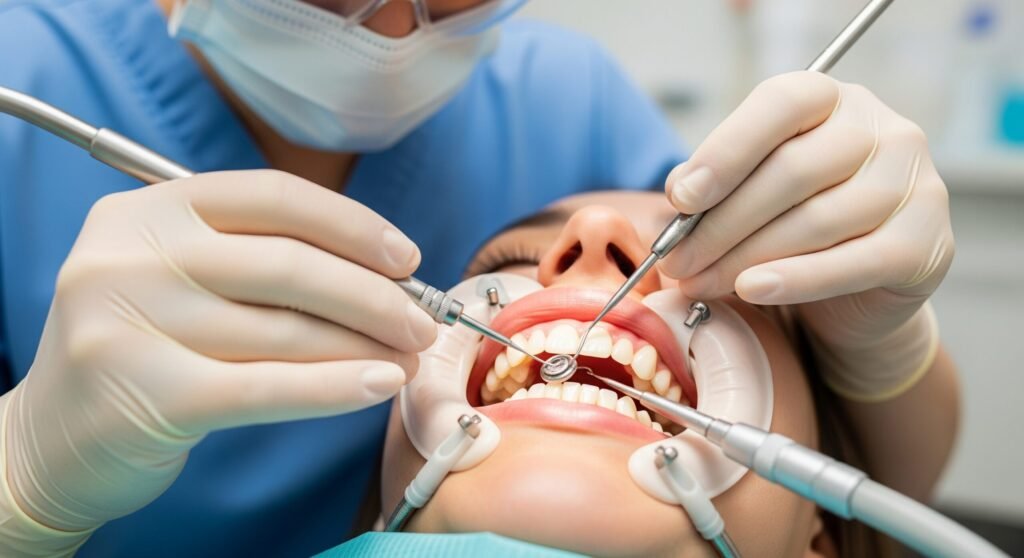
You want your cosmetic dental work to last. You invest time, money, and hope. You deserve care that protects that investment. Cosmetic treatment can change your smile, but what you do next decides how long those results stay. Regular preventive services lower the risk of chips, stains, and early wear. They also help your dentist spot small problems before they turn into painful emergencies. In this blog, you will see four simple services that protect your cosmetic work and your health. Each one fits into a routine you can keep. A dentist in St. Louis, MO can use these same services to support your goals and your comfort. You do not need complex care. You need steady habits and clear guidance.
Table of Contents
1. Routine Cleanings That Protect Cosmetic Work
Professional cleanings do more than polish teeth. They remove plaque and hardened tartar that daily brushing does not reach. This buildup can stain whitening, weaken bonding, and irritate gums around veneers and crowns.
During a cleaning, your care team will usually
- Measure your gums
- Remove plaque and tartar above and below the gumline
- Polish stains from coffee, tea, and tobacco
The Centers for Disease Control and Prevention reports that untreated gum disease is common in adults. Gum disease can loosen teeth and threaten implants and bridges. Cleanings lower this risk and keep cosmetic work stable.
Most people with cosmetic treatment need cleanings every six months. Some need them every three to four months. Your schedule should match your mouth, not a generic calendar. Ask your dentist to tie your cleaning schedule to your cosmetic plan.
2. Fluoride Treatments That Strengthen Teeth
Fluoride is a natural mineral that hardens tooth enamel. Strong enamel holds fillings, bonding, and veneers more securely. Weak enamel chips and wears faster, which can shorten the life of cosmetic treatment.
Fluoride can come in three forms
- Varnish painted on teeth in the office
- Gel or foam in trays during a visit
- Prescription toothpaste for home use
The National Institute of Dental and Craniofacial Research explains that fluoride helps repair early decay before it becomes a cavity. That repair protects the edges of veneers and crowns and keeps whitening results even.
Fluoride treatments can help children, teens, and adults. This support is useful if you have
- History of many cavities
- Dry mouth from medicine or health conditions
- Gum recession that exposes root surfaces
Talk with your dentist about office fluoride after whitening, bonding, or new crowns. Then ask if a prescription toothpaste is right for home use.
3. Custom Night Guards That Prevent Damage
Teeth grinding and clenching put strong pressure on enamel. This pressure can crack veneers, chip bonding, and wear down crowns. Many people grind at night and do not realize it. They wake with sore jaws or headaches and think it is stress or poor sleep.
A custom night guard is a clear tray that fits over your teeth. It absorbs grinding force and spreads pressure across the jaw. This protection shields both natural teeth and cosmetic work.
Common signs that you may need a night guard include
- Flattened or chipped teeth
- Jaw pain or tightness in the morning
- Regular headaches after sleep
- Notches near the gumline
Store-bought guards often feel bulky and can shift during sleep. Custom guards fit your bite and support your jaw joints. They also leave room for crowns, veneers, and implants. This fit matters when you have invested in cosmetic treatment and need precise protection.
4. Regular Exams and X-Rays That Catch Problems Early
Exams and X-rays can feel routine. Yet they protect cosmetic work more than any quick fix. Many problems start small between teeth or under old fillings. You cannot see these spots in a mirror. By the time you feel pain, the damage is serious and costly.
During an exam, your dentist will
- Check your bite on veneers, crowns, and implants
- Look for cracks, chips, and leaks around restorations
- Review gums for swelling or bleeding
- Screen for oral cancer
X-rays help find decay between teeth and under crowns. They also show bone levels around implants and natural roots. That view helps your dentist act early and protect both health and appearance.
How Often Do You Need These Services
Every mouth is different. Still, many people follow a pattern that looks like this. Your own schedule may change based on your risk and your dentist’s advice.
| Service | Common Frequency | Main Purpose | Benefit for Cosmetic Results |
|---|---|---|---|
| Routine cleaning | Every 3 to 6 months | Remove plaque and tartar | Prevents stains and gum problems around cosmetic work |
| Fluoride treatment | Every 3 to 12 months | Strengthen enamel | Reduces decay near veneers, crowns, and bonding |
| Custom night guard check | Once a year | Adjust fit and wear | Protects teeth and restorations from grinding |
| Exam and X-rays | Exam every 6 to 12 months. X-rays as needed | Find early problems | Helps fix small issues before they damage cosmetic work |
Simple Daily Habits That Support These Services
Office care works best when home care matches it. You can protect cosmetic results each day if you
- Brush twice daily with fluoride toothpaste
- Clean between teeth once daily with floss or a water flosser
- Limit sugary snacks and drinks between meals
- Use a soft toothbrush and gentle pressure
These habits may feel small. Together with preventive visits, they keep your smile strong and steady.
Putting It All Together
Cosmetic treatment is not the finish line. It is one step in a longer plan. Routine cleanings, fluoride, night guards, and regular exams work as a team. They protect your teeth, gums, and the restorations that shape your smile.
Ask your dentist to create a written preventive schedule that includes these four services. Keep it on your fridge or in your phone. Share it with your family so that children and adults build the same strong habits. You protect your smile when you stay consistent, ask questions, and show up for care before there is pain.