

Age can feel like a wall when you need dental implants. You might worry you are too old, too fragile, or too late. That fear often stops people from asking for help. In truth, age alone does not decide if you qualify for implants. Your health, daily habits, and bone strength matter much more. So do your goals for comfort and dignity when you eat and smile. A skilled dentist in Great Falls looks at your full health picture, not just your birthdate. That review includes your medical history, medicines, and oral health. It also includes how you care for your teeth now. Many older adults receive implants that feel stable and secure. They enjoy food again. They speak with more ease. They feel less guarded in social moments. You deserve clear facts, not fear. This guide explains what really shapes your implant options, at any age.
Table of Contents
How Dental Implants Work In Simple Terms
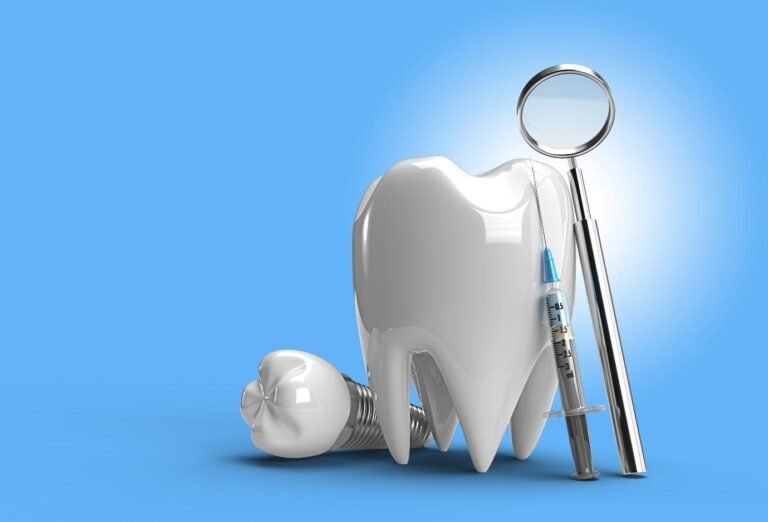
A dental implant is a small post that sits in your jaw where a tooth root once sat. The post holds a crown that looks and works like a natural tooth. Your bone grows around the post over time. That growth creates a firm base for chewing and speaking.
Implants can replace one tooth, several teeth, or support a full set of teeth. The goal is steady biting, clear speech, and a smile you trust.
Why Age Alone Does Not Decide Eligibility
Doctors have placed implants in people in their seventies, eighties, and nineties. Research from the National Institutes of Health shows older adults often do well with implants when they have enough bone and stable health.
Three core facts shape this truth.
- Bone health can stay strong in many older adults.
- Medical issues can be managed in safe ways.
- Daily home care matters more than age.
Chronological age is just the count of years. Functional age is how your body works today. Implant decisions focus on how your body works.
Key Factors That Matter More Than Age
When you ask about implants, your dentist will study several parts of your health. Each one helps protect your safety and the success of the implant.
1. Bone Strength In Your Jaw
Your jaw needs enough height and width to hold the implant post. Some older adults have firm bones. Others lost bone after years without teeth. Tooth loss, gum disease, and long-term use of loose dentures can weaken bone.
If the bone is thin, you may need a graft to build it up. That step can open the door to implants even later in life.
2. Medical Conditions And Medicines
Many people live with heart disease, diabetes, or osteoporosis. These conditions do not always block implants. Yet they need control and careful planning.
- Diabetes. Blood sugar should stay in a healthy range for better healing.
- Heart disease. Your dentist may work with your heart doctor for safe timing and medicines.
- Osteoporosis. Some medicines that treat bone loss can affect healing in the jaw.
Your dentist will ask about every medicine. That includes blood thinners, bone drugs, and cancer drugs. The goal is safe healing and a lower risk of infection or bleeding.
3. Gum Health And Oral Hygiene
Healthy gums help protect implants. If you have gum disease, treatment should come first. Clean gums and teeth lower the risk of infection around the implant.
Your daily habits also matter. You need to brush, clean between teeth, and keep regular visits. If hand strength or vision is limited, your dentist can suggest simple tools and routines.
4. Smoking And Alcohol Use
Smoking harms blood flow and slows healing. It raises the risk of implant failure. Heavy alcohol use can also affect healing and daily care.
Quitting smoking, or cutting back, can improve your chances. Your dentist may ask you to stop for a period before and after surgery.
5. Goals For Comfort, Function, And Quality Of Life
Implants are not just about looks. They support daily life. You may want to:
- Eat without pain or fear that teeth will slip.
- Speak clearly without mumbling or whistling.
- Smile in photos without covering your mouth.
Your goals guide the treatment plan. Some people want the most stable option. Others want the least complex option. Your dentist can match choices to your needs.
Comparing Younger And Older Implant Candidates
The table shows common differences between younger and older adults who seek implants. It highlights that age brings patterns, not hard rules.
| Factor | Typical Younger Adult (Under 50) | Typical Older Adult (65 And Older) |
|---|---|---|
| Bone Level In Jaw | Often stronger with less loss | May have bone loss after years without teeth |
| Common Health Conditions | Fewer chronic diseases | More heart disease, diabetes, or osteoporosis |
| Medicine Use | Usually fewer medicines | More daily medicines and complex plans |
| Healing Time | Often quicker | May be slower but still steady |
| Main Concern | Appearance and confidence | Comfort, chewing, and clear speech |
| Implant Success Rate | High when healthy | Also high when health is stable, and bone is strong |
Safety And Success In Older Adults
Studies show success rates for implants in older adults that match those of younger adults when health is well managed. Data from the National Institute of Dental and Craniofacial Research point to strong long-term results for many patients.
Three habits support success.
- Follow all pre-surgery and post-surgery instructions.
- Keep regular checkups for cleaning and exams.
- Tell your dentist about any health changes right away.
Your dentist may adapt the plan. They may stage the work in smaller steps or use fewer implants to support a full denture. The goal stays the same. Safe care and steady function.
Questions To Ask Your Dentist
You have the right to clear answers. You can bring a list of questions and a family member if that feels helpful. You might ask:
- Am I a candidate for dental implants based on my health and bone?
- What tests or scans do I need before we decide?
- How will my medicines affect surgery and healing?
- What are my choices if I do not want implants?
- What can I expect during recovery in the first week, month, and year?
Honest answers build trust. They also help you weigh the effort, time, and reward.
Taking The Next Step At Any Age
Age does not close the door on dental implants. Your health story, your habits, and your hopes matter far more. Many older adults choose implants and regain steady chewing, clear speech, and a quiet sense of comfort in daily life.
You do not need to decide alone. You can start with a simple talk. Share your questions. Share your worries. Then work with your dentist to see if implants fit your body and your goals today, not your birth year.


