

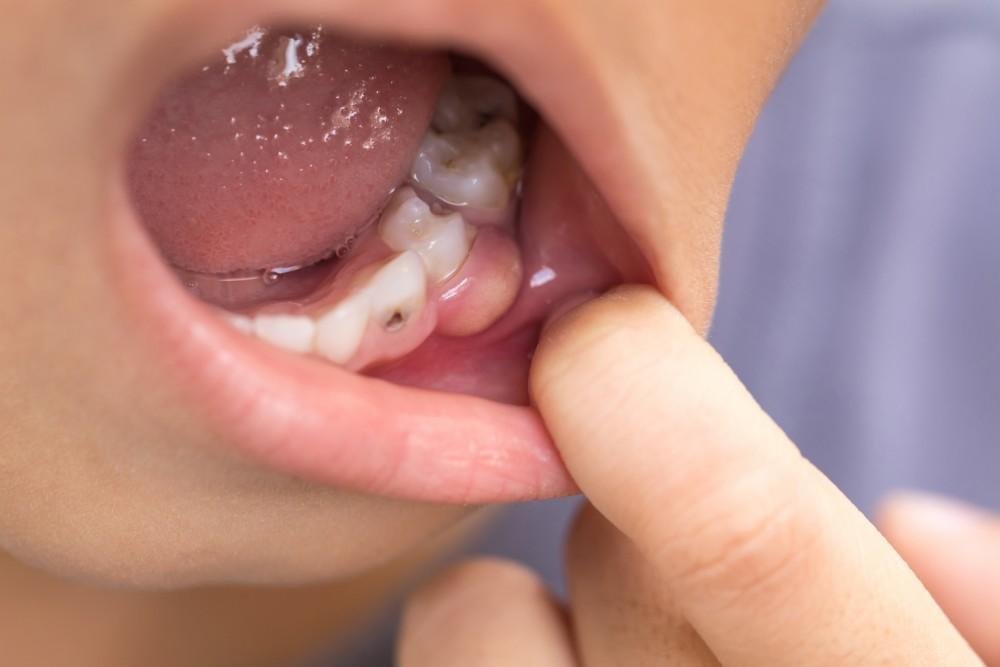
You might be feeling a mix of worry and guilt every time your child says, “My tooth hurts,” or when the dentist mentions “early signs of decay.” You brush their teeth, you try to limit sweets, yet the fear of cavities still hangs over every checkup. Oshawa gum disease treatment can feel like one more thing to worry about, especially when you are already doing your best in a very busy life.end
The truth is, you are not alone. Tooth decay is one of the most common chronic conditions in children, but it is also one of the most preventable. With a few clear strategies and some steady habits, you can dramatically lower your child’s risk. In simple terms, the four big levers are daily home care, smart food and drink choices, fluoride, and protection from a trusted family dentist. When these pieces work together, your child’s mouth becomes a much harder place for cavities to form.
So where does that leave you today? It means there is a path forward that does not depend on perfection, only on small, consistent changes that fit your real life.
Table of Contents
Why do kids get cavities even when you try to do everything “right”?
To understand how to prevent cavities, you first need to know what you are up against. Cavities are not random. They come from a predictable process that happens in your child’s mouth every single day.
According to the National Institute of Dental and Craniofacial Research, tooth decay starts when bacteria in the mouth feed on sugars and starches, create acid, and slowly dissolve the hard outer layer of the tooth. Over time, this weak spot can break down into a full cavity. You can read a clear explanation of the tooth decay process here.
So the problem is not just “too much sugar” or “not enough brushing.” It is the constant cycle of acid attacks on teeth, especially when teeth are not cleaned well, when snacks are frequent, or when protective factors like fluoride are missing.
Because of this, you might worry about more than just pain. You might be thinking about missed school days, dental bills, or the look on your child’s face when they need another filling. Those are real concerns. Cavities can affect how a child eats, sleeps, and even how they feel about smiling in photos. The emotional cost can be just as heavy as the financial one.
The good news is that you can interrupt this decay cycle at several points. That is where the four preventive strategies come in.
What are the 4 key preventive strategies that truly lower cavity risk?
When people talk about preventing childhood tooth decay, the advice can feel scattered. “Brush more.” “Avoid candy.” “Use fluoride.” It helps to see how the main strategies connect and support each other.
Here are the four pillars that reduce the risk of childhood cavities in a meaningful way.
1. Daily brushing and flossing that actually reach the problem spots
Many children brush every day, yet still get cavities between teeth or along the gumline. The issue is usually technique, timing, or supervision, not effort.
According to the CDC, children should brush twice a day with fluoride toothpaste and clean between their teeth once a day. You can review their practical tips for parents in the CDC guide on oral health tips for children.
Ask yourself a few questions. Is your child brushing for a full two minutes, or more like twenty seconds? Are you helping them reach the back teeth? Are you flossing their teeth once a day, especially where teeth touch? Most kids need hands-on help until at least age 7 or 8, and many need supervision even longer.
When brushing is thorough and consistent, you remove the sticky plaque that fuels bacteria. That single change can lower cavity risk more than any fancy product.
2. Food and drink choices that do not feed bacteria all day long
What your child eats matters, but how often they eat or sip matters just as much. Frequent snacking or sipping sugary drinks keeps the mouth in a constant acid state. That gives bacteria a long window to attack the teeth.
Think about a typical afternoon. A juice box in the car, a handful of crackers, a gummy snack, then a flavored milk. Even if each portion seems small, it adds up to hours of sugar and acid exposure. This is where cavities often take root.
Healthier patterns include water between meals, limiting juice and sweet drinks, and offering snacks that are less sticky and sugary. Cheese, nuts if age appropriate, crunchy vegetables, and plain yogurt are friendlier to teeth than gummies, cookies, or fruit snacks that cling to enamel.
So the strategy is not to ban all treats. It is to keep them closer to mealtimes and to reduce constant grazing.
3. Fluoride to strengthen enamel before cavities start
Fluoride is a quiet but powerful protector. It helps rebuild weak spots in enamel and makes teeth more resistant to acid attacks. When used in safe amounts, it is one of the most effective tools for cavity prevention for kids.
Fluoride can come from several places. Tap water in many communities, fluoride toothpaste, and professional fluoride treatments applied by a family dentist. For young children, the CDC recommends a tiny smear of fluoride toothpaste as soon as the first tooth appears, then a pea sized amount starting around age 3, with careful supervision so they do not swallow large amounts.
If your area does not have fluoridated water, or if you are unsure, your dentist can help you decide whether your child needs additional fluoride.
4. Professional protection from a trusted family dentist
Regular visits to a family dentist are not only about checking for cavities. They are also a chance to prevent them with cleanings, fluoride treatments, and dental sealants.
Dental sealants are thin protective coatings that are painted onto the chewing surfaces of the back teeth. According to the NIDCR, sealants can significantly lower the risk of decay in those deep grooves where toothbrush bristles often cannot reach. You can learn more about how they work in this overview of dental sealants for children.
Picture two children with similar diets and brushing habits. One receives sealants on their permanent molars soon after they come in. The other does not. Years later, the sealed teeth are far more likely to be cavity free. The unsealed teeth often show decay in the exact grooves the sealant would have covered.
Routine visits also allow your dentist to catch early signs of trouble, guide you on home care, and tailor prevention to your child’s specific risks.
How do these prevention strategies compare in everyday life?
It can help to see these strategies side by side. That way you can decide where to focus your energy first, especially if time or budget feels tight.
| Strategy | Main Benefit | Effort Level for Parents | Typical Cost | When You See Impact |
|---|---|---|---|---|
| Daily brushing and flossing | Removes plaque and food before bacteria cause damage | High at first, then moderate as habits form | Low. Toothbrushes, floss, fluoride toothpaste | Weeks to months. Fewer “sticky” spots and cleaner checkups |
| Healthy snack and drink patterns | Reduces constant acid attacks from sugar and starch | Moderate. Requires planning and consistent limits | Can be neutral. Some snacks cost more, others less | Months. Fewer new “soft spots” between visits |
| Fluoride (toothpaste, water, treatments) | Strengthens enamel and repairs early damage | Low. Small habit changes at home and short office visits | Low to moderate. Many insurance plans cover treatments | Months to years. Stronger enamel and fewer new cavities |
| Dental sealants with a family dentist | Shields deep grooves on back teeth where cavities often start | Low. One short appointment per set of teeth | Moderate, often covered or discounted for children | Years. Long term protection on sealed teeth |
Seeing this comparison, you might realize that you are already doing more than you thought. A few small adjustments can make your current efforts much more effective.
What can you do this week to lower your child’s cavity risk?
When you feel overwhelmed, it helps to focus on a few clear actions instead of trying to change everything at once. Here are three high impact steps you can start right away.
1. Take back control of the toothbrush routine
Tonight, stand with your child at the sink and walk through a slow, two minute brushing together. Use a timer or a favorite song. Help them angle the brush toward the gumline, reach the back molars, and gently brush the inside surfaces. If flossing is not yet a habit, choose one time of day and start with just the teeth that touch each other. Commit to supervising or helping at least once a day, even if they “brush on their own” the other time.
2. Reshape one part of the snack and drink pattern
Choose one thing that feels realistic. For example, replace afternoon juice with water, or limit sweet drinks to one specific mealtime. Or decide that sticky, sugary snacks will only be offered right after lunch or dinner, followed by water. Small, consistent rules like this reduce the constant acid bath on your child’s teeth without turning food into a battle.
3. Schedule a preventive visit with a family dentist
If it has been more than six months since your child’s last checkup, or if they have never had one, make that appointment. Ask about fluoride treatments, sealants for newly erupted molars, and a personalized plan to prevent cavities, not just treat them. Bring your questions about brushing, flossing, and diet. A good family dental care team will welcome them and help you sort through what matters most for your child’s age and risk level.
Moving from worry to confidence about your child’s teeth
You care about your child’s smile, and it is normal to feel anxious when you hear words like “cavity” or “decay.” That concern is not a sign that you have failed. It is a sign that you are paying attention.
By focusing on these four strategies, you are doing more than just avoiding dental bills. You are helping your child eat comfortably, sleep better, feel confident when they smile, and build habits that will protect their health for years.
Start with one or two changes that fit your life. Strengthen the brushing routine. Tweak the snacks. Talk with a family dentist about fluoride and sealants. Each step moves your child further away from decay and closer to a future where checkups bring relief instead of worry.
You do not have to do everything perfectly. You only have to keep moving in the right direction, one small decision at a time.