

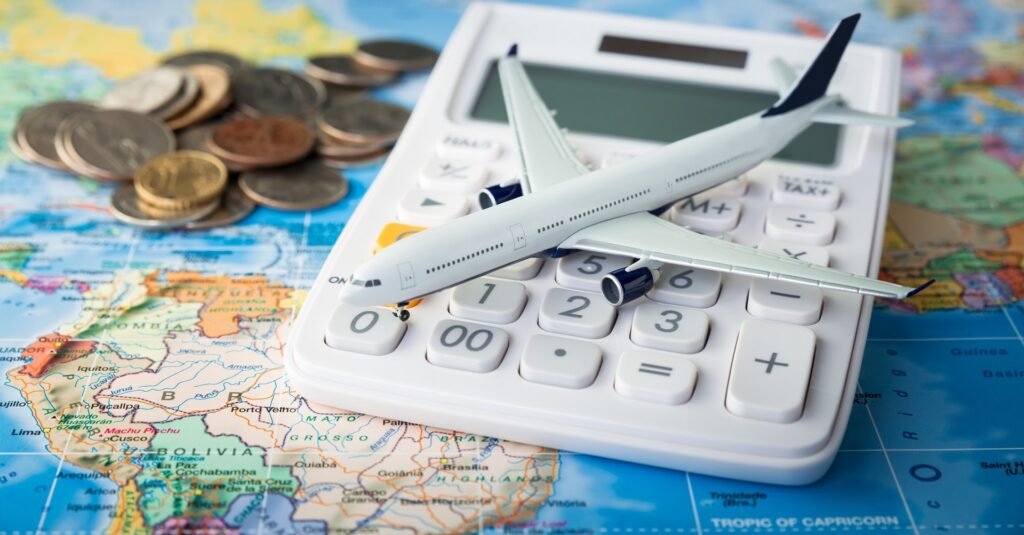
Australians love heading overseas for a well-deserved holiday. However, the excitement of booking flights and accommodation can easily overshadow the practical side of travel planning. Before you jet off, it is crucial to lock in a realistic budget. While searching online for quick savings is tempting, following viral money hacks that are actually ruining your financial future will not help your travel budget. Sticking to verified, sensible budgeting strategies is the best way to secure your finances before a trip. Once your base budget is set, your next task is to defend it from sneaky travel traps.
Table of Contents
1. Choosing the Wrong Card for Everyday Spending
Every time you buy a coffee in Paris or pay for a taxi in Tokyo, your standard bank card might be quietly draining your funds. Most traditional credit and debit cards charge a foreign transaction fee for every overseas purchase. This fee usually hovers around 3 per cent of the transaction value. While a few cents on a coffee sounds harmless, these fees quickly snowball on hotel bills, restaurant dinners, and tour bookings.
The simplest fix is travelling with a card designed for global spenders. For example, offers options that can eliminate international transaction fees entirely, provided you meet specific monthly criteria. By switching to a card built for travel, you keep that extra 3 per cent in your own pocket and stretch your holiday funds further.
2. International ATM Withdrawals and Poor Exchange Rates
Getting local cash out of an overseas ATM seems like a straightforward task. Sadly, this is where many travellers lose a significant chunk of their budget. Major banks often charge a flat international withdrawal fee, while the local overseas ATM provider adds their own processing fee on top.
The real damage, however, happens with the exchange rate markup. According to consumer advocacy group CHOICE, withdrawing cash overseas using a major bank debit card could leave consumers out of pocket by up to 11 per cent more than the mid-market exchange rate due to poor conversion rates and added fees. To avoid this trap, you should research travel-friendly accounts that waive international ATM fees and offer the true mid-market exchange rate.
3. The Dynamic Currency Conversion Trick
When you tap your card at an overseas merchant, the terminal will often prompt you with a question. It will ask if you would like to pay in the local currency or in Australian Dollars. Choosing your home currency feels safe because you immediately see the final cost. This process is known as Dynamic Currency Conversion, and it is a massive financial trap.
If you select Australian Dollars, the foreign merchant gets to set the exchange rate. Unsurprisingly, this rate is almost always terrible, and they will likely tack on a hidden margin for convenience. The golden rule of overseas travel is to always choose to pay in the local currency. Let your own bank handle the conversion, as they will consistently provide a far better rate than a random souvenir shop.
4. Overlooking Hidden Travel and Transport Costs
Travellers usually remember to budget for flights and hotels, but sneaky micro-expenses often go unnoticed until it is too late. These hidden costs can easily derail a carefully planned budget if you are unprepared.
To keep your daily spending on track, watch out for the following traps:
- Airport transfers: Taxis from the airport are notoriously expensive. Look into local trains or pre-booked shuttle buses before you land.
- City tourist taxes: Many popular European and Asian cities now charge a nightly tourist tax that is rarely included in your prepaid accommodation bill.
- Data roaming charges: Using your Australian phone plan overseas can result in astronomical bills. Buy a local physical SIM or download a digital eSIM before departure.
- Tipping expectations: Tipping cultures vary wildly around the world. In North America, a 20 per cent tip is standard, while in other regions, tipping is not required at all.
5. Relying Solely on One Payment Method
Putting all your trust in a single payment method is a recipe for disaster. If your only credit card is flagged for fraud and frozen by your bank, or if you accidentally lose your wallet, you could be stranded without access to funds.
Always travel with a hybrid approach. Keep a small amount of local cash on hand for street vendors and small tips. Carry two different cards (preferably from different payment networks) and store them in separate bags. By diversifying how you carry your travel money, you protect yourself from unexpected emergencies.
An overseas holiday should be about making memories, not stressing over bank statements. By understanding how exchange rates work, packing the right payment cards, and watching out for hidden fees, you can stretch your travel budget further. A little financial preparation before you leave ensures your hard-earned money is spent on experiences rather than unnecessary bank charges.