

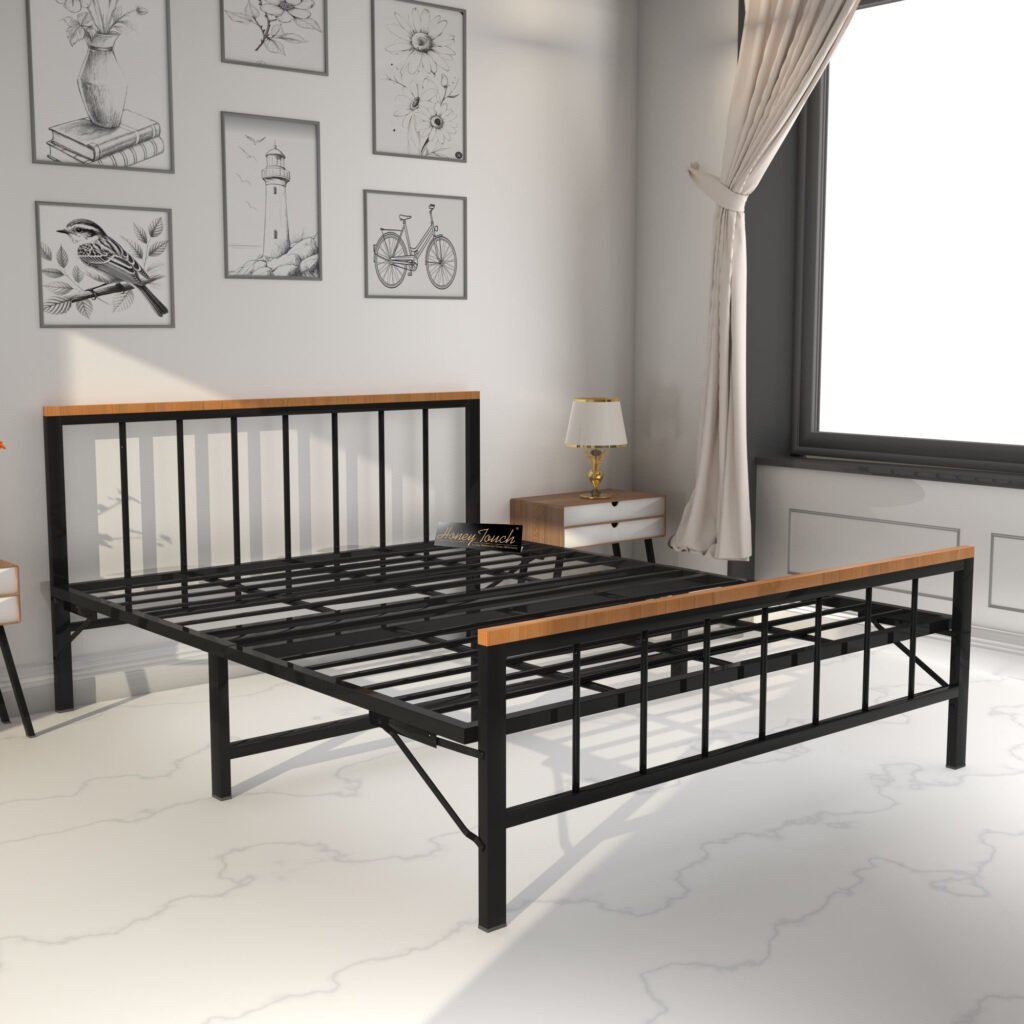
Metal furniture has a way of making a space look effortlessly put together. Whether it’s a wrought iron garden bench, a sleek steel dining table, or a sturdy metal bed anchoring your bedroom, these pieces bring a certain character that wood or plastic simply can’t replicate. They feel permanent. Solid. Like they were built to last generations.
And they can last that long, but only if you actually take care of them.
Here’s the honest truth most furniture guides skip over: metal furniture is remarkably durable, but it’s not invincible. Rust, scratches, corrosion, and loose joints are real threats, and they sneak up on you when you least expect it. That chair you left on the patio all winter? The metal bed frame you’ve never once wiped down? They’re quietly accumulating damage that, over time, becomes expensive or irreversible.
The good news is that caring for metal furniture doesn’t require specialized tools, a weekend warrior attitude, or a trip to the hardware store every other month. It mostly just requires consistency. A few small habits done regularly can add years, sometimes decades, to the life of your pieces.
This guide walks you through everything you need to know, from daily wipe-downs to seasonal treatments, so your metal furniture continues to look great and function well for as long as possible.
Table of Contents
Why Metal Furniture Deserves Your Attention
Before diving into the tips, it helps to understand what you’re actually protecting against.
Metal reacts to its environment. Iron and steel are particularly susceptible to oxidation, which is the chemical process that creates rust when metal is exposed to moisture and oxygen. Even metals that don’t rust, like aluminum, can corrode, pit, or develop a dull, chalky surface over time if left untreated.
Then there’s the physical wear: scratches that expose bare metal beneath protective coatings, loosened joints from regular use, and surface buildup from dust, sweat, food, and outdoor grime. Each of these issues compounds the others. A scratch becomes a rust spot. A rust spot weakens a joint. A weakened joint causes structural instability.
Understanding this chain reaction makes it clear why prevention is so much better and cheaper than repair.
1. Dust and Wipe Down Regularly
This one sounds almost too simple to mention, but it genuinely makes a difference. Dust isn’t just an aesthetic nuisance on metal surfaces. It actually traps moisture. Fine particles settle into crevices and decorative details, hold humidity against the metal, and over time, create the perfect conditions for rust to develop.
Make it a habit to dust your metal furniture at least twice a week with a soft, dry cloth. Microfiber works particularly well because it lifts dust rather than just pushing it around. For pieces with intricate scrollwork or recessed areas, which are common in classic wrought iron designs, a soft-bristled paintbrush can help you get into the grooves without scratching the surface.
For a more thorough clean, dampen a cloth with warm water and a tiny drop of mild dish soap. Wipe the surface down, then follow immediately with a dry cloth to remove any moisture. Never let water sit on metal surfaces. It doesn’t need long to start doing damage.
This is especially important for a metal bed frame, where sweat and body oils from pillows and bedding regularly transfer to the headboard and rails. A quick weekly wipe-down prevents buildup and keeps the finish looking sharp.
2. Keep Moisture Away as Much as Possible
Water is the number one enemy of metal furniture. It doesn’t matter how high-quality your pieces are. Sustained moisture exposure will eventually cause problems.
For indoor metal furniture, this means being mindful of humidity levels in your home. If you live in a particularly humid climate, consider using a dehumidifier in rooms where metal furniture is concentrated. Condensation from drinks can also be a silent culprit, so always use coasters on metal tables and shelves.
For outdoor metal furniture, the challenge is bigger because the exposure is less controllable. But there are several things you can do.
Invest in weather-resistant covers for your outdoor metal pieces. When rain is expected, or even when it’s just heavily overcast, cover them up. Covers don’t need to be expensive. They just need to be waterproof and breathable to prevent trapped humidity underneath.
If you live somewhere with heavy winter rainfall or snowfall, the best thing you can do for your outdoor metal pieces is bring them inside or into a garage or shed for the off-season. Even a partially sheltered space is significantly better than leaving them fully exposed to the elements.
After any rainfall, wipe your outdoor metal furniture down as soon as conditions allow. Don’t assume it’ll dry on its own fast enough to prevent damage. It often won’t, especially in shaded areas.
3. Inspect for Rust Early and Often
Rust doesn’t announce itself. It starts as a small spot, maybe the size of a pinhead, in a joint, underneath a cushion, or along a seam where two pieces of metal meet. If you’re not looking for it, you’ll miss it until it has spread significantly.
Make a point to inspect your metal furniture every two to four weeks, especially outdoor pieces and anything in humid areas like bathrooms or kitchens. Run your hand along the surfaces and look closely at joints, welds, and any areas where the paint or coating looks bubbled or discolored. Those are the early warning signs.
When you spot rust at this early stage, you can handle it yourself without too much trouble. Use fine-grit sandpaper or a small wire brush to gently scrub away the rust. Wipe the area clean with a dry cloth, then apply a rust-converting primer, which chemically transforms any remaining rust into a stable compound. Finish with a touch-up coat of metal paint that matches the original finish.
This whole process, if done when rust is caught early, takes maybe 20 minutes. Ignore it, and you’re looking at a much larger repair job or replacing the piece entirely.
4. Polish and Protect the Surface
Cleaning your metal furniture keeps it free of grime. Polishing takes things a step further by actually protecting the surface and restoring its appearance.
The right polish depends on the type of metal you’re working with.
For painted or powder-coated metal, use a furniture wax or a spray-on protectant designed for painted surfaces. Apply a thin, even coat, let it set briefly, then buff to a light shine. This creates a protective barrier that repels moisture and makes future cleaning easier.
For stainless steel, a dedicated stainless steel polish works best. Apply it in the direction of the grain and buff with a soft cloth. This removes fingerprints, water spots, and minor scratches while adding a protective layer.
For wrought iron, a light application of boiled linseed oil or a dedicated iron conditioner keeps the metal nourished and provides a degree of moisture resistance. Avoid over-applying, as excess oil can attract dust.
For aluminum, a light application of automotive wax once or twice a year keeps the surface protected and looking clean.
Make polishing a seasonal habit. At minimum, do it at the beginning of spring and again heading into fall. If your furniture gets heavy use or outdoor exposure, quarterly polishing is even better.
5. Pay Special Attention to Your Metal Bed
The metal bed is arguably the most-used piece of metal furniture in your home, and it has its own unique set of care considerations.
Because a bed frame is in constant use, being sat on, slept on, and occasionally jostled, the stress on joints and connections is ongoing. Over time, this can cause screws and bolts to loosen, which creates instability and that frustrating squeaking sound that can ruin a good night’s sleep.
Every few months, take five minutes to go around the entire frame and tighten every bolt, screw, and connection point. Use the appropriate screwdriver or Allen key. If you notice bolts that keep loosening, add a small dab of thread-locking compound to keep them secure.
To eliminate squeaking, apply a thin layer of clear wax, beeswax, or a light machine lubricant to any points where metal meets metal. You’ll usually find these trouble spots at the slat connections, the joints where the side rails meet the headboard, and anywhere else two metal parts rub together.
When it comes to cleaning the bed frame, use the same damp-cloth-then-dry-cloth technique mentioned earlier. Pay particular attention to the headboard, which tends to accumulate oils and residue from contact with hair and skin. If your bed frame has decorative details, a soft toothbrush can help you clean intricate areas without scratching the finish.
Also be mindful of what you lean against the headboard. Abrasive objects can scratch the finish, and once the protective coating is compromised, rust finds its way in much more easily.
6. Use Protective Pads and Felt Bumpers
This is a small detail that most people overlook, but it matters for two reasons: protecting the metal itself and protecting whatever surface the metal sits on.
Most metal furniture legs are bare metal or tipped with basic plastic caps that crack or fall off over time. When that happens, the raw metal edge drags across hardwood floors or tiles, causing scratches to both the flooring and sometimes the metal itself. Replace worn or missing caps with felt pads. The self-adhesive kind available at any hardware store are inexpensive and take about 30 seconds to apply.
For outdoor furniture, rubber-tipped feet are a better option, as they handle moisture and uneven surfaces more effectively. Check these periodically and replace them when they crack or compress significantly.
For table and shelf surfaces, use felt or silicone trivets and mats under items that are frequently moved. Glass objects, ceramics, and decorative pieces with rough bases can scratch metal surfaces more easily than most people expect.
7. Protect Outdoor Pieces with Rust-Resistant Coating
If you have outdoor metal furniture that gets significant sun and rain exposure, applying a rust-resistant coating is one of the best investments you can make. Think of it as sunscreen for your furniture.
Rust-resistant sprays and paints are widely available and designed to be applied directly to clean, dry metal surfaces. The process isn’t complicated.
Start by cleaning the surface thoroughly and letting it dry completely. Lightly sand any areas where the existing finish looks worn or chipped. Apply the rust-resistant primer in a thin, even coat, then follow with a topcoat in a color and finish that matches or complements the original piece. Allow full curing time before returning the piece to use, which is usually 24 to 48 hours depending on the product.
Do this once a year for furniture with heavy outdoor exposure, or once every two to three years for pieces that are partially sheltered. The time and cost involved are minimal compared to replacing a rusted-out chair or table set.
8. Be Smart About Placement
Where you put your metal furniture is just as important as how you clean it.
Indoors, avoid placing metal pieces directly next to sources of steam or water. This includes radiators, bathroom sinks, and kitchen areas with high splatter potential. If you have a metal shelf in the bathroom, make sure there’s adequate ventilation to prevent steam from accumulating on the surface.
Outdoors, think about the microclimate of your garden or patio. Areas that stay shaded and damp for most of the day are harder on metal than spots that get good sunlight and airflow. If your space allows for some flexibility in furniture placement, choose the airier, sunnier spots for your metal pieces and reserve shadier areas for stone or synthetic materials.
Also be mindful of direct contact with soil. Metal furniture legs that sit in constant contact with wet soil corrode much faster than legs resting on concrete, stone, or treated wood. Use furniture coasters, stepping stones, or a patio mat to keep legs elevated from ground contact.
9. Handle with Care During Moving and Rearranging
Some of the worst damage to metal furniture happens in a split second. A chair dragged across tile, a table bumped into a wall during rearranging, or a bed frame shoved roughly during a room refresh can all cause damage that compounds over time.
When you need to move metal furniture, lift it rather than dragging it. This protects both the furniture’s feet and your flooring. If a piece is too heavy to lift alone, get help or use furniture sliders, which are flat pads that allow heavy pieces to glide across flooring without scratching or gouging.
When transporting metal furniture, wrap it in moving blankets, old towels, or bubble wrap to prevent scratches and dents. Even small dents can compromise protective coatings and become entry points for rust over time.
10. Shop Thoughtfully from the Start
Good care starts before you even bring a piece home. The quality and type of metal, the finish it comes with, and how it’s constructed all determine how much maintenance it will realistically need.
When you browse metal furniture online, it’s worth spending a little extra time reading product descriptions carefully. Look for terms like “powder-coated finish,” which is generally more durable and rust-resistant than standard painted finishes. Check whether the metal is galvanized, which adds another layer of corrosion resistance. Look for welded joints rather than just bolted connections, as they tend to be stronger and less prone to long-term wobble.
Reading reviews is also invaluable when shopping for metal furniture online because past buyers will often mention specific durability issues. Finishes that chipped quickly, rust that appeared after the first season, joints that loosened with minimal use. This kind of real-world feedback can save you from a purchase that looks great in product photos but underperforms in actual use.
Don’t be swayed purely by aesthetics or price. A well-constructed piece that costs a bit more upfront and requires minimal maintenance will almost always be a better investment than a cheaper piece that needs replacing or extensive repair within a few years.
11. Store Small Metal Items Properly
This applies particularly to folding chairs, plant stands, cushion frames, and other smaller metal pieces that you might tuck away in storage when not in use.
Storage environments matter more than most people realize. A damp basement or garage with poor ventilation is a terrible place to store metal furniture for extended periods. If those are your only options, invest in a heavy-duty plastic storage bag or container that creates a dry microenvironment for the pieces, and consider adding silica gel packets to absorb residual moisture.
If you’re stacking metal chairs or folding tables in storage, use cloth or foam separators between pieces to prevent them from scratching each other. The coatings on metal furniture scratch more easily than they look, and each scratch is a potential rust entry point.
12. Know When to Call in a Professional
Most metal furniture care and minor repair is genuinely DIY-friendly. But there are situations where professional help is worth seeking out.
Significant structural damage, including bent load-bearing sections, deeply cracked welds, or compromised joints, often requires welding or metalworking skills that go beyond what most homeowners can manage at home. A local metalworker or furniture repair specialist can assess the damage and often restore pieces to full function at a fraction of the cost of replacement.
For antique or high-value metal furniture, professional restoration is almost always the smarter choice. Improper cleaning or paint removal can actually reduce the value of antique pieces, so it’s worth consulting with a specialist before attempting any repairs yourself.
The Bigger Picture
Taking care of metal furniture is really just about paying attention. It doesn’t demand a lot of time or money. It demands consistency. Five minutes wiping down a metal bed frame each week. A seasonal round of polishing and tightening bolts. A quick rust inspection every month or so. Covering outdoor pieces when the forecast looks rough.
These habits, stacked together, dramatically extend the life of your metal furniture. They keep pieces looking intentional rather than neglected, functioning smoothly rather than creaking and wobbling, and holding their value if you ever choose to sell or pass them on.
Metal furniture, at its best, can outlast wood, outlast plastic, and outlast changing design trends. A wrought iron piece maintained properly can easily be passed from one generation to the next. A well-cared-for metal bed can be the most durable piece of furniture you’ll ever own.
That kind of longevity is earned through care. And now you know exactly how to do it.
Whether you’re furnishing a new home or looking to extend the life of pieces you already own, thoughtful daily habits make all the difference. Shop smart, maintain consistently, and your metal furniture will reward you with years of reliable, beautiful use.