

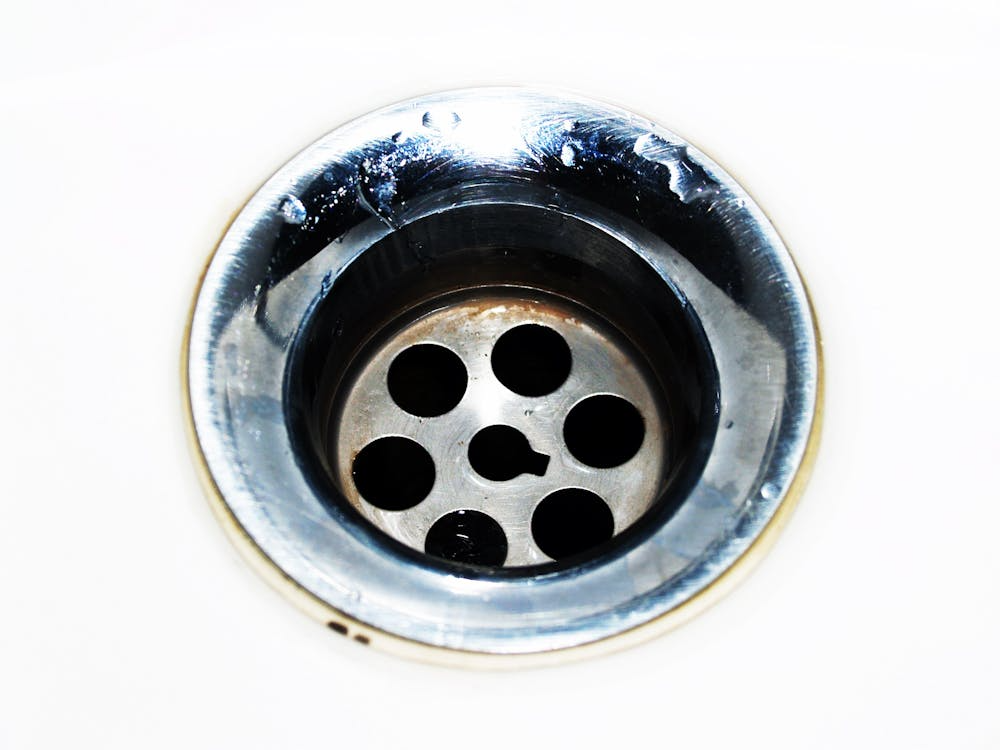
Drain problems don’t just disappear on their own.
That slow bubbling sound. That stinky smell that won’t go away. That puddle happening in your yard that wasn’t there last spring. Something bigger is going on below ground.
And here’s the thing…
The majority of people would grab some drain unblocker and leave it at that. However if the problem persists, that instant solution is not solving anything. It’s only postponing the problem.
Table of Contents
Why Persistent Drain Problems Are Never Random
If you’re a homeowner experiencing ongoing blockages, there’s one thing you should know before we begin – persistent drain problems are rarely, if ever, a fluke. A blockage that continues to reappear in the same place is evidence of an underlying structural or system issue that cannot be resolved with drain cleaner.
Insurance Drain Surveys…Having hard evidence on what’s really going on inside those hidden underground pipes can prove or deny an insurance claim.
Wait for it… 58% of people in the UK confess to putting oil or fat down the sink in kitchens. That’s according to Unblocktober’s 2024 UK drainage habits survey. That one action slowly accumulates within drains over time, creating much more than just an occasional blockage.
The Most Common Causes of Persistent Drain Problems
Ok…what’s CAUSING all these problems to keep happening? Here are the top reasons found in homes…
Grease, Fat, and FOG Build-Up
Fat, oil and grease (commonly known as FOG) is one of the leading causes of household drain blockages.
Whenever cooking grease is poured down the drain it flows through the pipe as a liquid… then solidifies and adheres to the pipe walls. Over time grease builds up creating layers until flow is nearly blocked.
The result?
- Slow-draining sinks and basins
- Gurgling sounds coming from pipework
- Recurring blockages in the exact same spot
- Unpleasant odours rising from the drain
Unclogging it doesn’t fix the problem. Without cleaning or inspecting the pipe properly, FOG will just reaccumulate – typically quicker than the first time.
Tree Root Ingress
One of the biggest causes — and most ignored — source of chronic drain issues in homes, especially older homes.
Tree roots will grow towards water and nutrients in the soil. If your underground pipes have any small cracks or poorly sealed joints, roots will detect them. They will then enter the pipe and continue to expand as they grow, resulting in serious clogs or total collapse.
Trade statistics indicate that more than 30% of properties in the UK that are over 40 years old have tree roots growing through damaged pipe joints. The likelihood of this occurring is much greater where older clay pipes are present within properties.
Tree roots in a sewer system don’t correct themselves. The longer they are ignored, the more serious – and costly – the problem becomes.
Collapsed or Cracked Pipes
Settlement, deterioration, frost heave and traffic loading above ground can lead to cracking, fracturing or collapse of pipes.
Broken pipes don’t always result in crises. They usually lead to slow-developing issues you can easily ignore:
- Water escaping into surrounding soil
- Soil washing back into the pipe and causing blockages
- Dips or soft patches appearing in garden areas
- Persistent foul smells with no obvious visible source
This kind of structural failure cannot be seen from the ground level. It will not be identified in a normal property survey. Often the only way to be sure that damaged pipework is to blame is to have an insurance drain survey carried out using CCTV.
Foreign Objects and Non-Flushable Items
Wet wipes, cotton buds, sanitary products etc. contribute to the majority of repeat sewer blockages within domestic premises.
“Flushable” wipes won’t necessarily disintegrate like toilet paper either. They build up farther down the line where they snag on grimy pipe joints or latch onto FOG deposits creating hard, persistent globs.
The issue snowballs from there. One item may go through just fine. Dozens will not.
Pipe Misalignment and Poor Installation
Occasionally, the culprit behind recurring drain issues isn’t what enters the drain but rather the drain itself.
Improperly fitted or off-angle pipework often creates pockets where debris collects, forming constant blockages that appear to never go away even after plumbing is cleared. Self-done plumbing that did not tie into existing lines correctly can be the cause. Often the issue is found in homes that have had additions or significant renovations done through the years.
Cross connections between foul water drains and surface water drains are also quite prevalent. These can often go completely undetected until they cause a pollution complaint, failed mortgage application or refused insurance drain survey claim.
Why an Insurance Drain Survey Matters More Than You Think
Here’s something that catches many homeowners off guard…
Property surveys do not cover drains. Underground drainage is not covered by standard Level 2 or Level 3 property surveys. Missed defects at purchase are therefore commonplace.
That matters enormously when it comes to insurance.
Buildings insurance policies only insure against sudden accidental damage to drains. They exclude gradual deterioration, lack of maintenance or previously existing problems. Without records to prove that maintenance was carried out, insurers can — and frequently will — reject any claims made.
An insurance drain survey does exactly what it says on the tin. It produces an accurate picture of pipework below ground and sets up an auditable record of maintenance that can be used to substantiate claims in the future. Drainage problems contributed to more than 21% of renegotiated or aborted property transactions in the UK in 2024 according to industry stats. This follows increased due diligence by lenders and insurers. It’s estimated that 1 in every 5 properties in the UK have drain issues that go completely undiagnosed by conventional surveys.
Investing in a CCTV drain survey before problems occur could save you money.
What Happens When the Warning Signs Get Ignored?
Don’t think that neglecting drain issues will save you money. It won’t.
Hairline cracks turn into collapsed drains. Small amounts of root ingress turns into total structural failure. A minor blockage turns into sewage overflowing back up into your property. The price difference between catching the problem early and an emergency call out can be a matter of several thousand pounds (including excavation work).
Another issue is insurance ramifications. Things that are brought up afterwards with no history of maintenance are exponentially more difficult to file a claim on than things that were taken care of head on.
The Big Takeaway
Constant drain issues are evidence of some type of structural problem below ground. Whether you have FOG buildup, tree roots, cracked pipes, or off angle installation – whatever the issue is it will NOT correct itself.
Here’s a quick recap of the main causes to watch for:
- Grease and FOG build-up — a slow accumulation that grows with every meal
- Tree root ingress — particularly dangerous in older properties with clay pipes
- Cracked or collapsed pipes — caused by age, frost, or ground movement
- Non-flushable items — building into stubborn solid blockages over time
- Pipe misalignment — from poor installation or unchecked DIY plumbing
Possibly one of the most sensible things a homeowner can do is to have an insurance drain survey carried out as early as possible. It tells you what lies beneath your feet, it creates a paper trail of the drainage system and it gives you the back up needed to validate insurance claims.
Don’t wait for a backup to take action.
Frequently Asked Questions
What is an insurance drain survey?
An insurance drain survey is a CCTV drain survey conducted by a professional surveyor of property drains/pipework underground. The reason for its performance is to record the condition of drains and sewers for insurance purposes.
How do you know if a drain problem is structural?
When a blockage continually returns to the same place after being cleared several times, there’s probably something wrong with the structure of the drain. This could be caused by root ingress, a collapsed pipe or incorrectly aligned pipework. The only way to be sure is to have a CCTV drain survey carried out.