

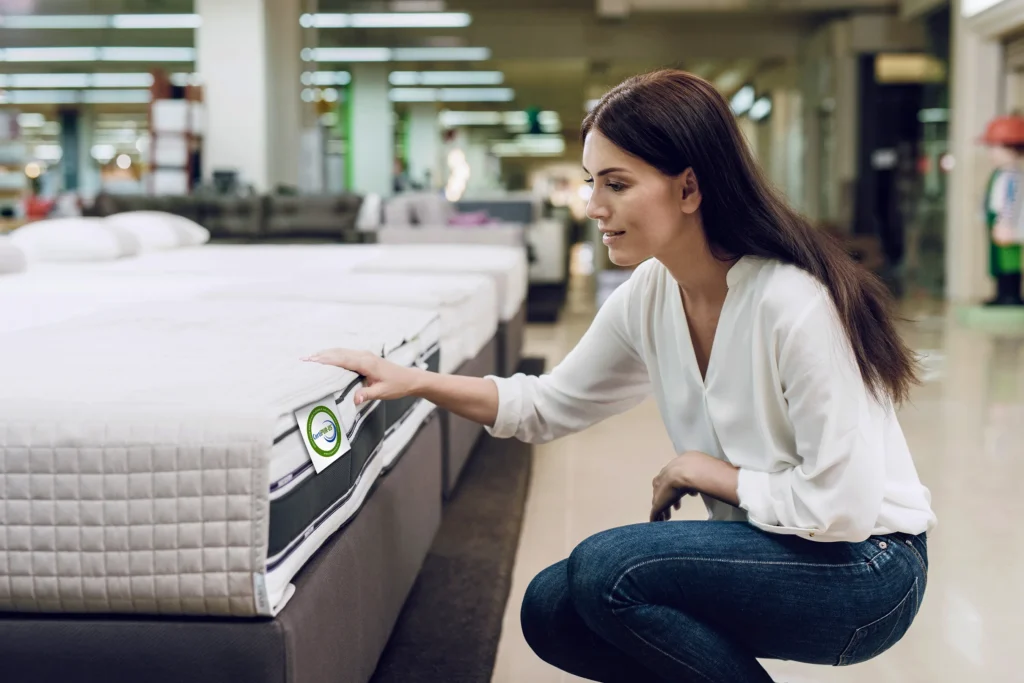
Buying a new mattress is one of those decisions that sounds simple on the surface but quickly becomes overwhelming once you start researching. Walk into any store or open a browser tab and you are immediately hit with a wall of options, firmness ratings, material specs, and competing claims about which type is superior. The truth is there is no single best mattress for everyone. What matters is finding the right type for your specific sleeping habits, body type, and comfort preferences.
Table of Contents
The Two Most Popular Mattress Types Right Now
If you have been researching mattresses lately, you have likely come across memory foam and hybrid models the most. Both are widely recommended, widely reviewed, and widely debated. Understanding what sets them apart is the first step toward making a smart purchase.
Memory foam mattresses are built entirely from foam layers. The top comfort layer uses viscoelastic foam that softens with your body heat and molds to your shape. This gives you that signature sinking, hugging sensation that many sleepers love. It also means very little motion transfer, which is a big plus for couples or light sleepers who wake easily.
Hybrid mattresses take a different approach. They pair foam comfort layers on top with a coil support system underneath. The coils allow for better airflow, more responsive support, and firmer edge stability. The result is a mattress that feels more buoyant and breathable while still offering the pressure relief of foam.
Who Should Choose Memory Foam
Memory foam tends to work best for side sleepers, lighter individuals, and anyone who prioritizes motion isolation. It contours closely to the shoulders and hips, which helps reduce pressure at those key contact points. People with joint pain or who tend to sleep in one position throughout the night often find memory foam particularly comfortable.
The main drawback is heat retention. Traditional memory foam holds warmth, which can be disruptive for hot sleepers. Many modern versions use gel or copper infusions to address this, though sleep experts note the cooling effect of these additives tends to be limited in practice.
Who Should Choose a Hybrid
Hybrid mattresses are a strong choice for back and stomach sleepers, heavier individuals, hot sleepers, and combination sleepers who shift positions during the night. The coil system provides more uniform lift and keeps the spine from sinking too deeply, which matters for spinal alignment. The open structure of coils also promotes natural airflow, keeping the sleep surface cooler than most all-foam options.
High-quality hybrids that use individually pocketed coils and thick foam comfort layers can match or even exceed memory foam in pressure relief, while adding the benefits of bounce and breathability. For anyone upgrading from an older innerspring mattress, a hybrid often feels like the ideal middle ground.
How Long Will Each Type Last
Durability is a practical concern that often gets overlooked in the excitement of buying a new mattress. Memory foam mattresses typically last between six and eight years, with lower-density foam models degrading faster. Hybrid mattresses generally hold up longer, often lasting seven to ten years or more, because the coil system provides structural support that foam alone cannot match.
Rotating your mattress every three to six months and using a proper foundation can extend the life of either type considerably.
Price and Value Considerations
Both types are available across a wide price range. Budget memory foam mattresses can be had for a few hundred dollars, while premium options climb into the thousands. Hybrids tend to cost a bit more on average due to the complexity of their construction, but the price gap has narrowed significantly in recent years.
It is worth spending more on a quality mattress if you can. You spend roughly a third of your life in bed, and the cumulative impact of poor sleep on energy, mood, and physical health is well documented. Think of it as a long-term health investment rather than a furniture purchase.
Making the Final Decision
The best way to approach this decision is to think honestly about how you sleep, whether you share a bed, and what your biggest complaints are about your current mattress. If you wake up hot, you want airflow. If you wake up sore at the hips or shoulders, you need pressure relief. If your partner disturbs you, motion isolation matters most.
For a thorough side-by-side look at how these two options stack up across comfort, cooling, durability, and support, this foam vs hybrid mattress guide breaks down every major factor in clear detail to help you make the most informed choice possible.
Frequently Asked Questions
Is memory foam or a hybrid mattress better for back pain? Both can work well for back pain, but the answer depends on your sleeping position. Back sleepers often benefit from the structured support of a hybrid, which prevents the hips from sinking too deeply. Side sleepers with back pain may prefer memory foam for its close contouring around pressure points. The key is finding a mattress that keeps your spine in a neutral position throughout the night.
Do hybrid mattresses sleep cooler than memory foam? Generally, yes. The coil layer in a hybrid creates airflow that prevents heat from building up the way it can in an all-foam mattress. If temperature regulation is a priority for you, a hybrid is usually the safer bet, especially when paired with breathable cover materials like organic cotton.
How do I know if a mattress is high quality before I buy it? Look at the density of the foam layers, the coil count and gauge in hybrids, and whether the brand offers a meaningful sleep trial. Reputable mattress companies typically offer at least 100 nights to test the mattress in your own home. That trial period is one of the clearest signals that a brand stands behind its product.
Can a hybrid mattress isolate motion as well as memory foam? Standard hybrids transfer slightly more motion than pure memory foam. However, high-end hybrids that use individually pocketed coils and thick foam comfort layers have significantly reduced this gap. If motion isolation is critical, look for a hybrid with a dense memory foam comfort layer on top.
How often should I replace my mattress? Most sleep experts recommend replacing a mattress every seven to ten years, though signs of wear like sagging, uneven surfaces, or waking up with new aches are good indicators that it is time to upgrade regardless of age.