

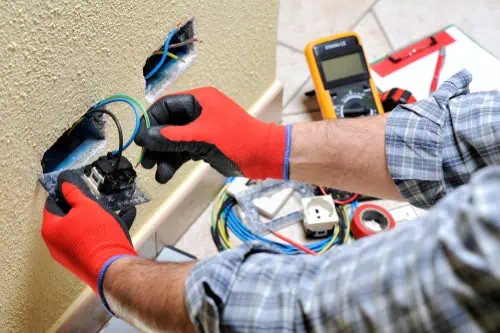
Electricity is one of the most powerful and essential resources in modern life, but it also carries significant risks if not managed properly. Property owners, whether residential or commercial, must understand the importance of electrical safety to protect both people and property. While professional electricians like Dr Electrical are trained to handle complex systems, property owners themselves play a crucial role in maintaining safe environments. Knowing the right safety practices can prevent accidents, reduce repair costs, and ensure compliance with regulations.
Table of Contents
Understanding the Risks of Electricity
Electricity is invisible, which makes it particularly dangerous when safety measures are ignored. Faulty wiring, overloaded circuits, and neglected maintenance can lead to fires, shocks, or even fatalities. Property owners should recognize that electrical systems require regular attention and should never be treated casually. Awareness of the risks is the first step toward creating a safe environment.
Regular Inspections and Maintenance
Routine inspections are essential for identifying potential hazards before they escalate. Property owners should schedule professional inspections at least once a year, especially in older buildings where wiring may be outdated. These inspections can reveal hidden issues such as frayed wires, loose connections, or overloaded panels. Addressing problems early prevents emergencies and ensures that systems remain efficient and safe.
Safe Use of Electrical Appliances
Appliances are a common source of electrical problems. Property owners should ensure that all appliances are used according to manufacturer instructions and are plugged into appropriate outlets. Overloading sockets with multiple devices increases the risk of overheating and fire. Damaged cords should be replaced immediately, and appliances showing signs of malfunction should be serviced or discarded. Simple habits such as unplugging unused devices also contribute to overall safety.
Importance of Grounding and Circuit Protection
Grounding is a critical safety measure that prevents electrical shocks by directing excess electricity safely into the ground. Property owners should confirm that their systems are properly grounded and that ground fault circuit interrupters (GFCIs) are installed in areas prone to moisture, such as kitchens, bathrooms, and outdoor spaces. Circuit breakers and fuses also play a vital role in preventing overloads, and they should be tested regularly to ensure functionality.
Responding to Warning Signs
Electrical systems often provide warning signs before serious problems occur. Flickering lights, buzzing sounds, burning smells, or warm outlets are all indicators that something is wrong. Property owners should never ignore these signs. Immediate action, such as shutting off power and calling a professional electrician, can prevent accidents and costly damage. Recognizing and responding to warning signs is one of the most effective ways to maintain safety.
Avoiding DIY Electrical Work
While do-it-yourself projects can be rewarding in many areas of property maintenance, electrical work is not one of them. Attempting to repair or install electrical systems without proper training is extremely dangerous. Property owners should resist the temptation to handle electrical tasks themselves and instead rely on licensed professionals. This ensures that work is completed safely, correctly, and in compliance with local codes.
Educating Occupants and Employees
In both homes and businesses, everyone who uses the property should be aware of basic electrical safety practices. Teaching family members or employees to avoid overloading outlets, to report unusual electrical behavior, and to respect warning signs creates a culture of safety. Simple education can prevent accidents and reinforce the importance of responsible electrical use.
Conclusion
Electrical safety is not just the responsibility of electricians; property owners must also play an active role in maintaining safe systems. By understanding the risks, scheduling regular inspections, using appliances correctly, ensuring proper grounding, responding to warning signs, avoiding DIY repairs, and educating occupants, property owners can significantly reduce hazards. These practices not only protect lives and property but also contribute to long-term efficiency and cost savings. Ultimately, prioritizing electrical safety is an investment in security, reliability, and peace of mind.