

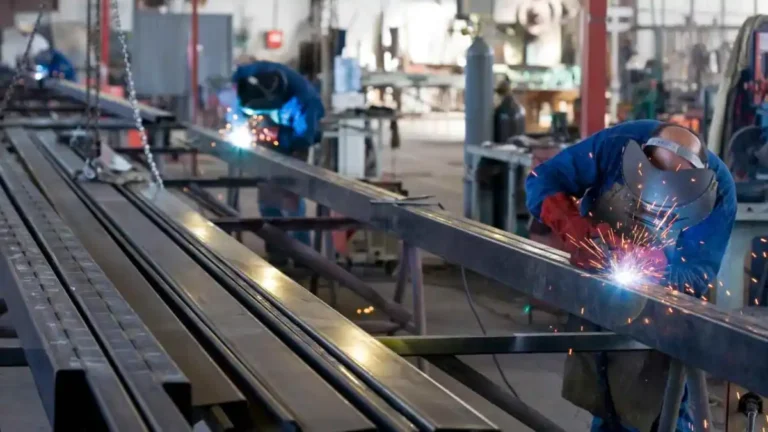
Modern construction is no longer just about building fast-it’s about building smarter. Materials matter. Precision matters. And steel fabrication has become one of the most reliable solutions driving efficiency and durability across projects of all sizes.
From commercial structures to residential frameworks, fabricated steel continues to reshape how construction is approached.
Table of Contents
Strength and Durability That Lasts
Steel is known for its exceptional strength. When fabricated to precise specifications, it becomes even more reliable. Structures built with fabricated steel can withstand heavy loads, harsh weather conditions, and long-term wear without losing integrity.
Unlike traditional materials, steel doesn’t warp, crack, or weaken easily over time. That makes it a dependable choice for projects where longevity is a priority.
Precision and Consistency
One of the biggest advantages of steel fabrication is accuracy. Components are designed and manufactured with exact measurements, ensuring consistency across the entire structure.
This level of precision reduces errors during installation. Less guesswork. Fewer adjustments on-site. The result is a smoother construction process and better overall quality.
Faster Construction Timelines
Time is a critical factor in any construction project. Fabricated steel components are prepared off-site and delivered ready for installation, which significantly reduces on-site work.
This streamlined process speeds up construction timelines without compromising quality. For large-scale projects, that efficiency can make a major difference in meeting deadlines.
Design Flexibility
Steel fabrication allows architects and engineers to push boundaries. Complex designs, unique shapes, and customized structures become achievable without sacrificing strength.
Whether it’s a modern commercial building or a specialized industrial facility, fabricated steel supports creativity while maintaining structural stability.
Cost Efficiency Over Time
While the initial cost of steel fabrication may seem higher in some cases, it often leads to long-term savings. Reduced maintenance, fewer repairs, and extended lifespan all contribute to better value over time.
Additionally, faster construction means lower labor costs and reduced project delays, which further improves overall cost efficiency.
Sustainability and Environmental Benefits
Steel is one of the most recyclable materials in construction. Fabrication processes often use recycled steel, reducing the environmental impact of new builds.
Less waste is generated during production, and any leftover material can typically be reused. For projects aiming to meet sustainability standards, steel fabrication is a strong choice.
Improved Safety Standards
Fabricated steel components are manufactured under controlled conditions, ensuring higher quality and safety standards. This reduces the risk of structural issues during and after construction.
On-site safety also improves, as pre-made components minimize the need for complex adjustments and heavy manual work.
Versatility Across Applications
Steel fabrication isn’t limited to one type of project. It’s used in residential construction, commercial developments, industrial facilities, and infrastructure projects.
This versatility makes it a go-to solution for builders who need a reliable material that adapts to different requirements without compromising performance.
Reduced Maintenance Requirements
Steel structures require less maintenance compared to many traditional building materials. They resist pests, moisture damage, and other common issues that lead to frequent repairs.
Over time, this reduces ongoing costs and keeps structures in better condition with minimal effort.
Reliable Support for Modern Construction Needs
As construction demands continue to evolve, steel fabrication remains a key part of the solution. Working with experienced providers like https://www.metrosteel.com.au/ ensures access to high-quality fabrication services tailored to modern project requirements.
Final Thoughts
Steel fabrication isn’t just a trend-it’s a practical, proven approach to modern construction. It offers strength, efficiency, flexibility, and long-term value all in one.
For builders and developers looking to improve project outcomes, it’s not just an option worth considering-it’s one that’s becoming essential.


